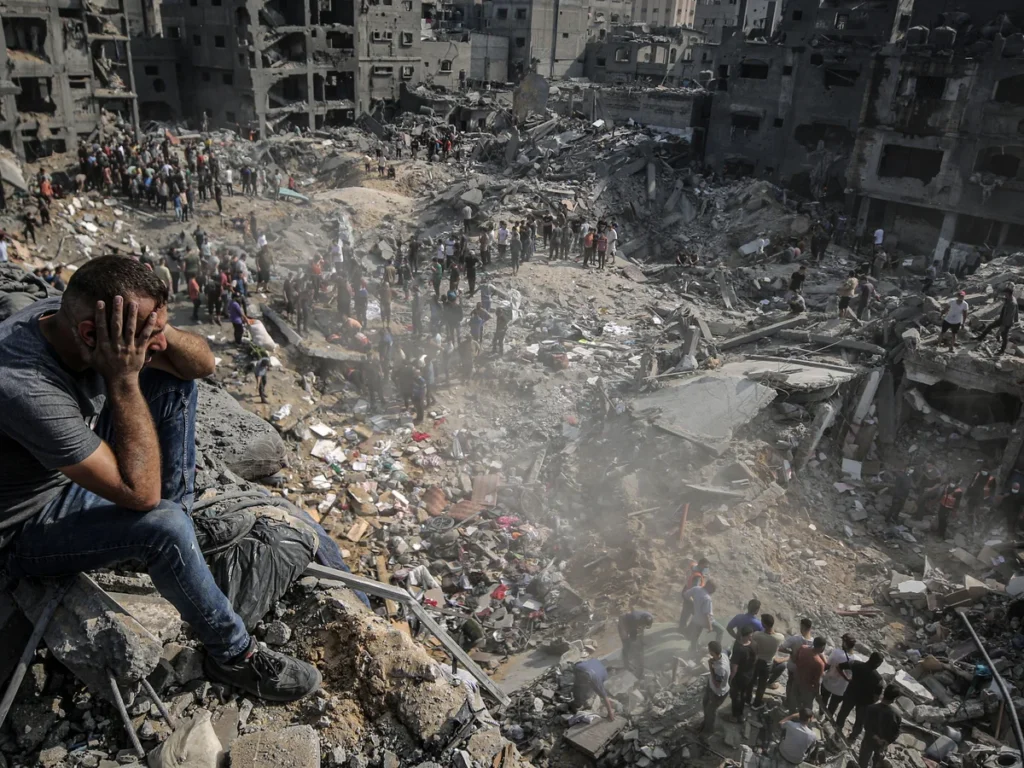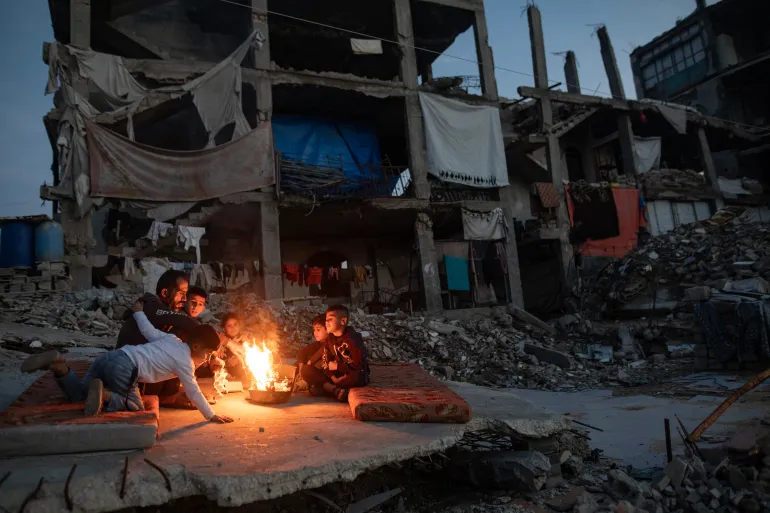
Gaza Herald _Eight days into Ramadan, Gaza’s sense of time is no longer defined by the calendar but by grief and absence. Although the holy month has begun, the territory remains trapped in the aftermath of war. For the third year in a row, residents observe Ramadan while living among destruction, displaced in tents, surrounded by ruined homes, and mourning loved ones recently buried.
Ramadan in Gaza is no longer marked by traditions or celebrations, but by those missing from family gatherings. Streets that were once decorated and lively now remain subdued. While the ceasefire has reduced the intensity of violence, it has not brought reassurance. Instead, it feels like a fragile pause overshadowed by ongoing fear.
Lingering Fear Despite the Ceasefire
Even though a truce has been in place since October, insecurity persists. Casualties have continued to be reported during Ramadan, including in areas once considered relatively safe. According to Gaza’s health authorities, deaths and injuries have not fully stopped, reinforcing the population’s uncertainty.
In parts of northern and eastern Gaza, military restrictions still block thousands of displaced families from returning home. Some houses remain intact but inaccessible, while entire neighborhoods stand empty, visible but unreachable to their owners.
Ziad Deir, who was forced to flee to Nuseirat camp, says Ramadan no longer feels the same. Although the bombardment has lessened, the emotional toll remains. Friends who once shared Ramadan nights are no longer there, and communal meals have been replaced by solitude inside cramped shelters.
Life in Tents Instead of Homes
In central Gaza, Umm Mohammed al-Shafie prepares a simple meal outside her tent. She says this Ramadan feels especially painful because she is spending it far from her home in Jabalia. Living in a tent has stripped away the comfort and dignity she once associated with the holy month.
The loss of close family members has deepened her grief. Ramadan, once defined by family gatherings and social connection, has become a time of patience and endurance. Even traditional greetings carry a quiet sadness, as nearly every household bears its own tragedy.
Markets Without Buyers
Although markets have partially reopened, most people cannot afford basic goods. Unemployment remains widespread, and many families have lost their livelihoods.
Fouad Hijazi, displaced from Gaza City, says his family now depends on charitable food distributions for iftar. With no income and rising prices, survival has become their primary concern. Shortages of cooking gas have made daily life even more difficult, forcing many families to rely on improvised methods to prepare meals.
A Month Without Its Former Joy
Before the war, Ramadan nights in Gaza were vibrant, filled with lights, gatherings, and shared traditions. Today, daily priorities focus on survival, finding water, securing medicine, or seeking safer shelter.
As Ramadan reaches its eighth day, it arrives burdened by years of war and hardship. Despite everything, Gaza’s residents continue to fast and observe their religious practices, holding on to faith while carrying the weight of immense loss.