
Gaza Herald_ Israeli political and human rights sources say authorities in Tel Aviv have expressed surprise at the scale of Palestinians seeking to return to the Gaza Strip, estimated at roughly 80,000 people, despite the vast destruction left by months of war.
According to Israeli media reports and testimonies from some returnees, individuals attempting to re-enter Gaza have faced what were described as “harsh punitive measures.” Among the most serious allegations are claims that some were offered money to return to Egypt instead of continuing into Gaza or were pressured to collaborate with Israeli authorities in exchange for facilitation.
The reported measures have triggered legal petitions inside Israel and intensified scrutiny over the management of crossings under the current ceasefire framework.
Legal Intervention by Israeli Rights Groups
The legal advocacy organizations Adalah (The Legal Center for Arab Minority Rights in Israel) and Gisha submitted urgent appeals to Israeli Defense Minister Israel Katz, Military Advocate General Col. Eli Labertov, and Government Legal Adviser Gali Baharav-Miara.
In a letter signed by attorneys Mohammad Awad and Mona Haddad, the groups demanded that the Israeli army immediately halt what they described as abusive treatment of Palestinians seeking to return to Gaza.
“The purpose of abusing returnees is to deter additional Palestinians from going back to the Strip,” the letter stated.
The organizations argued that if confirmed, such conduct would violate Israel’s obligations under international law. They cited Article 13 of the Universal Declaration of Human Rights, which affirms that “everyone has the right to leave any country, including his own, and to return to his country.” They also referenced the International Covenant on Civil and Political Rights, the Geneva Conventions, the Convention on the Suppression of the Crime of Apartheid, and the Rome Statute.
The appeal places the issue within a broader legal debate about freedom of movement, treatment of civilians in conflict zones, and the balance between security screening and human dignity.
Allegations of Forced Detention and Intimidation
Testimonies reported in Israeli and international outlets suggest that some returnees were detained for extended security questioning as a condition of passage.
Accounts describe blindfolding, handcuffing, verbal threats, invasive searches, and prolonged waiting periods. Some testimonies allege that armed Palestinian groups temporarily held individuals said to be operating in coordination with Israeli forces before being transferred to Israeli military checkpoints.
According to the lawyers behind the petition, the pattern of reported conduct indicates more than routine security screening. They argue that it reflects an attempt to discourage further returns through intimidation.
Israeli authorities have consistently stated that security vetting is necessary to prevent the movement of armed operatives and to protect Israeli civilians. However, rights groups contend that security procedures must still comply with international humanitarian and human rights standards.
Rafah Crossing and Political Tensions
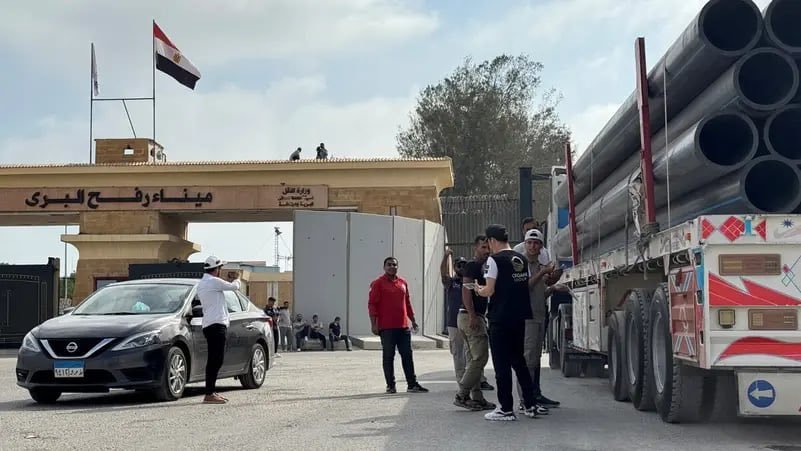
The Rafah Crossing reopened after a prolonged closure, permitting limited movement in both directions under the second phase of a ceasefire arrangement announced by U.S. President Donald Trump.
Reports indicate that Israel sought to structure the arrangement so that departures from Gaza would exceed returns. Egyptian officials reportedly rejected that proposal, viewing it as a potential pathway toward institutionalizing displacement, and insisted that the number of those leaving and returning remain equal.
According to the European monitoring mission operating at the crossing, 284 individuals had passed through as of last Sunday. Approximately half traveled to Egypt for urgent medical treatment, while the remainder entered Gaza.
The political sensitivity surrounding return reflects broader regional anxieties about permanent displacement and demographic engineering in the aftermath of war.
A Six-Stage Return Process
Returnees describe what they call a six-stage journey: passing through Egyptian authorities, the Palestinian Authority, European Union representatives, members of what they refer to as the “Abu Shabab militia,” and finally Israeli soldiers.
The route spans roughly 15 kilometers, beginning at Rafah and ending at Nasser Hospital in Khan Younis. Testimonies indicate that the journey can last 24 hours or more due to multiple security checks, questioning, restrictions on personal belongings and cash, and extended delays.
According to accounts published by the Israeli newspaper Haaretz, buses carrying returnees travel toward an Israeli military checkpoint located several kilometers from Salah al-Din Road. Before reaching it, passengers are reportedly stopped by members of the Abu Shabab militia, which Palestinian sources describe as an armed group operating with Israeli backing.
An Israeli security source confirmed to the newspaper that militia members accompany Gazans entering the Strip, though the precise nature of coordination remains disputed.
Blindfolds, Confiscations, and Alleged Coercion
The UN Human Rights Office has reportedly gathered evidence that some returnees were handcuffed and blindfolded during portions of the process. Testimonies describe threats, invasive searches, and alleged confiscation of personal property and money.
At the Israeli military checkpoint referred to by the army as “Nekaz Regavim”—passage can reportedly take several hours. A longstanding Israeli military base exists in the vicinity.
Some returnees told UN representatives that they were denied access to medical treatment or restroom facilities while detained.
Among the most controversial allegations are claims that individuals were asked whether they would accept money to return to Egypt rather than proceed into Gaza. Others reported being offered financial incentives in exchange for agreeing to become informants for Israeli authorities.
Israeli officials have not publicly confirmed these specific allegations. If substantiated, they would raise significant legal and ethical concerns.
The Broader Political Context
The reported shock within Israeli political circles at the scale of returnees underscores a larger dynamic: despite extensive destruction, many Palestinians continue to seek return to Gaza.
For some, return represents attachment to land, family, and identity. For others, it reflects rejection of displacement and a desire to prevent permanent exile.
The debate intersects with longstanding regional disputes over forced migration, voluntary relocation, and the rights of displaced populations in wartime.
Human rights advocates argue that any process governing return must prioritize dignity, proportional security procedures, and compliance with international law. Israeli authorities maintain that screening and restrictions are driven by legitimate security concerns following months of hostilities.
Legal and International Implications
The controversy surrounding the treatment of returnees is likely to intensify as crossings continue under ceasefire arrangements.
Key questions remain:
- What constitutes lawful security screening in a conflict environment?
- At what point do deterrence measures violate international norms?
- How should humanitarian corridors operate when political negotiations shape their terms?
As more testimonies emerge, legal institutions inside Israel and international bodies may face growing pressure to clarify standards and ensure oversight.
At the heart of the issue lies a fundamental tension between security policy and civilian rights—one that will likely persist as long as movement in and out of Gaza remains tightly controlled and politically charged.

