📅 February 10, 2026
Gaza Herald_ What is happening in Gaza today exposes one of the most cynical deceptions of this war. While markets display chocolates, biscuits, coffee, and other non-essential goods, Gaza’s sick and wounded are quietly pushed toward death without medicine, treatment, or relief. This contradiction is not accidental. It is a calculated narrative designed to convince the world that Gaza’s humanitarian crisis has ended, while, in reality, a slower and more silent form of annihilation is unfolding.
Luxury Goods on Shelves, Medicine Nowhere to Be Found
Despite the visible presence of consumer goods in Gaza’s markets, even the most basic illnesses have become life-threatening. Government hospitals, UN-run clinics, private facilities, and pharmacies alike suffer from severe shortages of essential medications. When drugs are available, their prices are often far beyond the reach of families who have already lost everything.
A minor infection or chronic condition can now set a Gazan citizen on a path of prolonged pain, deterioration, and despair, simply because treatment no longer exists.
Hospitals Operating Without Essentials
Murad G., a nurse at Gaza’s Al-Shifa Hospital, describes a devastating lack of basic medical supplies, including bandages and wound dressings. Medical staff are forced to improvise with makeshift alternatives just to keep services running for patients and the injured.
According to Murad, the occupation deliberately deprives hospitals of medicines and equipment while allowing markets to flood with overpriced non-essentials. “It’s meant to suggest that the humanitarian crisis is over,” he explains, “but in truth, this is a continuation of the crime, starvation, medical deprivation, and slow killing through the collapse of the healthcare system.”
He adds that while conditions during the war were already dire, the current situation is even worse. “It’s a comparison between something bad and something far worse,” he says, stressing that denying treatment to patients and the wounded is now one of the clearest tools of continued genocide.
Empty Clinics and Broken Treatment Routines
The crisis is painfully clear for elderly patients like Abu Mohammad, who relies on regular medication for chronic illnesses such as diabetes and high blood pressure. Each visit to the UN clinic near his home in Nuseirat refugee camp ends the same way: empty pharmacy shelves and no medication.
Due to restrictions imposed on aid entry, thousands of patients have been cut off from the free, regular treatments they once depended on. “Getting medicine has become a wish,” Abu Mohammad says. “We go again and again, and it’s not there. Our health keeps getting worse because we can’t take our medication consistently.”
Even those who can afford to buy medicine privately often find it unavailable, or priced at several times its original cost.
When Medicine Becomes a Luxury
Gaza’s Ministry of Health recently issued a grave warning, announcing that the healthcare system is on the brink of total collapse after two years of genocide. Remaining hospitals, the ministry said, have effectively become forced waiting zones, unable to provide proper care to the thousands who depend on them.
According to official data:
•46% of essential medicines are completely out of stock
•66% of medical consumables are depleted
•84% of laboratory and blood bank supplies are unavailable
Cancer care, blood disorders, surgery, intensive care, and primary healthcare are among the most severely affected services. Even basic painkillers have become a “luxury” that many patients facing death can no longer access.
Healthcare Paralysis and a Silent Death Toll
The crisis extends beyond medication shortages to include the absence of surgical tools, laboratory materials, and blood transfusion supplies, paralyzing entire hospital departments. As a result, thousands of patients are left waiting indefinitely, their fates uncertain.
The Ministry of Health warns that what is happening amounts to a form of “medical genocide,” one that threatens the most vulnerable and makes any future recovery nearly impossible.
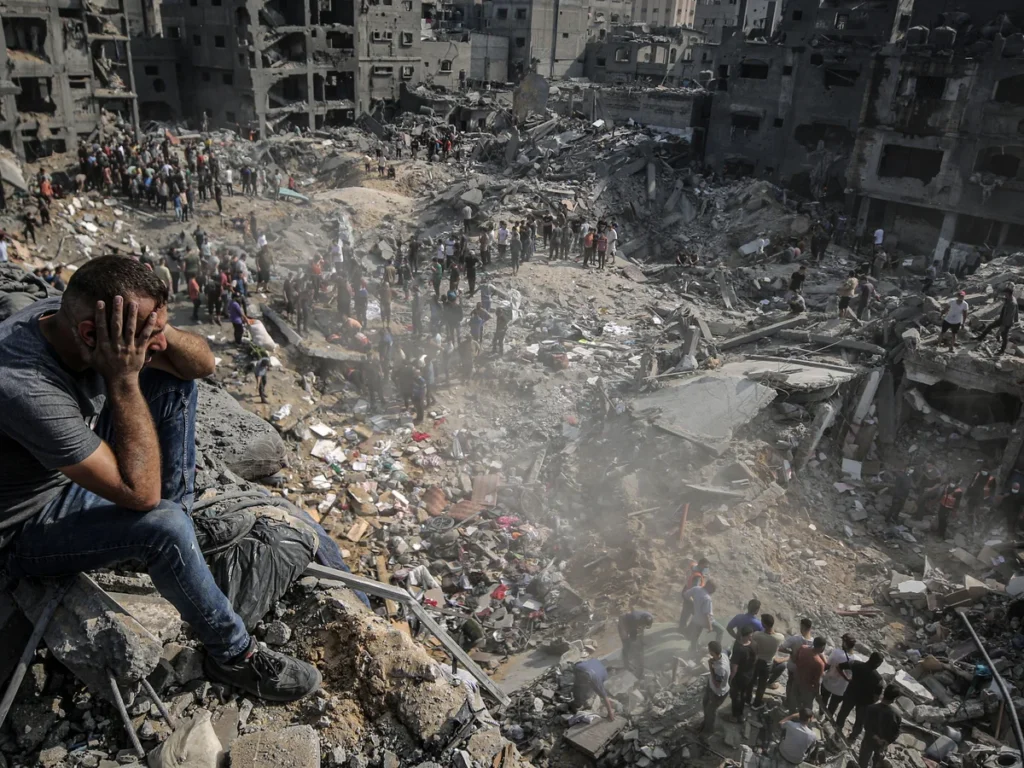
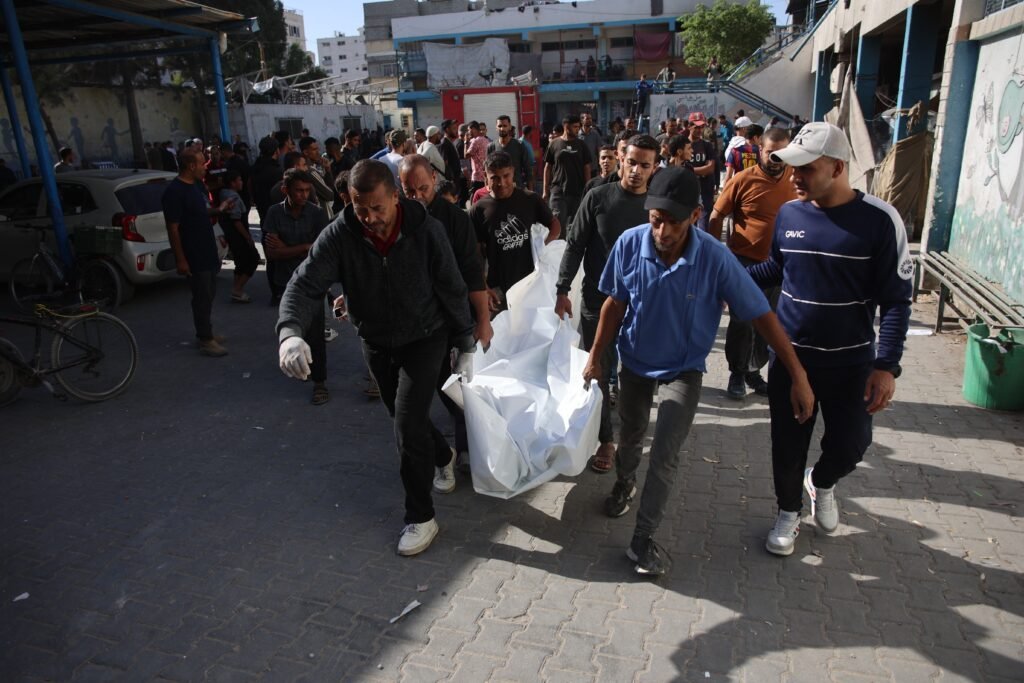
In Gaza, death no longer arrives only through bombs and bullets. It comes quietly, through empty pharmacies, silent hospital corridors, and untreated illnesses that should never have been fatal. The presence of luxury goods in markets is being used as a cover—a visual lie masking a brutal truth: genocide has simply changed its form. As long as Palestinians are denied medicine, care, and the right to heal, the killing continues without noise. The question is no longer whether genocide is happening, but how long the world will allow it to persist, before Palestinians in Gaza are granted the most basic human right of all: the right to live.