Gaza Herald _What is happening at the Rafah crossing is not a humanitarian breakthrough, but a carefully staged illusion of relief. Behind the language of “reopening” and “medical evacuations” lies a system designed to remind Palestinians that even movement is a privilege controlled by force. Every return to Gaza is filtered through humiliation, delay, and fear, while every departure for treatment is rationed as if life itself were a bargaining chip. In this grim reality, Rafah has become less a gateway than a checkpoint of power, exposing how control, not care, continues to shape Palestinian existence even under the shadow of a so-called ceasefire.
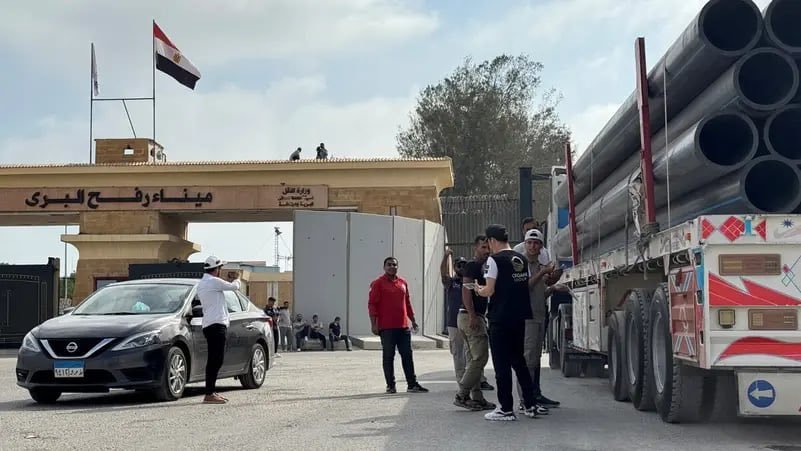
The partial reopening of the Rafah crossing was presented as a humanitarian step, but events on the ground tell a different story. What has unfolded is not a moment of relief, but a tightly managed process of control, humiliation, and delay, taking place under ongoing Israeli attacks. As a small number of Palestinians return home and a handful of patients are allowed to leave for treatment abroad, Gaza remains trapped between siege and violence, even under the banner of a so-called ceasefire.
Exhausting Returns Through a Narrow Gate
Twenty-five Palestinians have entered Gaza through Rafah in the latest group permitted to return since the crossing’s highly restricted reopening. This marks only the third such group since limited movement was allowed. Those returning described a long and draining journey, dominated by invasive Israeli security procedures and degrading treatment.
The group arrived in Gaza around 3 am local time, but only after spending more than 20 hours in transit from the Egyptian city of El Arish. Buses eventually transported them to Nasser Hospital in Khan Younis, where exhaustion and emotion were visible on every face.
Returnees spoke of repeated interrogations, insults, and prolonged security checks imposed by Israeli forces. For many, the physical fatigue was matched by the psychological weight of crossing a border that has become an instrument of punishment rather than passage.
Homecoming Marked by Devastation
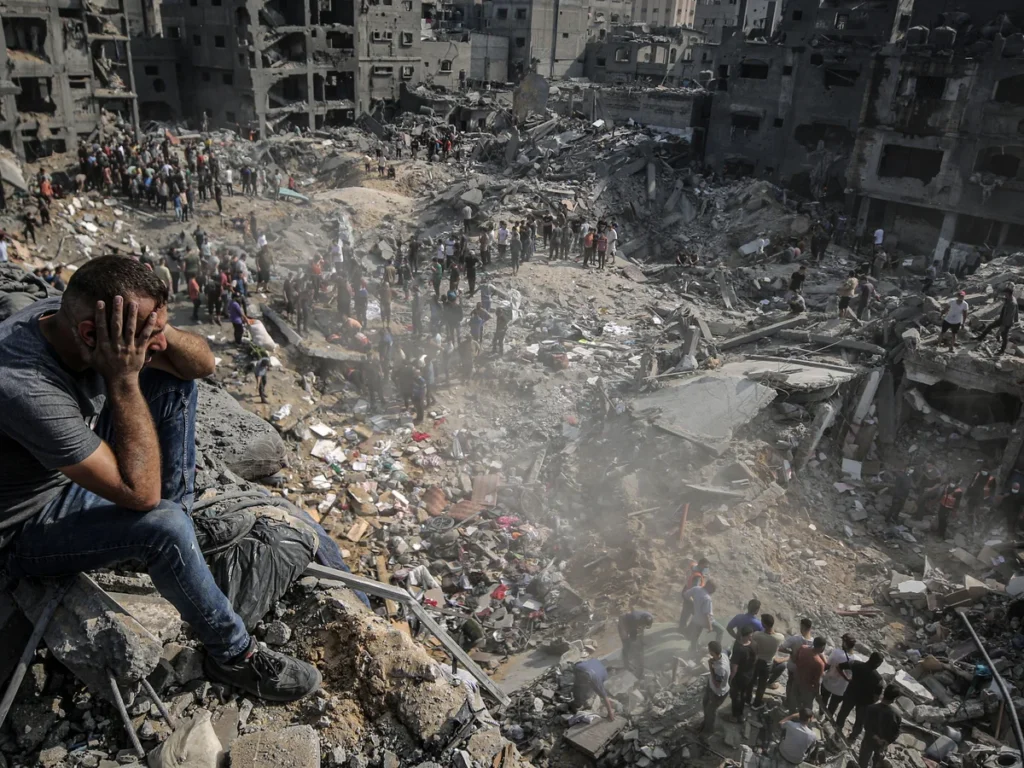
Scenes of reunion unfolded as families embraced loved ones they had not seen for months or longer. But joy was inseparable from shock. Many returnees were confronted, for the first time, with the scale of destruction inflicted on their homes and neighborhoods.
One woman described the moment as an emotional contradiction: relief at being reunited with family, and grief at witnessing what had been done to Gaza. She explained that while life abroad had been safe and comfortable, it never felt like home. Gaza, despite everything, remained the only place where she thought she belonged.
Patients Sent to the Border, Needs Left Behind
Hours after the returnees arrived, thirteen Palestinian patients were transported toward the Rafah crossing to seek urgent medical care abroad. They were accompanied by family members and international health officials, marking yet another tightly controlled transfer under Israeli oversight.
Families had received late-night calls instructing them to prepare for evacuation, following a brief suspension of coordination by Israeli authorities that was later reversed. Even these limited medical transfers remain subject to sudden interruption.
The number of patients allowed to leave falls dramatically short of Gaza’s needs. Tens of thousands require specialized treatment unavailable inside the Strip, yet only a fraction have been permitted to cross since Rafah’s partial reopening.
A Crossing Turned Into a Tool of Domination
Rafah, the only gateway in or out of Gaza for most of its population, was closed for the majority of the war. Its partial reopening was framed as part of a ceasefire arrangement, allowing returning Palestinians and medical evacuations under strict conditions.
In practice, only those who previously managed to leave Gaza are allowed to return. Movement in both directions is subjected to extreme vetting that many Palestinians describe as abusive and deliberately humiliating.
Women who crossed earlier recounted being blindfolded, handcuffed, interrogated, and subjected to invasive body searches. Human rights advocates have warned that these measures have stripped the crossing of any humanitarian character, transforming it into a mechanism of control rather than relief.
Medical Evacuations at a Crushingly Slow Pace
The pace of medical evacuations remains dangerously slow. While initial agreements spoke of evacuating dozens of patients daily, only a few dozen have been transferred in total since the reopening.
At the current rate, evacuating all patients in need of treatment abroad would take years, time that many simply do not have. For those suffering from severe injuries, cancer, organ failure, or complex trauma, delays are often fatal.
Gaza’s health system has been systematically destroyed, with dozens of hospitals forced out of service and thousands of medical workers killed. Evacuations are no substitute for a functioning healthcare system, yet even this limited lifeline is being rationed.
Attacks Continue Despite the “Ceasefire”
As these movements took place in southern Gaza, Israeli attacks continued across the Strip. A Palestinian man was killed in Bani Suheila, east of Khan Younis, as Israeli forces carried out ongoing operations despite claims of a ceasefire.
Air strikes were reported east of Deir al-Balah and Khan Younis, alongside artillery fire and gunfire targeting eastern Gaza City. In neighborhoods near Israeli-controlled zones, residents remain effectively trapped, forced to choose between staying under threat or being displaced once again.
Movement Without Freedom
What is happening at Rafah is not a reopening in any meaningful sense. It is a narrow, conditional opening governed by coercion, delay, and humiliation, unfolding amid continued military violence. Return is permitted but punished. Treatment is allowed but rationed. Life moves, but only within the confines imposed by occupation.
As long as crossings are used to control rather than protect, and as long as Gaza remains under attack even during proclaimed ceasefires, every journey through Rafah will remain a reminder that movement alone does not equal freedom.