Gaza Herald —When Israel announced the reopening of Gaza’s Rafah crossing after nearly two years of closure, international headlines framed the move as a humanitarian breakthrough. For Palestinians in Gaza, however, the reopening feels less like relief and more like a carefully staged gesture , one that restores appearances while leaving the reality of confinement unchanged.
A Crossing Without Sovereignty
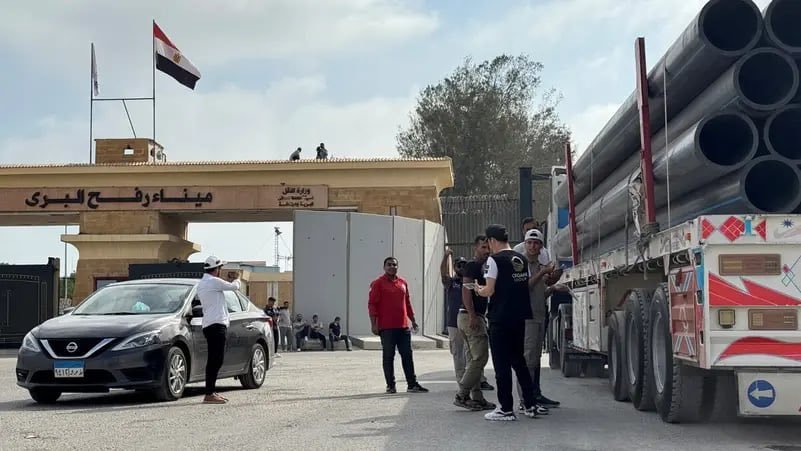
Rafah, Gaza’s only border crossing that does not directly lead into Israel, resumed limited operations this week under a US-brokered ceasefire agreement reached in October. While Egyptian and European representatives are present on the ground, Israel continues to exercise decisive authority over who may leave or enter the Strip, subjecting Palestinians to intensive security screening.
The European Union Border Assistance Mission (EUBAM) now administers the Palestinian side of the crossing, forwarding passenger lists to Egyptian authorities, who coordinate approvals through Israeli security channels. This multilayered process transforms what should be a civilian crossing into another mechanism of control.
Movement Restricted by Design
The scale of movement through Rafah remains sharply limited. On the first day of operations, only around 50 Palestinians were permitted to cross in each direction. Israel has also established a military checkpoint outside the crossing, where Palestinians returning from Egypt are subjected to further inspections before re-entering Gaza.
Despite the reopening, journalists remain barred, and there has been no clarity on whether movement caps will be eased. Aid groups warn that the restrictions appear designed to manage international pressure rather than meaningfully restore freedom of movement.
Medical Evacuations Still Falling Short
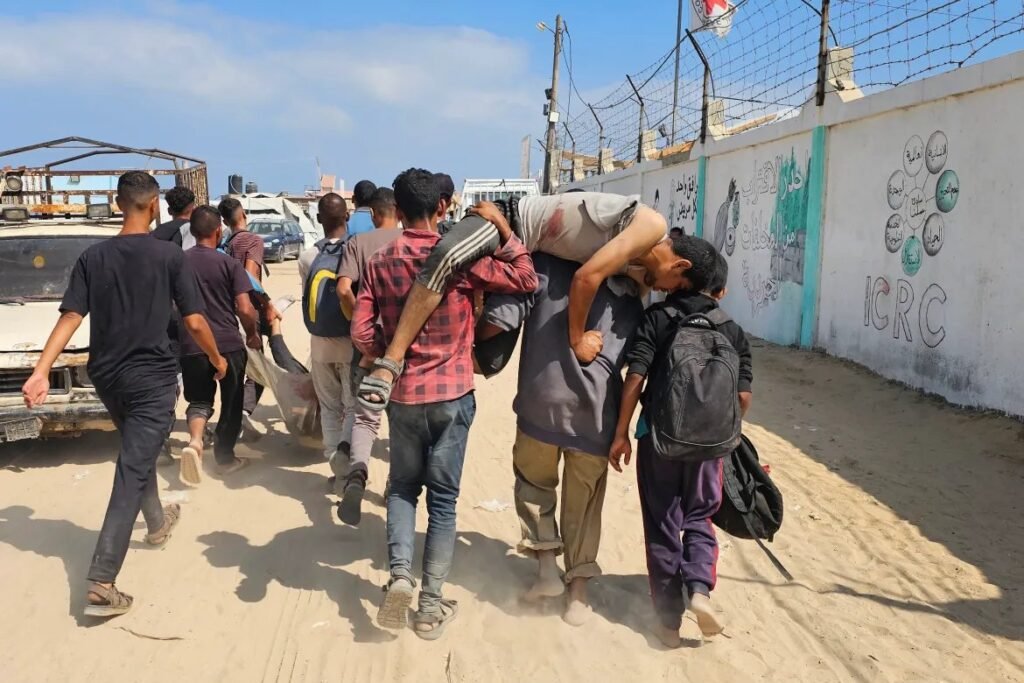
The reopening comes months after Israel seized control of Rafah in May 2024, effectively sealing Gaza’s southern border and cutting off a vital route for medical evacuations. Since then, Gaza’s healthcare system ,already devastated by sustained bombardment, has been overwhelmed.
According to United Nations estimates, tens of thousands of Palestinians require urgent medical treatment abroad. Yet only a limited number have been allowed to leave Gaza, with many dying while waiting for permission. Humanitarian organizations say the current evacuation pace barely addresses the scale of the crisis.
Displacement Without Return
Palestinian officials estimate that around 100,000 Palestinians have fled Gaza since the war began, most during its earliest and most violent months. For many, Rafah represents not a return to normal life but a one-way exit, as destroyed neighborhoods, ongoing bombardment, and restrictive policies make return uncertain or impossible.
Security Over Humanity
Israel has framed the tight controls at Rafah as necessary security measures. Yet critics argue that these policies collectively function as an extension of collective punishment, reinforcing Gaza’s isolation while shifting responsibility onto international monitors and neighboring states.
By retaining final approval authority over movement, Israel continues to dictate the terms of Gaza’s connection to the outside world, even under the banner of a ceasefire.
Conclusion: A Lifeline That Stops Short
Rafah’s reopening offers a narrow opening in a wall that remains firmly in place. While some lives may be saved through limited evacuations, the broader system of confinement endures. True humanitarian access cannot exist under military dominance, nor can freedom be rationed and called progress. Until Gaza’s borders are opened without political and security coercion, Rafah will remain less a gateway to recovery than a reminder of how control has been repackaged as compassion.