Gaza Herald _ As Gaza’s health system struggles to survive under relentless destruction, Israel has moved to strip the enclave of one of its last remaining medical lifelines. The forced expulsion of Doctors Without Borders (Médecins Sans Frontières, MSF) is not a bureaucratic dispute; it is a political decision with life-and-death consequences, one that accelerates the collapse of healthcare for hundreds of thousands of Palestinians already living on the brink.
Israeli authorities have ordered Doctors Without Borders to end all humanitarian operations in the Gaza Strip and leave the territory by February 28, a decision that threatens to deprive hundreds of thousands of Palestinians of essential medical care amid a near-total breakdown of the health system.
The decision, issued by Israel’s Ministry of Diaspora Affairs and Combating Antisemitism, cites MSF’s alleged failure to submit full lists of its Palestinian staff, an increasingly common requirement imposed on humanitarian organizations operating in Gaza over recent months.
In a statement, the ministry said it was moving to terminate MSF’s activities due to what it described as “non-compliance with regulatory requirements,” warning that continued refusal would result in a complete shutdown of the organization’s work and the removal of its teams from Gaza.
MSF: Part of a Broader Campaign to Silence Humanitarian Work
Doctors Without Borders rejected Israel’s justification, describing the move as part of a broader campaign of pressure, intimidation, and defamation aimed at humanitarian organizations operating in Gaza and the occupied West Bank.
The organization said its legal registration with Israeli authorities has been invalid since early January 2026, meaning it will be forced to suspend operations by early March unless the decision is reversed.
MSF warned that shutting down its work would deprive nearly half a million Palestinians of access to healthcare and clean water at a time when Gaza faces severe shortages of medicines, medical supplies, and specialized staff.
The organization denied claims of non-cooperation, stating that it spent months attempting to open dialogue with Israeli authorities to renew its registration and expressed willingness to share limited information under strict guarantees to protect staff safety.
Fears for Staff Safety
MSF said it informed Israeli authorities on January 23 of its conditional readiness to provide partial staff lists as an exceptional measure, on the condition that the information not be used beyond administrative purposes.
However, the organization said it received no concrete assurances regarding the safety of its workers or an end to incitement and smear campaigns against humanitarian personnel, prompting it to withhold staff data altogether.
MSF emphasized that the imposed condition forces humanitarian organizations into an impossible choice: expose their staff to serious security risks or deny patients their fundamental right to medical care.
A Pattern of Escalation Against Humanitarian Groups
The decision comes amid an ongoing Israeli escalation against humanitarian organizations in Gaza over the past two years. Israeli authorities have imposed sweeping restrictions on aid entry, delayed international staff permits, and blocked the import of medical equipment.
Similar measures were previously taken against UNRWA, including suspensions of its operations in several areas and unsubstantiated accusations against staff, resulting in reduced services for millions of Palestinian refugees.
Since late 2024, Israel has intensified its policy of “expanded security vetting” for humanitarian workers, tying permits to the submission of detailed personal data—a practice international organizations have rejected as a violation of humanitarian neutrality and independence.
These measures coincided with sharp reductions in aid trucks entering Gaza and prolonged closures of key crossings, further worsening the humanitarian and health crisis.
Numbers That Reflect the Medical Role at Risk
According to MSF data, its teams treated more than 100,000 serious injuries in 2025, performed 22,700 surgical operations, conducted nearly 800,000 medical consultations, and assisted in over 10,000 births.
The organization also provided tens of thousands of mental health support sessions, supported six public hospitals, operated two field hospitals, ran multiple health centers and mobile clinics, and managed a therapeutic feeding center.
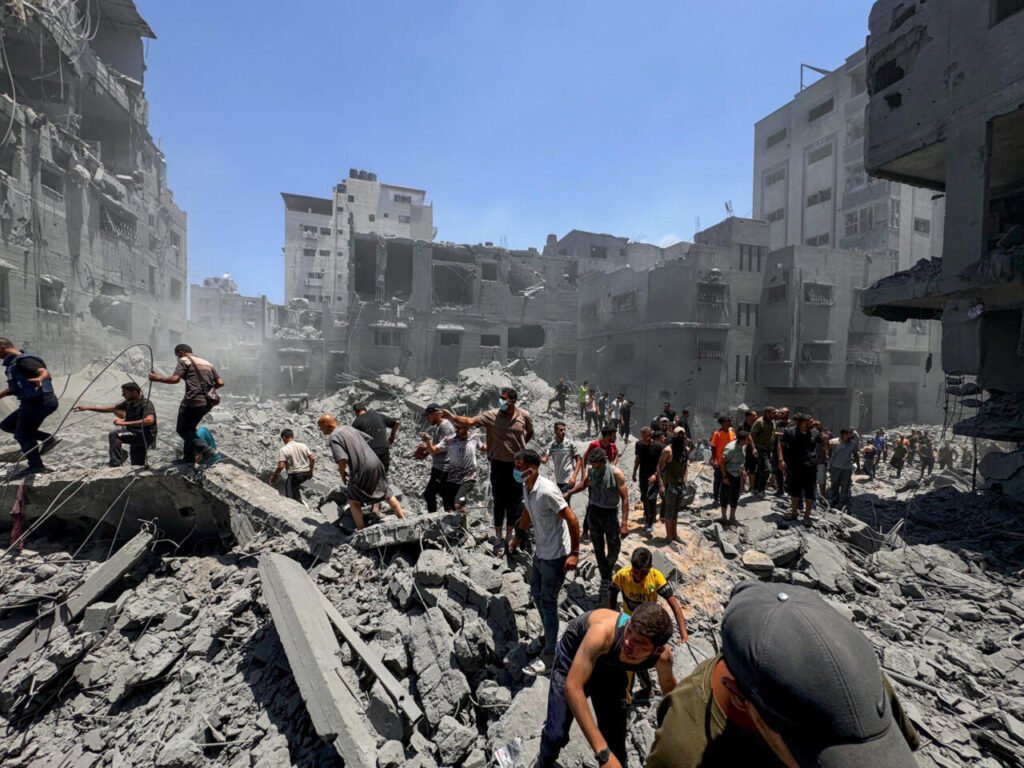
This comes as UN reports confirm that most hospitals in Gaza have been destroyed or disabled, with more than 70 percent of health facilities out of service due to bombing, fuel shortages, and lack of supplies.
MSF said it continues to explore all possible avenues to maintain its humanitarian response, despite restrictions on supplies and international staff entry, and urged Israeli authorities to reverse the decision.
Forcing Doctors Without Borders out of Gaza is not about compliance or paperwork; it is about control. At a moment when Gaza’s health system is barely breathing, Israel’s decision removes one of the few organizations still capable of saving lives at scale. If carried through, this move will not only deepen the medical catastrophe but further expose how humanitarian access itself has become a battleground—where patients pay the price for political calculations, and survival is treated as a negotiable privilege rather than a human right.