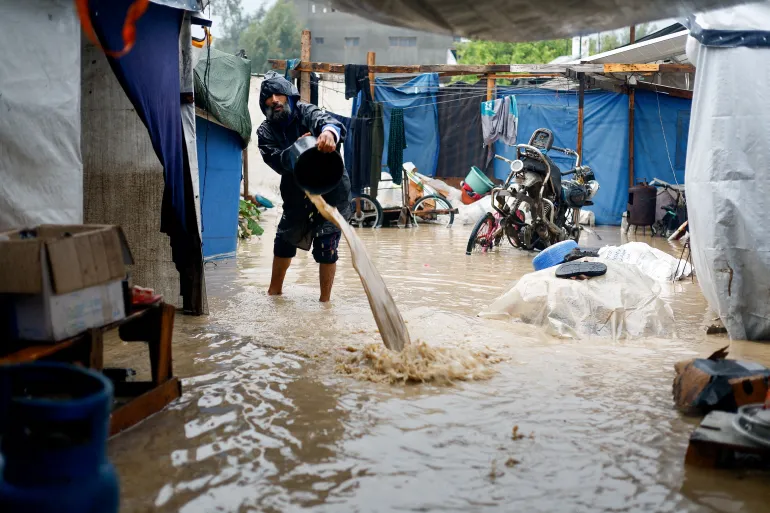
Gaza Herald_ As winter rains swept across the Gaza Strip, vast areas of displacement camps were submerged in floodwaters, turning already fragile tents into waterlogged traps for thousands of families who have nowhere else to go. In Al-Mawasi, one of the largest hubs for displaced Palestinians, tents were swallowed by ankle-deep water as rain pooled across unpaved ground, forming stagnant swamps that spread cold, disease, and despair.
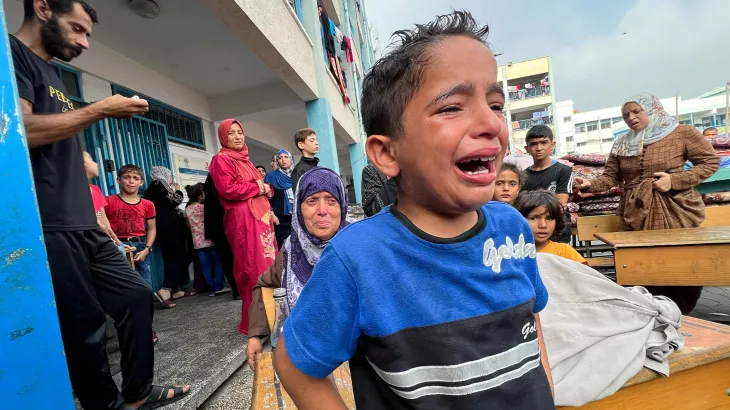
For families who fled Israeli bombardment only to find themselves living under thin sheets of fabric, the rain was not a passing inconvenience but a direct threat to survival. Water poured into tents from every direction, soaking mattresses, blankets, and clothing within hours. Children waded through muddy pools barefoot, while parents struggled helplessly to lift what little they owned onto makeshift platforms that quickly collapsed.
With drainage systems destroyed and municipalities stripped of fuel and equipment, floodwaters remained trapped between rows of tents. Entire camps were transformed into lakes, leaving residents shivering through the night as temperatures dropped. Many tents, already torn and weakened by months of exposure, collapsed under the weight of rain and wind, forcing families into the open or toward nearby ruins.
Displaced residents described waking to find their shelters submerged, their sleeping areas floating, and their food supplies ruined. For some, the choice was impossible: remain inside a flooded tent or risk sheltering near unstable, bomb-damaged buildings that could collapse at any moment. Either option carried the threat of death.
The flooding crisis has been intensified by Israel’s continued blockade, which prevents the entry of adequate tents, tarps, flooring, and weatherproof materials. Aid organizations have repeatedly warned that the number and quality of shelters allowed into Gaza fall dramatically short of what is required, especially during winter. What tents have entered are often unsuitable for prolonged use, offering no insulation and little resistance to rain.
This latest wave of flooding comes after repeated warnings from humanitarian agencies that Gaza’s displaced population is being forced to endure winter conditions without protection. With no reconstruction underway and no safe alternatives available, tens of thousands of families remain exposed to rain, cold, and disease, trapped in camps designed for temporary survival but stretched into permanent misery.
In Gaza, the drowning of tents is not a natural disaster. It is the predictable outcome of siege, destruction, and deliberate deprivation. As rainwater fills the camps and shelters collapse, the suffering of the displaced continues, largely unseen, unanswered, and allowed to worsen with every storm.