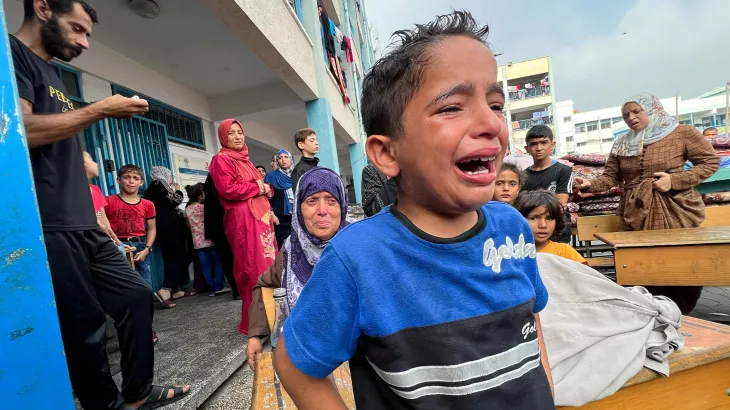
Gaza Herald_ Bassem Zaquot, Director of Medical Relief in Gaza, has issued a stark warning about the growing risk of a serious disease outbreak among displaced Palestinians living in severely overcrowded camps throughout the Gaza Strip, where worsening living conditions are pushing an already devastated population toward another humanitarian catastrophe.
Zaquot raised particular concern about the potential spread of leptospirosis, a dangerous bacterial disease transmitted through the urine of rats and other rodents. He explained that the collapse of sanitation systems and the accumulation of waste around displacement camps have led to a rapid increase in rodent populations, significantly heightening the risk of infection.
The danger, he said, is intensified by flooding that has swept through many camps, causing contaminated water mixed with rodent waste to spread across living areas. This polluted water can enter the human body through cuts or open wounds, placing children at exceptional risk, especially those who walk barefoot or play in floodwaters due to the absence of safe spaces.
Zaquot emphasized that Gaza’s deteriorating environmental and health conditions have created an ideal environment for infectious diseases to spread unchecked. He warned that the health system, already crippled by repeated Israeli attacks, the ongoing blockade, and severe shortages of essential supplies, is in no position to respond effectively to a new outbreak.
Hospitals and medical teams are facing critical shortages of medicines, diagnostic tools, and laboratory equipment, leaving them unable to independently identify or contain emerging diseases. As a result, Gaza’s health authorities have been forced to rely on external support to monitor the situation.
In coordination with the World Health Organization (WHO), medical teams have collected samples from suspected cases and sent them outside the Gaza Strip for testing, as local laboratories lack the basic infrastructure needed for disease surveillance and confirmation. This dependence on external testing, Zaquot warned, delays response efforts and increases the risk of uncontrolled spread.
Calling for urgent international intervention, Zaquot appealed to global health institutions, humanitarian agencies, and donor countries to act immediately to prevent a large-scale public health disaster. He stressed that without swift action, including the delivery of medical supplies, sanitation equipment, and clean water, the health and lives of thousands of Palestinians could be placed in imminent danger.
This warning comes amid a broader and deepening humanitarian crisis in Gaza, where displaced families are struggling to survive in makeshift tents with little protection from winter cold, flooding, and unsanitary conditions. The lack of clean drinking water, proper sewage systems, and basic hygiene supplies continues to exacerbate the spread of disease and suffering.
Zaquot concluded that Gaza’s health emergency is not the result of natural causes, but of prolonged siege, destruction, and neglect, and warned that failing to address these conditions will inevitably lead to preventable loss of life.