Gaza Herald- Gaza’s already devastated health system is approaching total collapse, with thousands of patients facing death, permanent disability, or irreversible suffering as Israel continues to block the entry of vital medical supplies into the besieged enclave, Palestinian health officials have warned.
Munir al-Bursh, director-general of Gaza’s Ministry of Health, said the situation inside Gaza’s hospitals has reached a level he described as “tragic and horrific,” as Israeli authorities persist in restricting the flow of medicines, equipment, fuel, and spare parts needed to keep hospitals functioning.
Speaking on Tuesday, al-Bursh said doctors are being forced to make impossible choices every day as Israel’s siege strips them of even the most basic tools required to save lives.
“This is not merely a shortage,” he said. “It is a systematic strangulation of the health sector, one that places thousands of patients at imminent risk.”
A Ceasefire Without Medicine
Despite a United States-backed ceasefire that came into effect in October, Israel has continued to violate its obligations by failing to allow the agreed quantities of medical aid trucks into Gaza. Health officials say the restrictions have deepened an ongoing medical emergency rather than alleviating it, exposing the fragility of ceasefire arrangements that do not guarantee humanitarian access.
Doctors across Gaza have repeatedly warned that Israel’s refusal to allow essential medical supplies has severely undermined their ability to treat critical cases, including trauma injuries, chronic illnesses, and life-saving surgeries.
Al-Bursh said nearly 75 percent of the required medical supplies are currently unavailable. Hospitals are experiencing severe shortages of anaesthetics, surgical tools, sterile gauze, IV solutions, dialysis materials, and antibiotics. These shortages are compounded by persistent power outages and a lack of generators and fuel, rendering advanced medical procedures nearly impossible.
“This is the most dangerous situation the Palestinian health system has faced since the establishment of the Palestinian Authority more than three decades ago,” he said.
Hospitals Targeted, Health Workers Killed
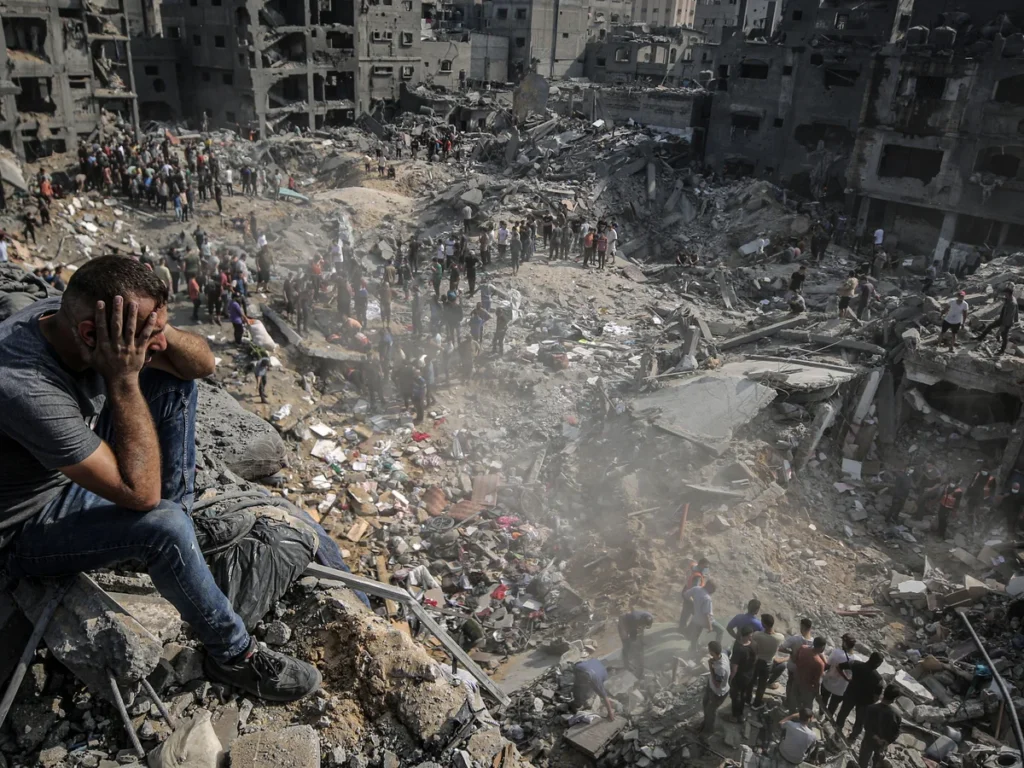
The crisis cannot be separated from the widespread destruction inflicted on Gaza’s health infrastructure during Israel’s genocidal war, which has lasted more than two years. Nearly all hospitals and medical facilities in Gaza have been attacked, damaged, or forced out of service.
According to the Ministry of Health, at least 125 health facilities have been damaged, including 34 hospitals rendered partially or completely inoperable. More than 1,700 health workers have been killed, a staggering toll that has hollowed out Gaza’s already overstretched medical workforce.
Israel also continues to detain at least 95 Palestinian doctors and medical workers, including 80 from Gaza, further weakening the enclave’s ability to respond to mass casualties and public health emergencies.
“These are not collateral consequences,” al-Bursh said. “They are part of a pattern that dismantles the capacity of an entire society to survive.”
Thousands Await Treatment Beyond Gaza
The impact of the siege extends far beyond those injured in air strikes or shelling. Al-Barsh said thousands of patients suffering from chronic and life-threatening illnesses are deteriorating rapidly due to the lack of treatment options inside Gaza.
An estimated 4,000 glaucoma patients are at risk of permanent blindness as eye medications and surgical procedures remain unavailable. Nearly 40,000 displaced pregnant women are living in overcrowded, unsanitary shelters, exposing them and their unborn children to severe health complications.
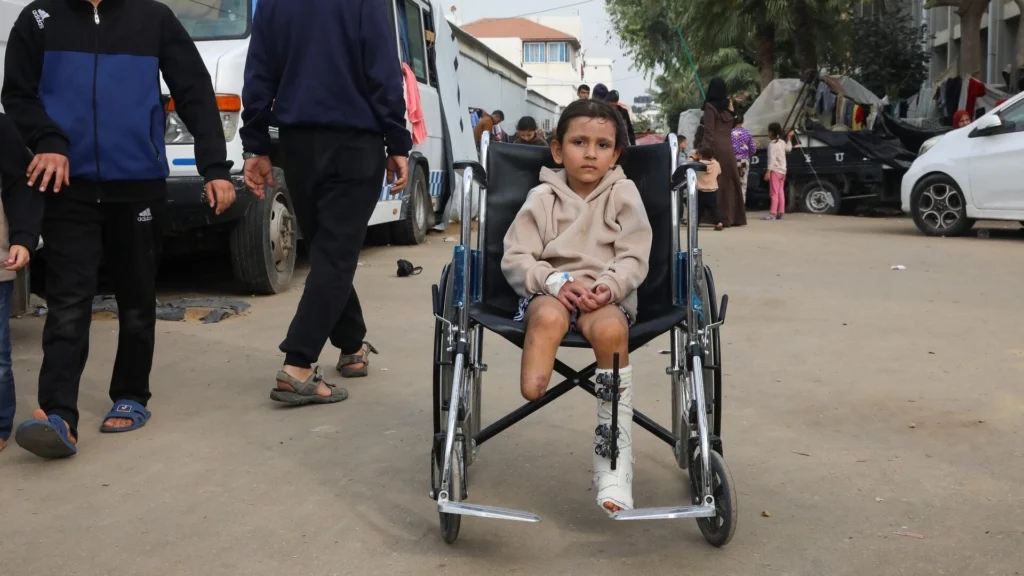
Children are among the most vulnerable. Around 320,000 children under the age of five are now at risk of malnutrition, as Israel’s restrictions on food and humanitarian aid fuel a worsening hunger crisis.
While a referral system exists to transfer patients outside Gaza for specialized treatment, al-Bursh said the process is slow, opaque, and deadly. Patients often die while waiting for permission to leave.
At least 1,156 patients have died while awaiting approval to travel for treatment abroad. The procedure requires referrals from Gaza doctors, evaluation by the World Health Organization, and final security approval by Israeli authorities, a process al-Bursh described as “lengthy, complex, and cruel.”
Currently, nearly 20,000 patients are on waiting lists for medical evacuation. About 18,500 have been approved by the WHO, but remain trapped due to Israeli delays. Among them, roughly 3,700 patients are in critical condition, and at least 4,300 are children.
“These are not numbers,” al-Bursh said. “These are people who are slowly dying while the world watches paperwork pile up.”
Calls for Immediate Action
Al-Bursh urged Israel to immediately open Gaza’s border crossings to allow the unrestricted entry of medical supplies, fuel, and humanitarian aid, and to permit the urgent transfer of thousands of patients in need of life-saving treatment.
“Any further delay will cost more lives,” he warned.
Since October 2023, Israel’s war on Gaza has killed at least 71,000 Palestinians and wounded more than 171,000, according to Palestinian health authorities. Many more are believed to remain buried under rubble or unaccounted for.
As Gaza’s health system teeters on the edge, doctors warn that without immediate international intervention to end Israel’s blockade on medical supplies, the enclave faces not only a humanitarian catastrophe, but the deliberate collapse of its ability to sustain life itself.