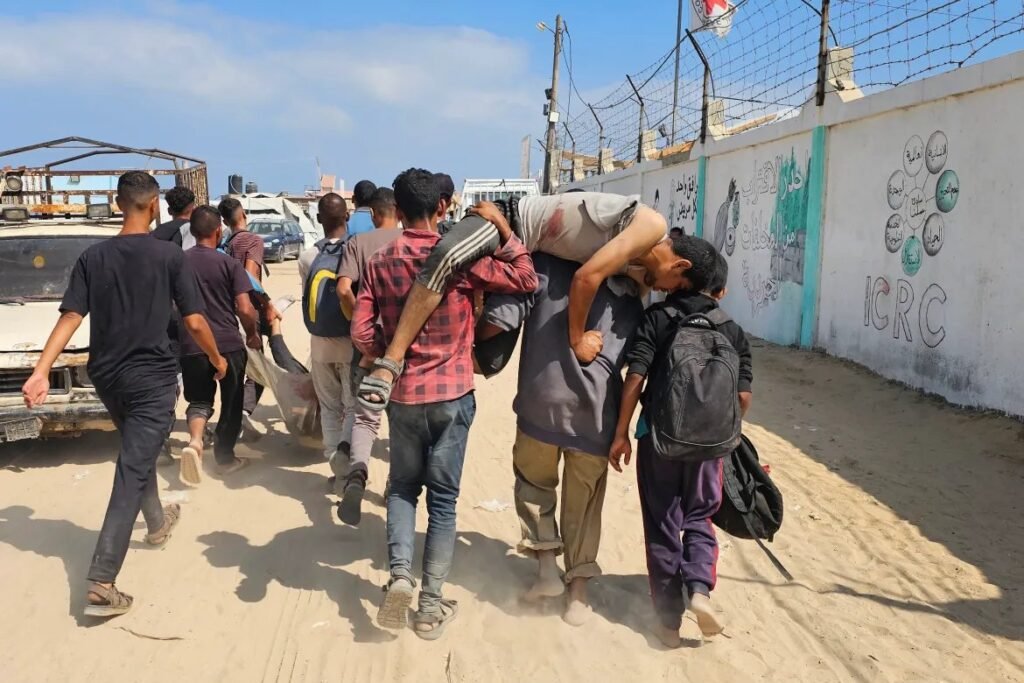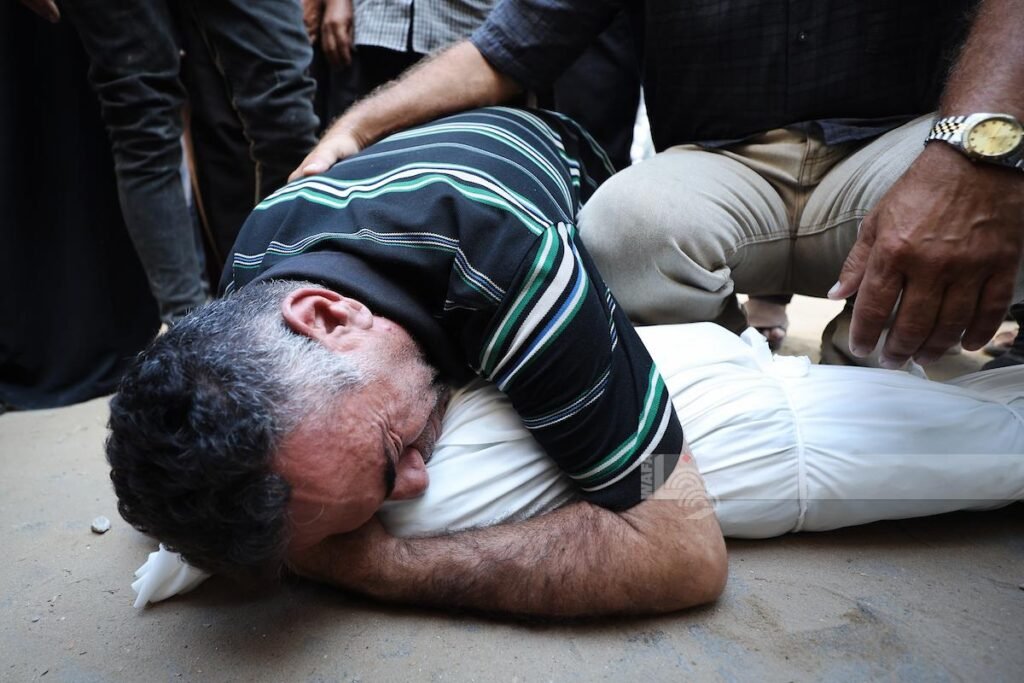
Gaza Herald_ A new demographic analysis by Germany’s Max Planck Institute estimates that between 99,997 and 125,915 Palestinians were killed in Gaza during the first two years of Israel’s war, far outstripping earlier public tallies. The findings highlight sharp declines in life expectancy and disproportionately high fatality rates among women and children.
Methodology and Core Findings
Researchers at the Max Planck Institute in Rostock drew on a wide array of data, including records from Gaza’s Health Ministry, independent household surveys, and death reports shared across social media to calculate a more accurate mortality estimate. Project co-leader Irena Chen stressed the limits of precision in wartime statistics, noting, “We will never know the exact number of people killed. What we aim to determine is the most realistic scale of the loss.”
Their median estimate places the likely death toll at 112,069, dramatically higher than the 67,173 deaths formally documented by the Gaza Health Ministry over the same timeframe.
Why the Official Count Falls Short
The study identifies several systemic obstacles that contribute to significant underreporting. The Gaza Health Ministry records only verified deaths with documentation, but countless victims remain unregistered due to the collapse of hospitals, lack of functioning civil registries, and bodies still trapped beneath destroyed buildings. Previous independent reviews have consistently found the Ministry’s tallies to be conservative rather than inflated, confirming that large numbers of casualties remain uncounted.
Demographic Toll and the Collapse of Life Expectancy
According to the researchers, the demographic effects are catastrophic: children under 15 account for roughly 27% of all deaths, while women make up about 24%. The war has produced an unprecedented collapse in life expectancy, previously estimated at 77 years for women and 74 for men in Gaza. For 2024, the study projects that life expectancy has plunged to 46 years for women and 36 years for men, a statistical reflection of the lethal conditions faced by Gaza’s civilian population.
These projections represent what average lifespans would look like if the extreme mortality patterns of the war were to continue indefinitely.