Gaza Herald – Since the outbreak of the genocidal war on Gaza, Israeli authorities have effectively sealed the Strip from international journalists. Over two years into the conflict, the Israeli Supreme Court has repeatedly granted government extensions to respond to petitions demanding press access, a tactic critics say deliberately prolongs media isolation and conceals evidence of crimes.
Security pretext under scrutiny
Israeli officials justify the restrictions on the grounds of “security concerns,” yet human rights organizations and press freedom advocates argue the ban is a calculated effort to monopolize the narrative. The Committee to Protect Journalists (CPJ) warned that the ongoing restrictions prevent independent reporting on Gaza’s humanitarian crisis.
“International journalists remain unable to cover events directly, and the public’s right to information cannot be suspended for political or security reasons,” said CPJ CEO Jodie Ginsberg.
During recent court proceedings, Israel’s attorney general admitted that “the situation in the Strip has changed,” but requested another month to review policy, citing plans to allow limited, army-escorted visits into the so-called “yellow zone,” where Israeli forces remain stationed following the ceasefire.
Propaganda through controlled access
CPJ criticized escorted journalist visits as a “propaganda tool,” noting that reporters are allowed only brief, tightly supervised trips with no freedom to interact independently with Palestinian civilians. Similarly, the European Broadcasting Union (EBU) urged Israel to allow full access for journalists, emphasizing that media presence is essential for transparency, accountability, and humanitarian assessment.
Over 200 media outlets previously signed an open letter demanding unrestricted entry to Gaza, highlighting the persistent obstacles journalists face.
Flimsy security justifications
Petitions by international journalists began in December 2023, when the Foreign Press Association in Jerusalem requested court intervention to gain access. The Israeli Supreme Court upheld the ban, repeatedly citing security risks to both journalists and soldiers, a justification repeated in January 2024 and February 2025.
Christophe Deloire, Secretary-General of Reporters Without Borders (RSF), said the destruction of Palestinian media outlets combined with the foreign press ban demonstrates a deliberate attempt to hide the reality on the ground.
Fragmented reporting and reliance on local journalists
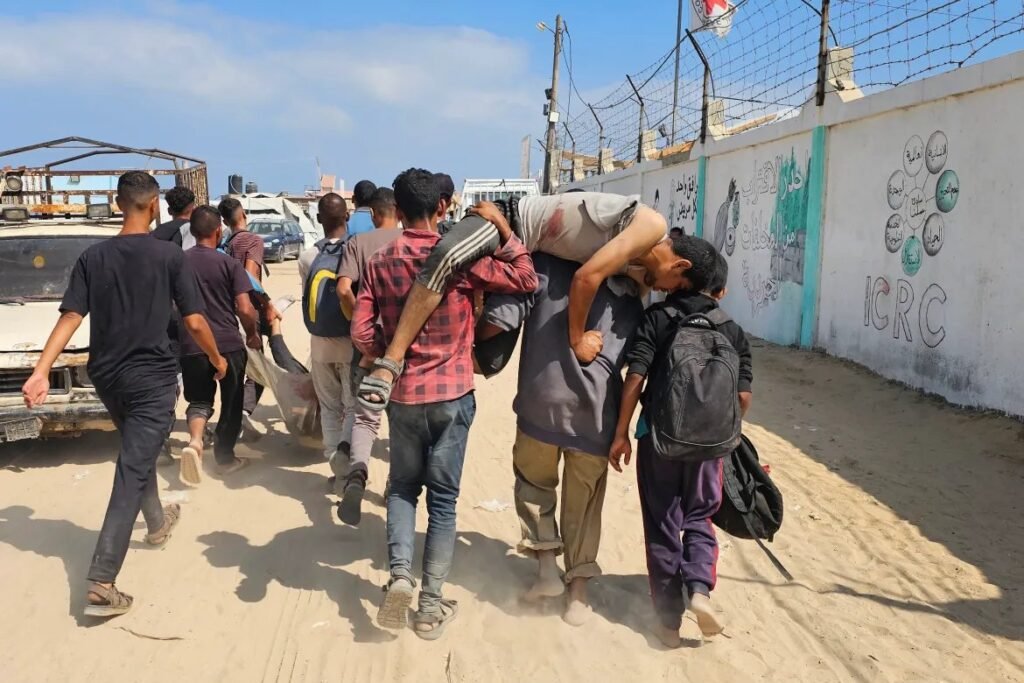
With international journalists blocked, global media rely heavily on Palestinian stringers and correspondents inside Gaza, many working under extreme conditions and constant threat. Israel continues to permit only a small, handpicked group of journalists for brief visits, often embedded with army units and subject to military censorship.
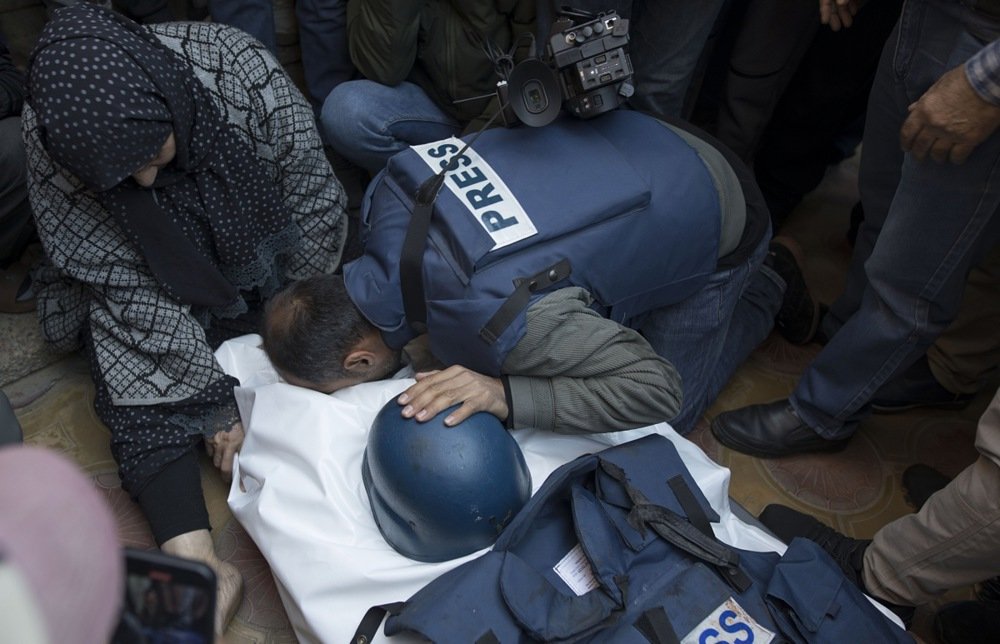
Israeli writer Stav Levaton noted that foreign reporters enter Gaza under “tightly controlled programs,” allowing no independent movement or contact with civilians, while personal safety risks remain real. According to Gaza’s Government Media Office, 254 journalists have been killed since the start of the war, many in targeted strikes.
Information vacuum and social media reliance
Tania Krämer, head of the Foreign Press Association in Jerusalem, emphasized that the ban on international reporters has created a serious information gap. While social media provides updates, verifying posts is difficult, and content is often decontextualized or manipulated.
“The burden of reporting should not fall solely on Palestinian journalists, who are risking their lives under extreme conditions,” Krämer said. She warned that if local journalists are unable to continue, the information void could deepen, allowing distortions and propaganda to flourish.
Institutional collusion to conceal evidence
The Euro-Mediterranean Human Rights Monitor described the ban as part of Israel’s broader strategy to monopolize the narrative. The organization criticized the Supreme Court for providing legal cover, arguing that the judiciary’s decisions facilitate the government’s policy of restricting transparency and blocking evidence collection.
Preventing journalists and independent investigators from entering Gaza, the Monitor argued, is part of a coordinated policy by Israel’s executive, military, and judicial branches to shield war crimes from scrutiny. The group concluded that these measures represent an intentional effort to erase traces of crimes and maintain half of Gaza as a restricted zone, violating international humanitarian law and obligations to preserve evidence.