Gaza Herald_ For over two years, Gaza has endured an unrelenting siege engineered by Israel, turning access to food, water, and necessities into a weapon of war. Experts and human rights monitors warn that this systematic deprivation has now escalated into famine, with consequences that the international community has largely failed to stop.
Starvation by Design
According to the UN, famine was officially declared in Gaza in late August 2025, confirming warnings issued by multiple humanitarian organizations months earlier. A month later, an independent UN commission concluded that Israel’s policies in Gaza constitute genocide, deliberately inflicting conditions meant to destroy the Palestinian population.
Ramy Abdu, chair of the Geneva-based Euro-Med Human Rights Monitor, told Gaza Herald that the evidence is overwhelming: “Gaza’s famine is not caused by natural disaster or economic collapse alone. It is a planned policy of using food and water as instruments of war. Starvation is being executed in plain sight.”
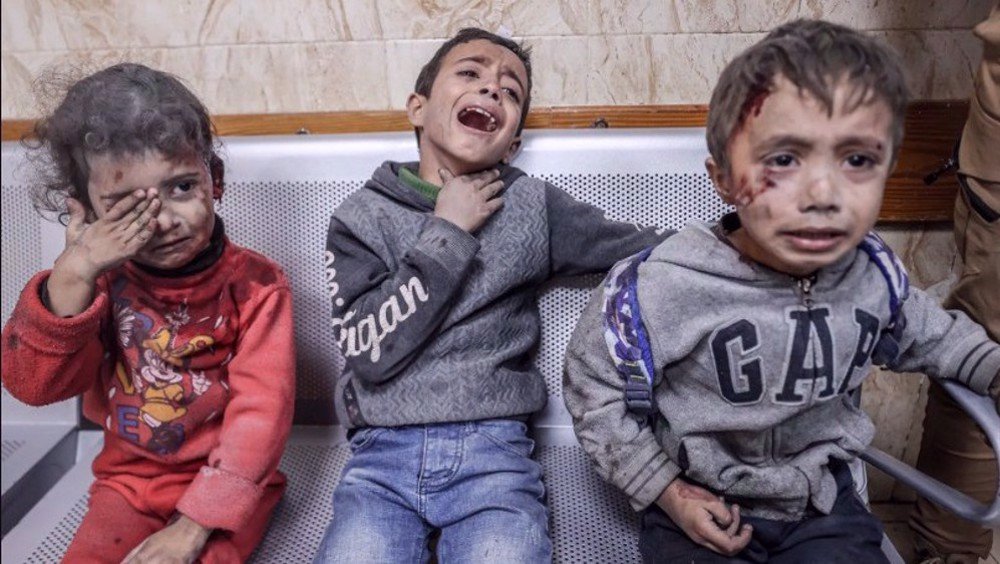
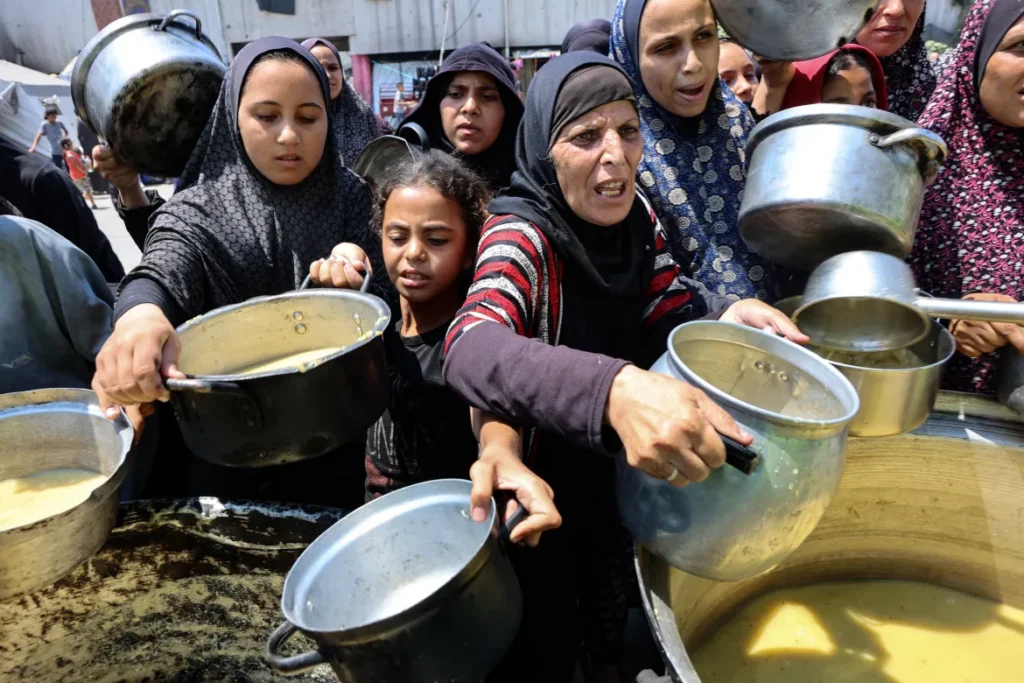
For Gaza Herald readers, this is not abstract policy; it is a lived reality. Families are forced to scavenge amid rubble, queues at aid points have become deadly, and children die quietly from hunger and disease.
From Blockade to Genocide
The roots of this crisis stretch back to Israel’s blockade imposed in 2006, which gave authorities control over every border crossing. By 2023, four out of five Gazans depended on aid, youth unemployment had reached 67 percent, and malnutrition-related diseases were widespread.
When Israel declared a “complete siege” on October 9, 2023, imports of food, water, fuel, and electricity were halted overnight. Bakeries closed, water pumps fell silent, and trucks carrying aid could no longer move. Farmland was bombed, fishing zones closed, and every local source of sustenance was targeted.
Abdu described it to the Gaza Herald as “engineered fragility turned into a weapon of slow annihilation.” Forced evacuations and relentless bombing compounded the crisis, displacing nearly two million Palestinians and stretching already limited food and medical supplies beyond the breaking point.
Humanitarian Lifelines Undermined
Even Gaza’s main humanitarian lifeline, UNRWA, has been deliberately weakened. Donor suspensions, attacks on warehouses, and blockades prevented the agency from delivering aid effectively. The creation of the Gaza Humanitarian Foundation in May 2025, overseen by Israel with US support, failed to restore access; aid zones became deadly areas where more than 1,760 Palestinians have been killed while attempting to reach food.
Gaza Herald has reported firsthand from several of these sites: the chaos is deliberate. Aid is limited, distribution points are exposed to shelling, and civilians are forced to risk their lives just to survive.
International Recognition, Little Action
Despite recognition of the crisis, including the UN Commission of Inquiry declaring Israeli actions genocide in September, little has changed on the ground. Palestinians continue to die from hunger, disease, and bombardment. One in five children in Gaza City is malnourished, and cases rise daily.
“Labeling Israel’s actions as genocide should trigger obligations under the 1948 Genocide Convention,” Abdu told Gaza Herald. “In practice, however, little has been done. Political will and enforcement remain absent, leaving Palestinians to endure a man-made catastrophe.”
Gaza Herald Perspective
From Gaza Herald’s coverage, it is clear: starvation is being weaponized. The siege is not a side effect of conflict; it is the central strategy of a war that targets civilians for survival itself. Every attack on farmland, aid distribution point, or UNRWA warehouse is part of a deliberate campaign to erase Gaza’s capacity to sustain life.
As the international community debates resolutions and issue statements, Palestinians face the stark reality that survival now depends on resilience, ingenuity, and sheer will. Gaza Herald continues to document these abuses and call for immediate political and legal pressure to end the siege, restore humanitarian aid, and hold perpetrators accountable.