Gaza Herald_ In Gaza, water is no longer just a basic necessity. It has become a threat. Whether you are trying to provide it, search for it, drink it, or simply be near it, water can cost you your life.
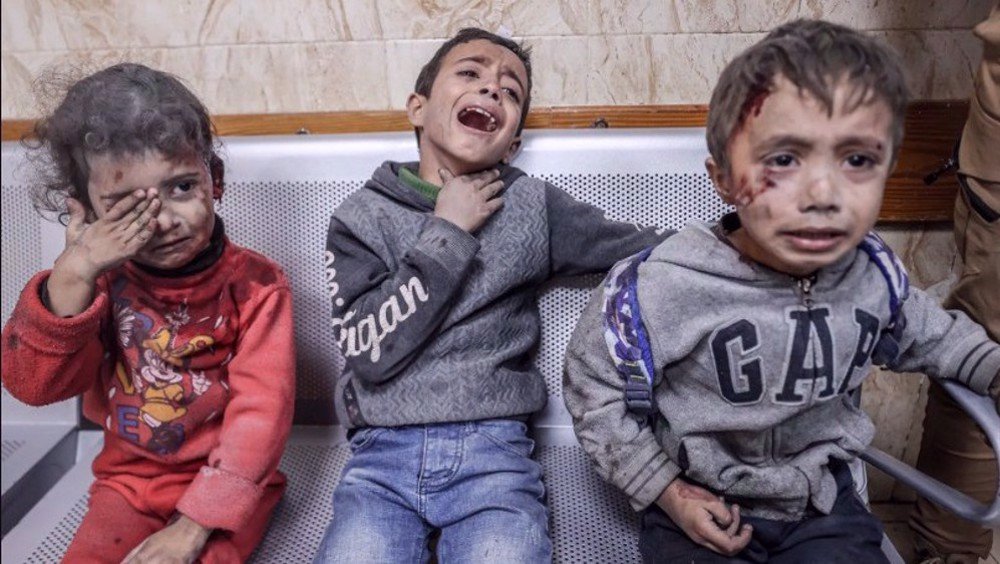
Death is part of daily life in Gaza. It is present on the streets, in the skies, and inside our homes. It is not surprising anymore. Furthermore, it has become something people must live with, or die with. There are many ways to be killed here, none of which are chosen. You might die from a bombing, a sniper’s bullet while looking for food, or from starvation. According to Gaza’s Health Ministry, 116 people, including children and babies, have already died due to malnutrition.
Something as simple as water now poses a deadly risk. Since the beginning of the war, Israeli forces have systematically destroyed Gaza’s water infrastructure. More than 85 percent of water and sanitation systems no longer function. This includes wells, pipelines, and treatment plants. Entry of water-related materials is blocked, making repair efforts nearly impossible. Even storage warehouses for equipment have been bombed. Workers trying to repair or operate water systems are also being targeted and killed.
Attacks on Water Facilities and Workers
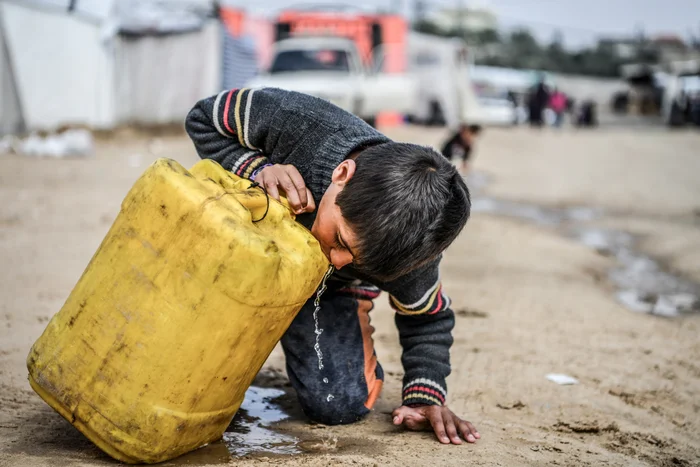
On July 21, Israeli forces attacked a desalination plant in Gaza City’s Remal neighborhood. Five people were killed at the site. This was one of the last remaining functioning stations in the area. The destruction of this infrastructure has forced people to search for water daily. Some private suppliers offer home delivery, but at prices few can afford. Most people have no choice but to walk long distances and wait in endless lines under the hot sun, carrying plastic jugs to collect water.
Queuing for Water Can Be Fatal
Waiting for water is not only exhausting it can be deadly. On July 13, an Israeli missile struck a group of civilians waiting in line to collect water in Nuseirat refugee camp. Eleven people were killed, including seven children. Dozens more were injured. When water trucks are unavailable, people are left with contaminated water from local wells. This water contains harmful bacteria, chemicals, and other pollutants. It is unsafe but often the only option.
I personally suffered after drinking from a local well. I caught hepatitis A. My skin turned yellow, my eyes lost their color, and I couldn’t eat. A constant fever and stomach pain left me bedridden for weeks. When I visited a clinic, I was given a painkiller and a casual “get well.” I had to recover on my own. Others, however, are not as lucky. Hepatitis, like many other waterborne diseases in Gaza, continues to take lives.
The Sea Is No Longer a Refuge
During the heat of summer, the sea could offer some relief. But even that has been taken from us. The Israeli military has declared Gaza’s entire coastline a restricted area. Swimming, fishing, or even walking near the water is forbidden. Anyone who approaches is shot. Before the ban, fishermen were already under attack. As of December 2024, 200 Palestinian fishermen had been killed. That number has grown.
Just a few kilometers away, Israelis enjoy the same sea without restriction. They swim, sunbathe, and take long showers. Their daily water use is 247 liters per person. In Gaza, people survive on just two to nine liters a day. The World Health Organization recommends at least 100 liters per person per day for basic needs.
Water is only one of the daily battles in Gaza. There is little food, no electricity, and barely any medicine. Every part of life is a fight for survival. There is no comfort, no relief, and no rest.
A Question for the World
How is it possible that in the 21st century, in a world filled with resources and global talk about dignity and justice, people in Gaza are still denied water? In December 2024, Human Rights Watch concluded that Israel is committing genocide in Gaza. One of its main findings was the use of water deprivation as a deliberate tactic. Thousands of Palestinians have died from hunger, thirst, and preventable diseases. A year later, those deaths continue many uncounted.
The reality is no secret. It is seen on television, on social media, and in official reports. Still, the world does nothing.
To the international community: your silence speaks louder than the bombs. If you do not act now, history will not forget your complicity in the death and suffering of the Palestinian people.