Gaza Herald– Israeli Prime Minister Benjamin Netanyahu has endorsed a contentious proposal to relocate hundreds of thousands of Palestinians from Gaza to a newly established “humanitarian city” located on the ruins of Rafah in southern Gaza. The plan has drawn widespread criticism, with many likening it to a concentration camp.
Defense Minister Israel Katz detailed that the plan would begin by moving approximately 600,000 Palestinians from the al-Mawasi area to this enclosed city during a potential 60-day ceasefire currently under negotiation between Israel and Hamas. Eventually, Katz envisions the entire Gaza civilian population, over two million people, being confined within this area.
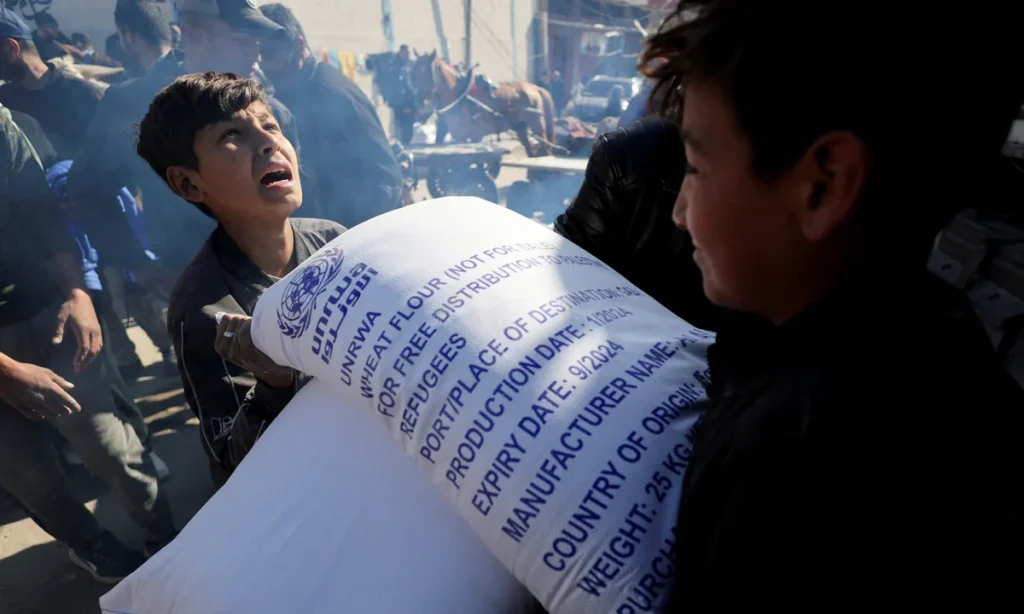
The relocation process involves rigorous security screenings intended to separate Palestinian civilians from Hamas fighters, who are expected to remain in northern Gaza. Once relocated, residents would receive basic necessities like food and medical care through several aid distribution centers but would not be permitted to leave the area.
Israeli Control and International Oversight
While Netanyahu reportedly showed a dismissive attitude toward the welfare of the relocated population, stating, “Give them Ben & Jerry’s, for all I care,” the management of the city remains a subject of debate. Though Israel’s military would secure the perimeter, it is seeking international partners or local Gaza organizations, such as the Gaza Humanitarian Foundation, to manage daily operations under Israeli supervision.
Opposition and Legal Concerns
The proposal has met strong opposition from human rights groups and legal experts who condemn it as forced displacement and a potential crime against humanity. Israeli Chief of Staff Eyal Zamir has voiced concerns over the plan’s lack of clear security measures and the large military presence it would necessitate.
Palestinian negotiators in Doha have also rejected the proposal, making it a significant stumbling block in ongoing prisoner exchange talks with Hamas.
Palestinian Resistance and Ongoing Conflict
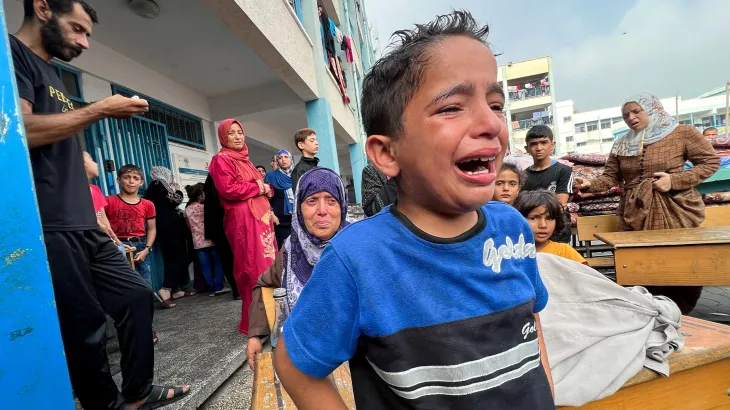
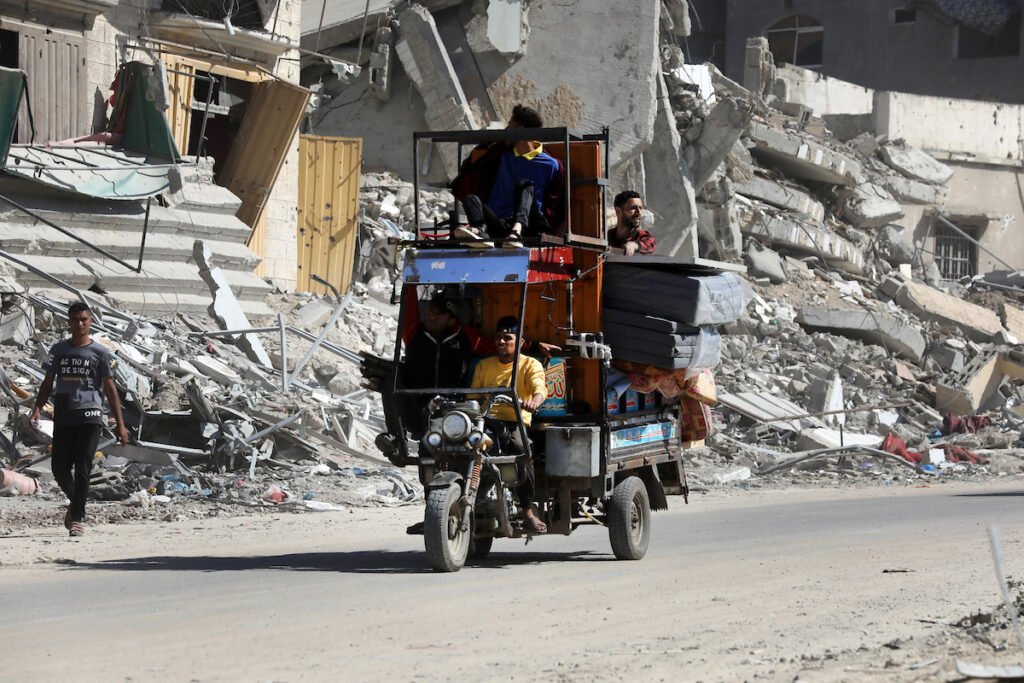
Many Palestinians displaced in earlier phases of the conflict have expressed their determination not to be uprooted again, despite the devastation in areas like al-Mawasi. They recount traumatic experiences in what have been called “humanitarian zones” and strongly resist further forced relocations.
Israel continues to deny accusations of deliberately targeting civilians during the ongoing war, which intensified significantly after October 7, 2023.
UNRWA’s Stance on Israel’s Gaza Relocation Scheme
In press remarks on Thursday, UNRWA’s Director of External Relations and Media, Tamara Al-Rifai, condemned Israel’s plan to build what it calls a “humanitarian city” on the ruins of Rafah in southern Gaza for forcibly relocating Palestinians, saying it “has nothing to do with humanity.”
Al-Rifai described calling the area a “humanitarian city” as an insult to the principle of humanity, stating that there is nothing humane about the plan. She warned that confining 600,000 Palestinians in the first phase, followed by all of Gaza’s 2.1 million residents in a tightly controlled space under strict Israeli military supervision, would turn Gaza, already known as the largest open-air prison, into the most overcrowded and tightly monitored prison in the world.
Al-Rifai continued to denounce the plan, warning it would create massive overcrowded camps on the border with Egypt and stressed that silence or complicity in such large-scale forced displacement is unacceptable.
Rafah’s total area is about 55 square kilometers, while Gaza’s full area is 365 square kilometers, one of the most densely populated places on earth.
On Wednesday, UNRWA Commissioner-General Philippe Lazzarini said the plan would create “massive overcrowded camps on the Egyptian border for Palestinians who have suffered displacement for generations.”
He added that the only way forward is a permanent ceasefire that includes hostage release, safe and dignified humanitarian aid flow, and a sincere commitment to a two-state solution.
Since October 7, 2023, Israel, with full US support, has carried out what many describe as a genocide in Gaza, causing over 195,000 Palestinian casualties including mostly women and children, more than 10,000 missing persons, hundreds of thousands displaced, and widespread famine causing many deaths.
This plan to confine Palestinians into a sealed “humanitarian city” not only echoes the darkest chapters of history but also threatens to erase the fundamental rights and dignity of Gaza’s people. Forced displacement under the guise of “humanitarian aid” is a clear violation of international law and an assault on Palestinian self-determination. Rather than enabling further confinement and suffering, the global community must stand in solidarity with Palestinians, demanding an immediate end to the siege, respect for their right to return to their homes, and a genuine, just peace that honors their humanity. True peace cannot be built on walls, camps, or displacement; it requires justice, freedom, and the restoration of Palestinian rights.