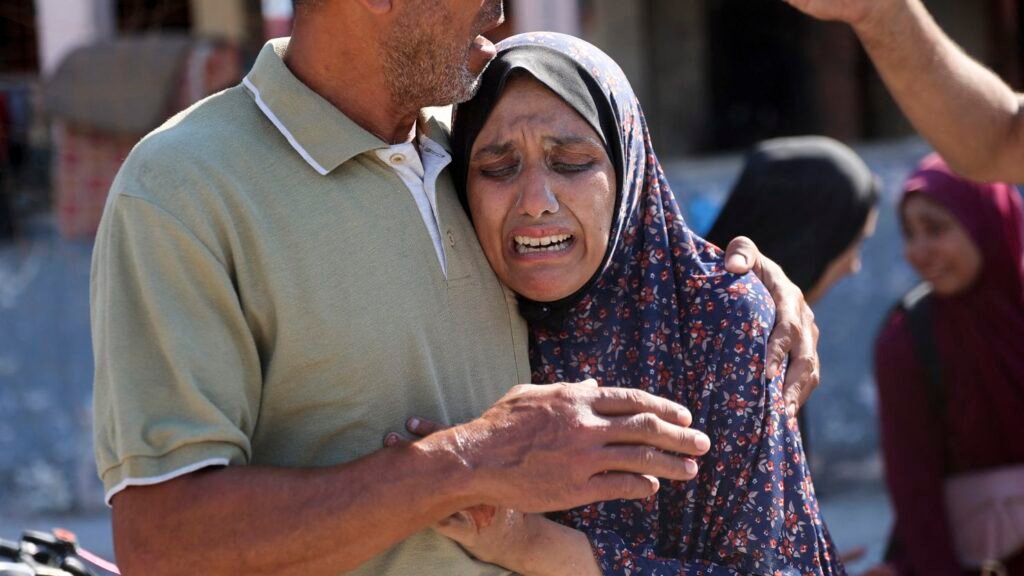
DaysOfPal — As winter sets in across the Gaza Strip, tens of thousands of displaced Palestinian families are facing another humanitarian emergency after heavy rains and powerful winds flooded their tents, swept away makeshift shelters, and left families exposed to the bitter cold.
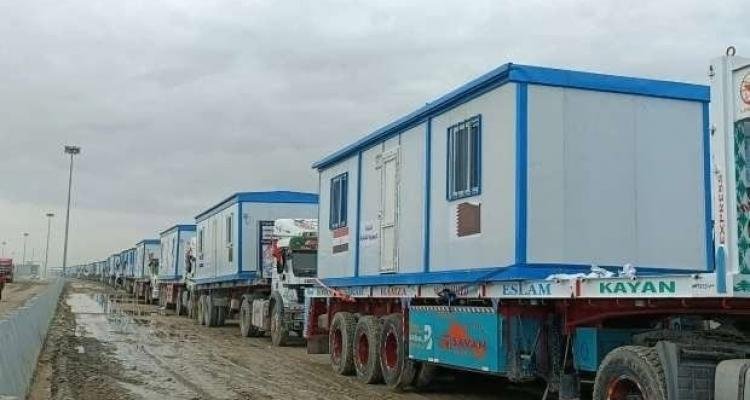
Gaza’s Ministry of Public Works and Housing has called for the urgent entry of prefabricated mobile homes, known locally as caravans, warning that ordinary tents can no longer provide adequate protection for hundreds of thousands of displaced Palestinians.
The appeal follows a severe winter storm that flooded approximately 70,000 displacement tents in just 12 hours, according to Gaza’s Government Media Office, exposing the devastating consequences of prolonged displacement and the shortage of safe shelter.
With homes destroyed, infrastructure damaged, and winter conditions worsening, the ministry warned that providing more durable temporary housing has become an urgent humanitarian necessity.
Mobile Homes Offer Safer Shelter Than Tents
The Ministry of Public Works and Housing said prefabricated mobile homes represent the most suitable temporary alternative to the tents currently housing displaced families.
Unlike lightweight fabric shelters, mobile homes provide greater stability and protection against heavy rainfall, strong winds, and falling temperatures.
The ministry emphasized that such units are not a substitute for permanent reconstruction but an essential interim solution until destroyed homes and residential neighborhoods can be rebuilt.
It warned that existing tents have become increasingly incapable of meeting even the most basic shelter needs, particularly during severe winter weather.
For families who have spent months or years living in temporary camps, the deterioration of tents has left them vulnerable to flooding, cold, and repeated displacement.
Why Gaza’s Tents Are Collapsing in Winter Storms
The ministry explained that several structural factors make displacement tents particularly vulnerable to powerful winds and heavy rainfall.
Their lightweight construction allows strong gusts to lift or overturn them, while many are inadequately secured to the ground.
The problem is especially severe in sandy areas, where rainfall saturates the soil and weakens the anchoring points used to hold tents in place.
The absence of solid concrete foundations further reduces their stability and ability to withstand severe weather.
As a result, tents can be uprooted, damaged, or flooded within minutes, leaving families scrambling to protect their children and belongings.
The ministry said limited quantities of fiberglass-based tents have entered Gaza through some international organizations.
Although these shelters offer relatively better protection against harsh weather than ordinary fabric tents, the quantities delivered remain far below the needs of displaced families.
Officials stressed that improved tents alone cannot resolve Gaza’s growing shelter crisis.
70,000 Tents Flooded in 12 Hours
The scale of the emergency became clear when Gaza’s Government Media Office reported that approximately 70,000 tents had been flooded during just 12 hours of rainfall.
The flooding damaged displaced families’ belongings and worsened living and health conditions in overcrowded camps.
Many families have been forced to contend with water entering their sleeping areas, soaking mattresses, blankets, clothing, and other essential possessions.
For displaced Palestinians who have already lost their homes, the destruction of even a temporary shelter can mean another night without a dry place to sleep.
The storm has exposed the fragility of Gaza’s displacement camps, where thousands of families live in tents that offer little protection from rain, wind, and cold.
The lack of adequate heating supplies and suitable alternatives has further intensified the suffering of children, older adults, and people with medical conditions.
Civil Defense Receives 2,166 Distress Calls, Responds to Only 218
Gaza’s Civil Defense reported receiving 2,166 emergency calls since the storm began affecting the territory.
However, its crews were able to respond to only 218 calls, approximately 10% of the total, because of severe shortages of vehicles, machinery, equipment, and other resources needed to manage widespread flooding.
The figures illustrate the enormous pressure facing emergency responders as hundreds of families simultaneously seek assistance across the Strip.
Without sufficient water pumps, heavy machinery, and operational equipment, Civil Defense teams have struggled to drain flooded camps and reach families in urgent need.
The crisis has been compounded by extensive damage to Gaza’s infrastructure, leaving many displacement sites without effective drainage systems or the basic facilities needed to withstand heavy rainfall.
Urgent Demand for Shelter Materials and Reconstruction
The Ministry of Public Works and Housing stressed the need for the immediate entry of prefabricated mobile homes, appropriate weather-resistant tents, shelter materials, and heating supplies.
It also called for repairs to damaged infrastructure to reduce the impact of future storms and flooding on displacement camps and residential communities.
The ministry warned that the continued deterioration of homes and public infrastructure, combined with the concentration of displaced families in areas lacking basic services, has made the need for safer temporary housing increasingly urgent.
While mobile homes would provide immediate relief, officials emphasized that lasting recovery depends on rebuilding destroyed neighborhoods and creating the conditions for displaced residents to return to their homes.
As Winter Deepens, Gaza’s Displaced Families Remain Exposed
For hundreds of thousands of Palestinians living in makeshift shelters, the arrival of winter has brought a new struggle for survival.
Tents that once offered temporary refuge after the destruction of their homes are now failing to protect families from heavy rain, freezing temperatures, and powerful winds.
The ministry’s appeal underscores a growing humanitarian reality: Gaza’s displaced population needs more than replacement tents.
It needs safe, stable shelter capable of protecting families through the winter until reconstruction becomes possible.
As rainwater floods displacement camps and winter cold settles over Gaza, the urgent demand for mobile homes is no longer simply about improving living conditions. It is about protecting families who have already lost their homes from being left without shelter once again.