Gaza Herald – Along Gaza’s coastline, one of the last remaining spaces of relief for Palestinians has been transformed into a worsening environmental and public-health crisis, as massive quantities of untreated sewage flow into the sea following the destruction and collapse of large parts of Gaza’s wastewater networks, pumping stations and treatment facilities during Israeli genocide on the Strip.
Around 24,000 cubic meters of wastewater are discharged every day into the sea off Gaza City through five main outlets. Across the Gaza Strip, the amount of untreated sewage reaching the coast exceeds 130,000 cubic meters daily.
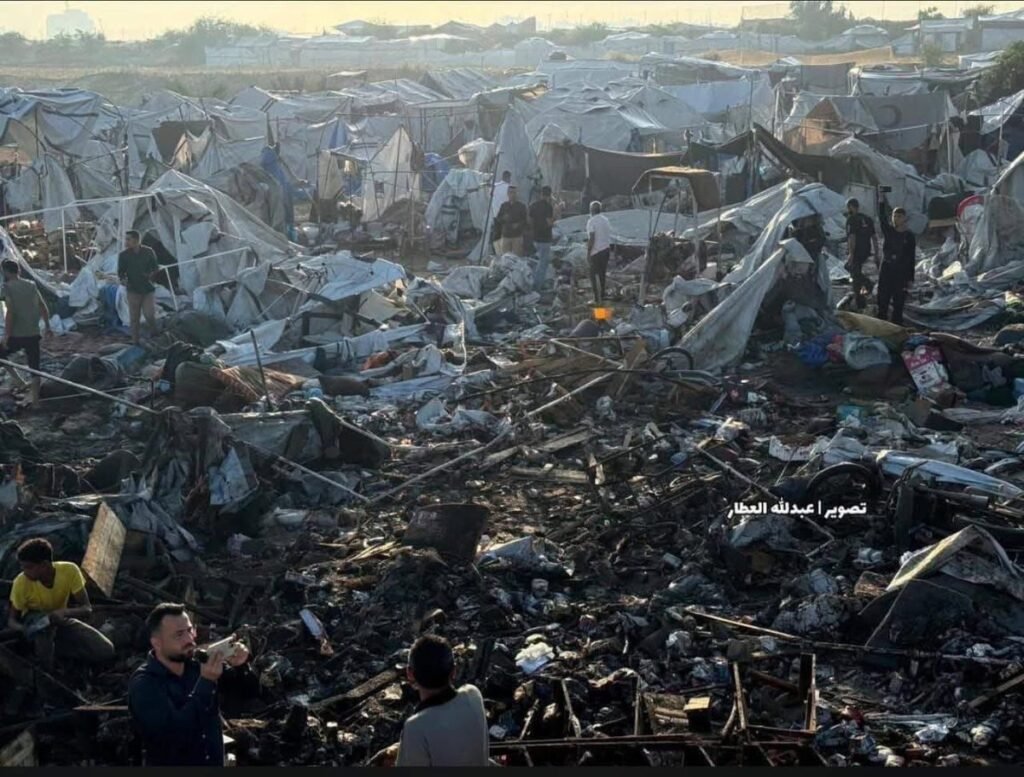
The crisis is particularly dangerous in overcrowded displacement areas, where Palestinians are living in tents and shelters with severely limited access to clean water, sanitation and cooling, while soaring temperatures intensify the health risks.
As the summer heat becomes increasingly unbearable, displaced Palestinian families and children turn to the sea for relief. Yet contaminated seawater has become a source of fear, with Palestinian families reporting skin infections and other health problems among children after exposure to polluted water.
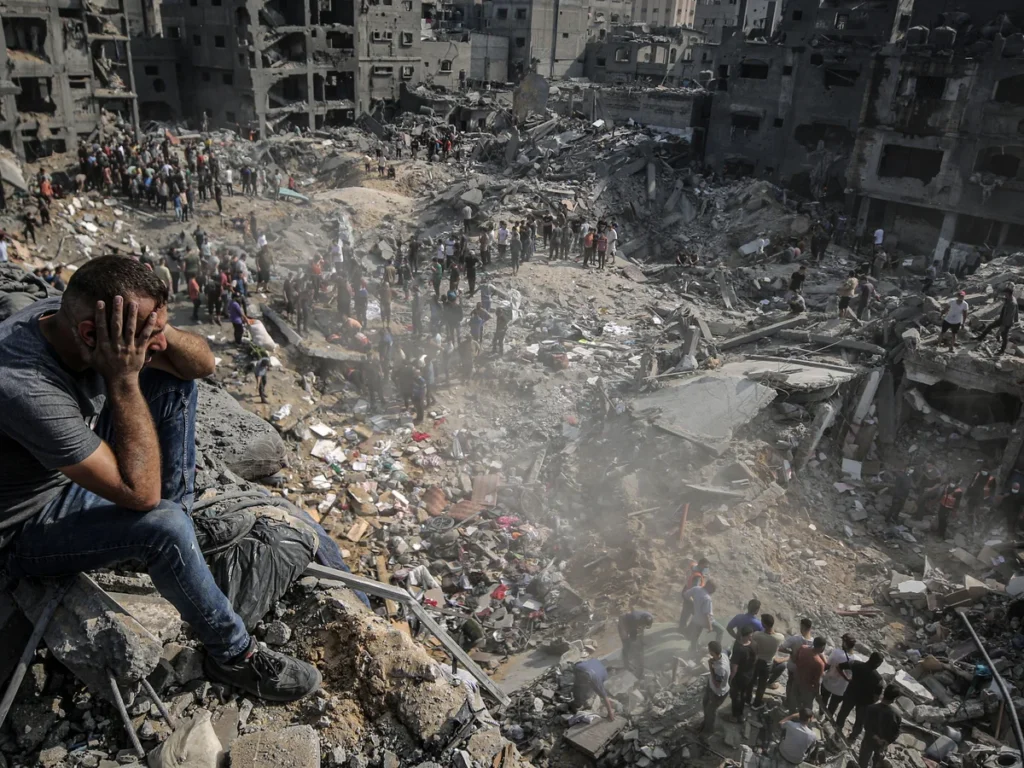
The collapse of Gaza’s sanitation system has been compounded by the shutdown of five major wastewater treatment plants, the destruction of approximately 220 kilometers of sewage networks, and extensive or partial damage to eight pumping stations.
With the system severely degraded, untreated sewage spills into streets, residential areas and displacement camps before reaching the sea, threatening groundwater contamination while creating conditions for the spread of insects, rodents and infectious diseases.
The health risks are unfolding as Gaza’s already devastated healthcare system faces severe shortages of medicines and medical supplies. Thousands of cases of infectious and skin diseases have been reported, while damaged health facilities and overcrowded displacement sites make containing outbreaks increasingly difficult.
The environmental consequences are also severe. Wastewater carrying microorganisms and chemical pollutants is entering Gaza’s coastal waters, threatening marine biodiversity, fish stocks and food safety. The pollution adds another dimension to the humanitarian and environmental catastrophe imposed on Palestinians in the Strip.
For Palestinians in Gaza, the destruction has gone far beyond homes, hospitals and roads. It has damaged the basic systems needed for life itself, clean water, sanitation, healthcare and a safe environment.
The sea, once a place where Palestinian children and families could escape the heat, play and find a moment of relief, has become another painful reminder of the devastation left by Israel’s genocide, blockade and prolonged destruction across Gaza.