Gaza Herald _For nearly three years, Israel has remained engaged in almost uninterrupted military campaigns stretching far beyond the Gaza Strip. What began with the aftermath of the October 2023 event has evolved into a series of wars and military operations across multiple fronts, including Gaza, Lebanon, Syria, Yemen, and Iran. Despite the immense military, political, and humanitarian costs, many Israeli political leaders continue to frame expanding military action as the primary path to security, even as questions grow over whether these campaigns have achieved their stated objectives.
War Without an End
Only days after Washington and Tehran reached a memorandum of understanding that temporarily halted months of US-Israeli military operations against Iran, public opinion inside Israel reflected widespread dissatisfaction with the outcome.
According to recent polling, a large majority of Israelis believed the agreement prevented Israel from achieving complete victory over Iran. Many respondents also expressed support for continuing military operations against Lebanon and Hezbollah regardless of calls for restraint from the United States, Israel’s closest ally.
The findings illustrate a growing belief among many Israelis that military pressure should continue even when diplomatic efforts seek to reduce regional tensions.
Expanding Battlefields
Since October 2023, Israel has dramatically expanded the geographical scope of its military operations.
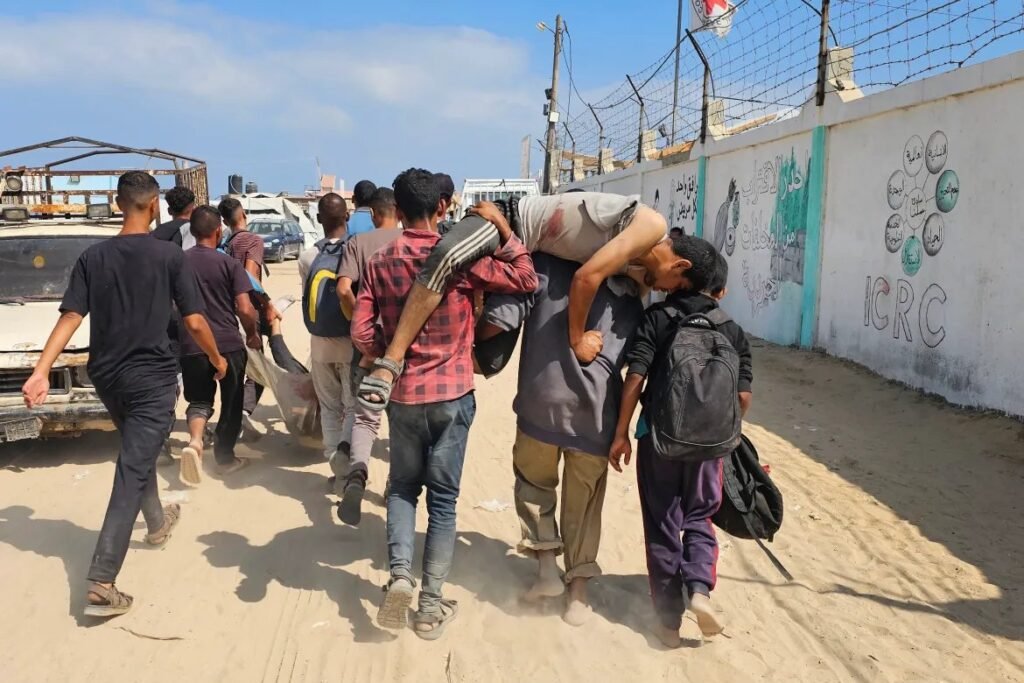
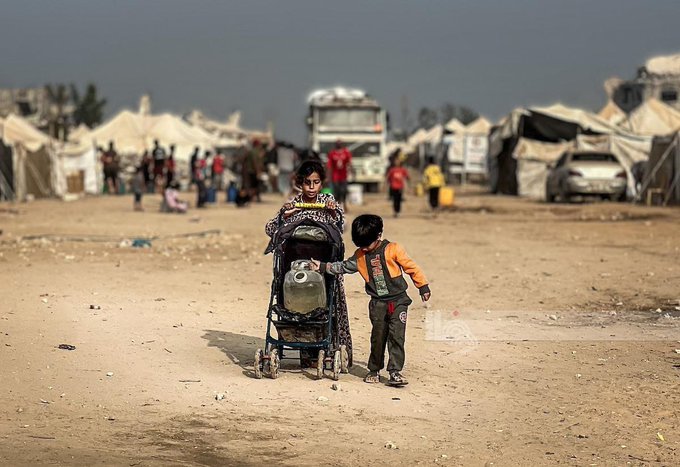
Its campaign in Gaza has devastated much of the territory, killing tens of thousands of Palestinians and destroying large sections of civilian infrastructure. At the same time, Israeli forces have carried out repeated operations against Hezbollah in Lebanon, launched multiple strikes inside Syria, targeted Houthi positions in Yemen, and fought two rounds of direct confrontation with Iran.
Rather than being viewed as separate conflicts, these military campaigns are increasingly presented within Israel as components of a broader regional struggle against what officials describe as interconnected security threats.
Rare Political Consensus
Although Israel’s political system remains deeply divided on many domestic issues, military policy has become one of the few areas where broad agreement exists.
Politicians from both the governing coalition and major opposition parties have largely supported continued military operations, even when disagreeing over how they should be conducted.
Former Israeli Chief of Staff Gadi Eisenkot described the military campaign against Iran as one of Israel’s most justified wars in decades, portraying Tehran as the country’s principal strategic adversary.
Opposition leader Yair Lapid also endorsed military action against Iran and Hezbollah. His criticism focused not on the war itself, but on Washington’s decision to negotiate with Tehran, which he characterized as a major diplomatic setback for Israel.
The Legacy of October 2023
Israeli sociologist Daniel Bar-Tal argues that the October 2023 event fundamentally reshaped Israeli public consciousness.
According to Bar-Tal, political leaders, media institutions, and public discourse increasingly connected the attack to the Holocaust, framing it not simply as a devastating security failure but as another chapter in the long history of Jewish persecution.
He argues that this narrative reinforced several deeply rooted beliefs within Israeli society, including a strong sense of collective victimhood, the conviction that Israeli military objectives are inherently justified, and the increasing delegitimization of Palestinians.
These factors, he suggests, have contributed to widespread public support for prolonged military campaigns across the region.
Military Success Without Lasting Security
Despite years of continuous warfare, many analysts question whether Israel is substantially safer today than it was before October 2023.
In Gaza, Hamas continues to maintain influence in significant parts of the territory despite Israel’s prolonged military offensive.
Similarly, expectations that Iran’s leadership would quickly collapse following Israeli and American military operations proved unfounded, as the government in Tehran remained intact.
These developments have fueled debate over whether military victories alone can achieve Israel’s long-term strategic goals.
Political Incentives for Continued Conflict
Israeli analyst Shaiel Ben-Ephraim argues that two major forces are driving Israel’s continued reliance on military action.
The first is rooted in domestic politics.
With elections approaching, Prime Minister Benjamin Netanyahu continues to face intense pressure over the October 2023 security failures, as well as ongoing corruption trials. According to Ben-Ephraim, maintaining active military conflicts allows Netanyahu to delay political accountability while presenting himself as a wartime leader.
The second factor, he argues, is ideological.
Following the October 2023 attack, much of Israel’s political and military establishment concluded that traditional deterrence and diplomatic arrangements had failed. As a result, many leaders now advocate eliminating potential threats before they fully emerge rather than relying on containment or negotiated agreements.
This doctrine has shaped Israeli military thinking toward Gaza, Lebanon, Iran, and other regional actors viewed as future security challenges.
A Doctrine of Permanent War
Ben-Ephraim believes this shift has produced a strategic mindset in which military confrontation becomes the default response to perceived threats.
Under this approach, the objective extends beyond defeating current adversaries. It seeks to permanently eliminate any future challenge, regardless of where it originates.
Such thinking makes additional regional conflicts increasingly likely, as new threats are continually identified before previous wars have truly ended.
An Uncertain Future
Whether Israel regards recent military operations as tactical successes or not, analysts argue that lasting stability remains elusive.
The persistence of armed groups, unresolved political disputes, and growing regional tensions suggests that military victories alone may not resolve the underlying causes of conflict.
For many observers, Israel now appears caught in a cycle where each war lays the foundation for the next. Unless significant political and strategic changes occur, the prospect of new military confrontations across the Middle East may not remain the exception but the expectation.