Gaza Herald – A deepening fuel crisis is pushing Gaza toward a major water emergency, as several desalination plants have ceased operations after exhausting their remaining fuel supplies, threatening access to safe drinking water for hundreds of thousands of Palestinians.
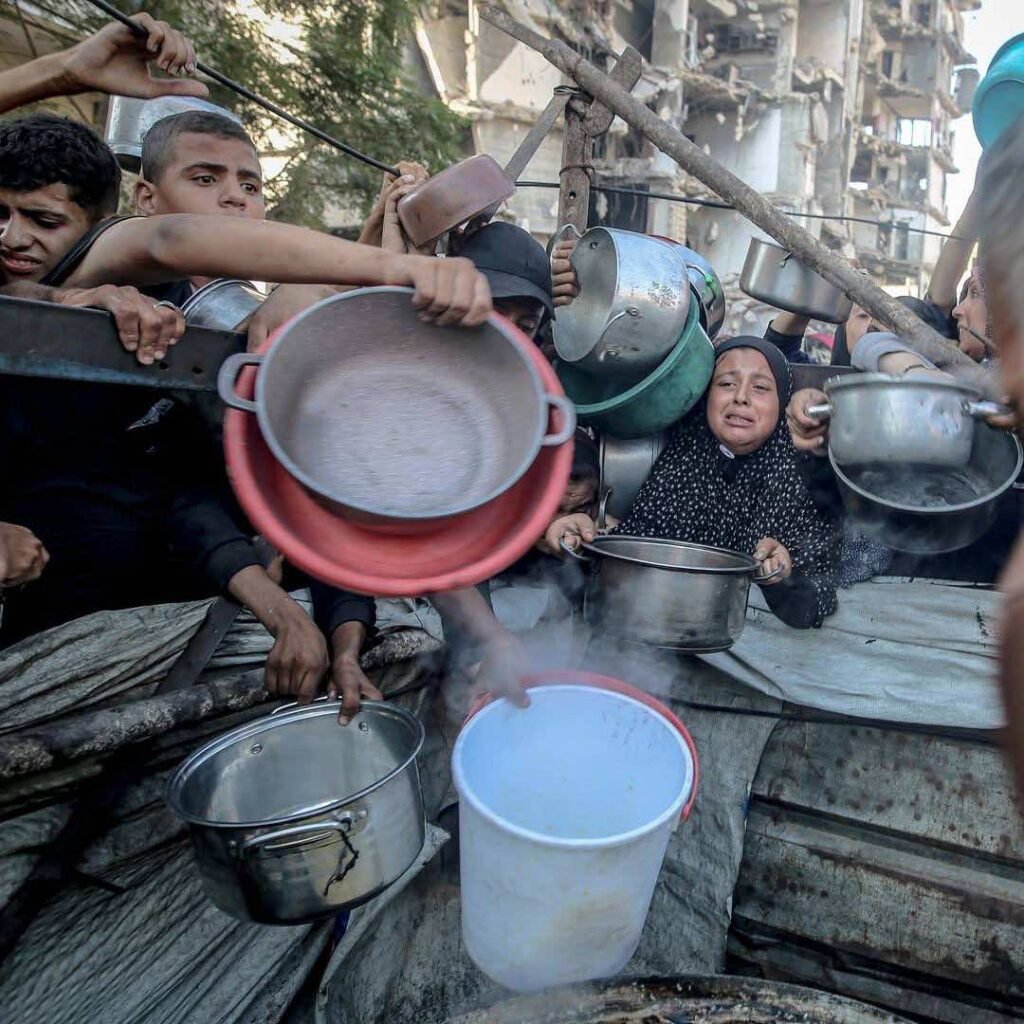
The Association of Desalination Plant Owners in Gaza warned on Saturday that the suspension of plant operations could trigger a humanitarian disaster, as much of the population relies on desalinated water as its primary source of drinking water amid widespread damage to the territory’s water infrastructure.
According to the association, multiple facilities have already stopped operating in recent days after running out of fuel. The group revealed that representatives of UNICEF informed plant operators this week of difficulties in securing and distributing the diesel required to keep desalination systems functioning.
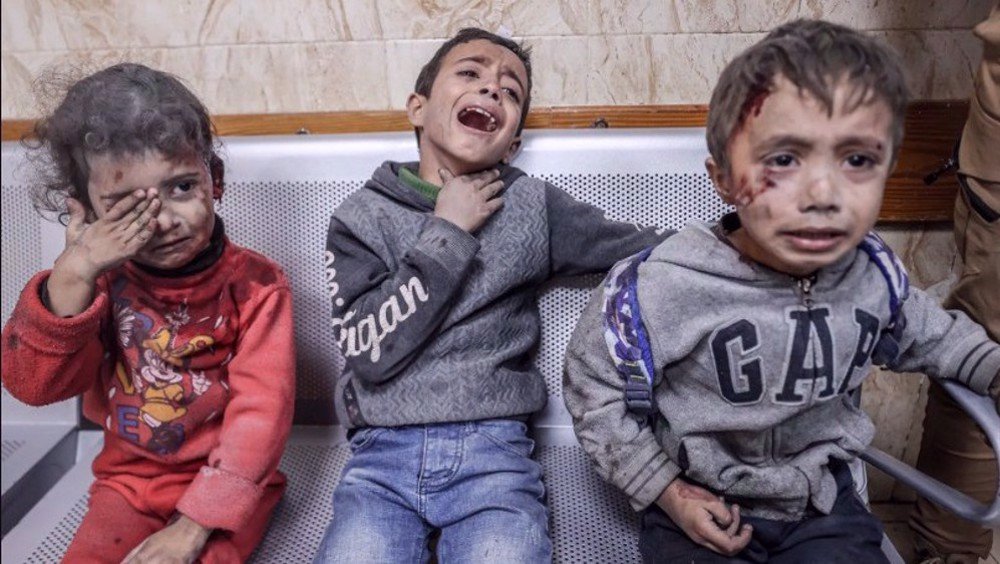
The warning comes as Gaza continues to face severe restrictions on the entry of fuel and essential supplies. Water sector officials stressed that even temporary shutdowns of desalination facilities can have immediate consequences for public health, particularly in overcrowded displacement camps where access to clean water is already critically limited.
Beyond fuel shortages, the sector is grappling with an acute lack of maintenance materials and operational equipment, including filtration systems, desalination membranes, spare parts, industrial lubricants, and vehicle components needed to transport and distribute water throughout the Strip.
Humanitarian organizations have warned that Gaza’s water system is nearing collapse after months of destruction, shortages, and infrastructure damage. With summer temperatures rising and demand for water increasing, the interruption of desalination services threatens to leave large segments of the population without reliable access to safe drinking water.
Water experts and local authorities are urging immediate international intervention to secure fuel supplies and essential equipment before the crisis escalates further. Without urgent action, Gaza could face an unprecedented deterioration in water security, exposing hundreds of thousands of civilians to dehydration, disease, and worsening humanitarian conditions.