Gaza Herald_ As summer temperatures rise across the Gaza Strip, humanitarian organizations are warning that hundreds of thousands of displaced Palestinians are facing increasingly dangerous living conditions due to severe shortages of shelter materials and emergency assistance.
According to humanitarian agencies, approximately 170,000 households, representing nearly one million people, are currently living in tents across Gaza. Thousands of additional families remain without even basic shelter, with around 5,000 households sleeping in open areas and another 52,000 families crowded into temporary shelters that lack adequate space and privacy.
Despite months of appeals, an estimated 850,000 people continue to lack essential shelter items such as plastic sheeting, plywood, ropes, and other materials needed to improve living conditions. Humanitarian officials say the crisis is not the result of natural causes but rather the combined impact of widespread destruction, repeated displacement, and restrictions that continue to prevent critical supplies from reaching those in need.
The situation is expected to worsen as summer temperatures continue to climb. Meteorological forecasts indicate that daytime temperatures could reach 34.5 degrees Celsius during the hottest period of the season, while the number of days exceeding 35 degrees is also expected to increase.
Aid organizations warn that many of the makeshift shelters currently housing displaced families were never designed to withstand prolonged use or extreme weather conditions. Most offer little protection from heat, with limited ventilation and inadequate shading, turning tents into dangerously hot environments during daylight hours.
Humanitarian officials stress that relatively simple interventions, including shade coverings, improved ventilation systems, and basic shelter upgrades, could significantly reduce health risks and improve living conditions. However, many of the materials required for these improvements remain unavailable inside Gaza due to ongoing restrictions on humanitarian imports.
As temperatures rise, vulnerable groups face growing health threats. Children, elderly people, and individuals suffering from chronic illnesses are particularly susceptible to heat-related illnesses, dehydration, respiratory complications, and infectious diseases. Humanitarian agencies also warn that women and girls face additional risks in overcrowded displacement sites where poor lighting, insufficient privacy, and inadequate sanitation facilities contribute to insecurity and heightened vulnerability.
Jan Egeland, Secretary General of the Norwegian Refugee Council, described the situation as unacceptable, arguing that families who have already endured months of displacement, loss, and hardship should not be forced to confront extreme summer conditions without adequate shelter.
Humanitarian organizations emphasize that they possess both the expertise and operational capacity to assist displaced communities, but their efforts remain constrained by the shortage of materials entering the territory. Aid groups say that without tents, tarpaulins, shade nets, plastic sheeting, and basic repair supplies, their ability to provide meaningful protection for families remains severely limited.
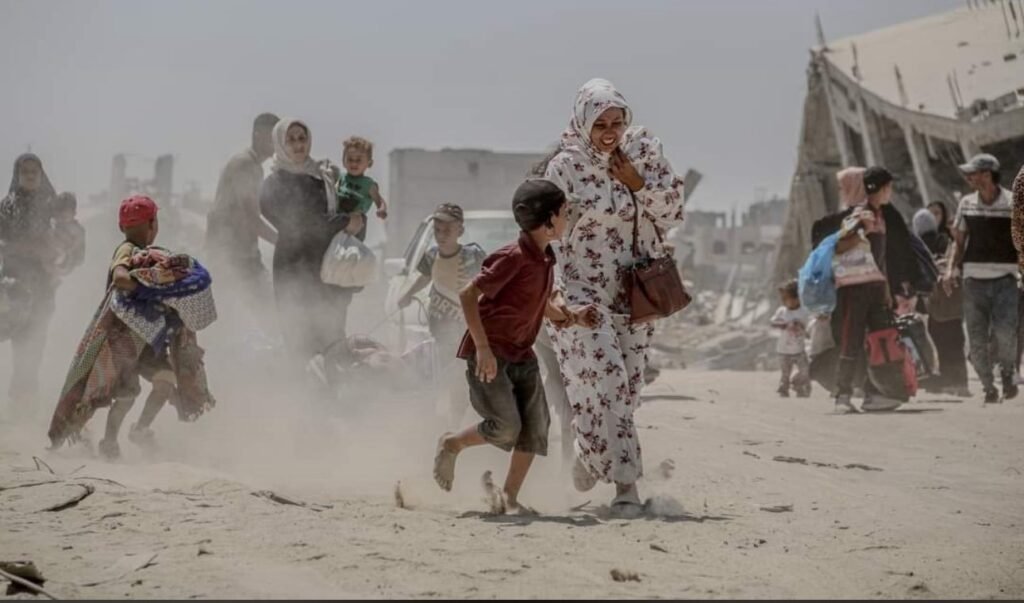
The shelter crisis is unfolding against the backdrop of widespread destruction throughout Gaza. Humanitarian assessments indicate that more than three-quarters of the territory’s housing stock has been damaged or destroyed during the conflict, leaving entire neighborhoods uninhabitable and forcing families into repeated cycles of displacement.
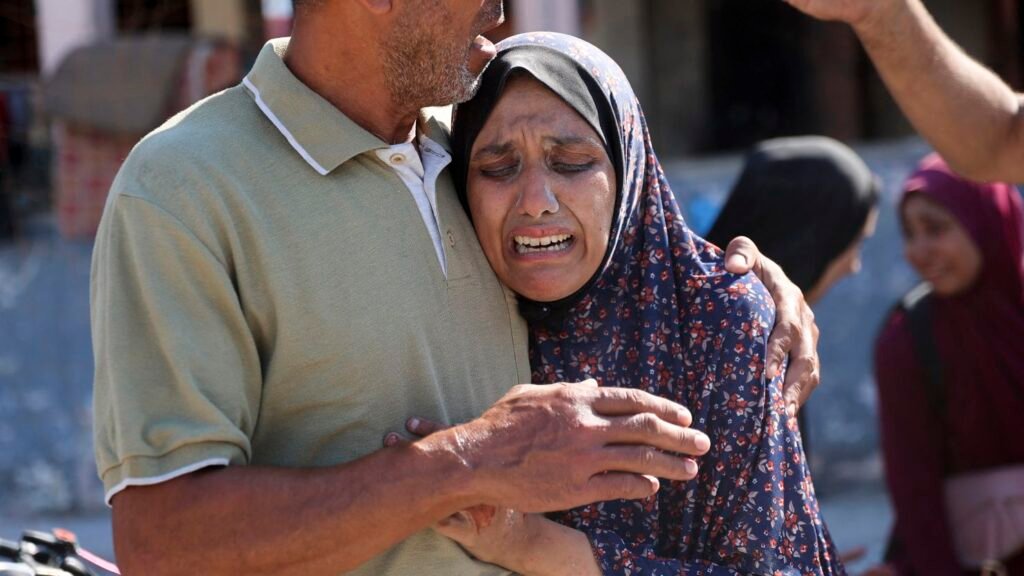
For many residents, daily life inside the tents has become increasingly unbearable. One displaced father from Deir al-Balah described conditions inside his family’s shelter as intolerable during daylight hours, explaining that extreme heat and infestations of insects force his family to spend much of the day outside. He said the soaring temperatures had already caused skin injuries and health problems for members of his household.
Aid agencies are calling for the immediate and sustained entry of shelter materials through all available crossings, alongside increased donor support for summer-specific assistance such as bedding, lightweight clothing, solar-powered fans, lighting equipment, and safe storage solutions.
Humanitarian partners also stress the need for large quantities of approved shelter supplies, including tents, sealing kits, and emergency repair materials, that remain outside Gaza despite being cleared for delivery. They warn that continued delays are preventing relief organizations from responding effectively to the scale of need across the territory.
Relief officials argue that the current situation is preventable and that practical solutions already exist. What remains lacking, they say, is consistent access to humanitarian supplies and the ability to deliver materials to displaced families before the peak of the summer season.
With nearly one million Palestinians still living under canvas and thousands more lacking proper shelter altogether, humanitarian agencies warn that Gaza’s shelter crisis risks becoming even more severe in the coming months unless urgent action is taken to provide families with the protection, dignity, and basic living conditions they desperately need.