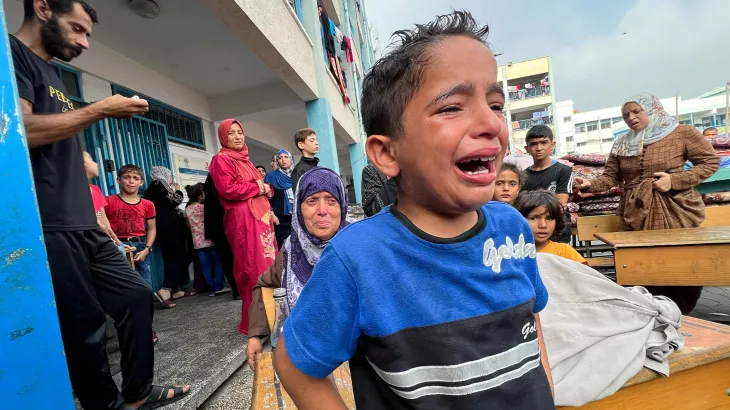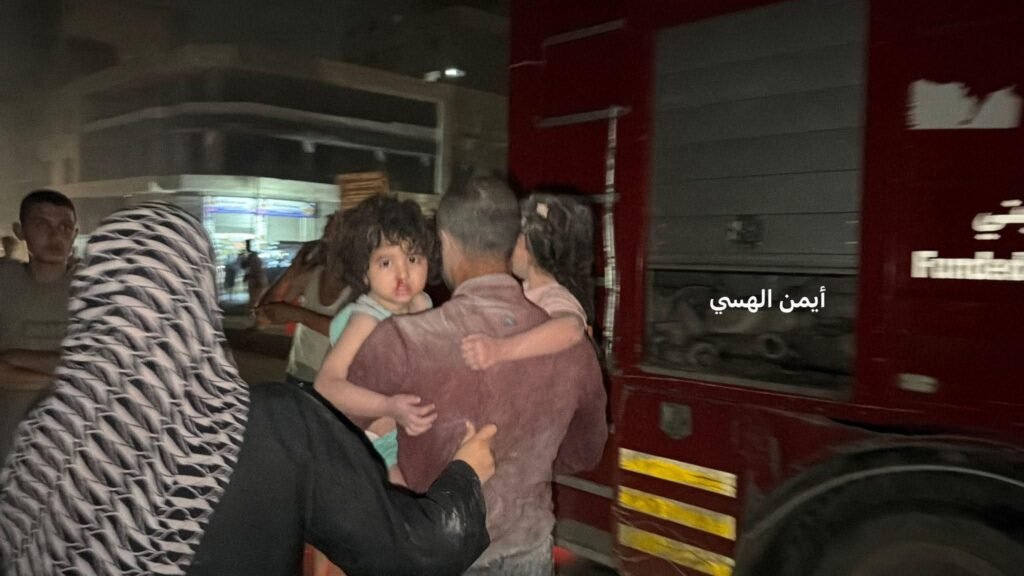
Gaza Herald _More than 1,000 Palestinians have been killed in the Gaza Strip since a ceasefire agreement between Israel and Hamas came into effect in October, highlighting the continued fragility of the truce and the worsening humanitarian conditions facing the enclave’s population.
According to the Palestinian Ministry of Health, Israeli attacks have killed 1,005 Palestinians since the agreement was implemented. The latest figures underscore growing concerns that, despite the reduction in large-scale military operations, civilians in Gaza continue to face deadly violence, displacement, and severe shortages of basic necessities.
Humanitarian organizations say the milestone reflects the ongoing suffering of Palestinians who had hoped the ceasefire would mark the beginning of a meaningful recovery after years of devastating conflict.
Fikr Shalltoot, Gaza Director for Medical Aid for Palestinians, described the situation as another painful chapter in Gaza’s prolonged tragedy. She noted that many families believed the worst phase of the war had ended, only to continue losing loved ones in the months that followed.
Although the agreement significantly reduced major fighting, key provisions of the deal remain unresolved. Negotiations over the second phase, which was expected to address a full Israeli military withdrawal from Gaza and broader political arrangements, have yet to produce an agreement.
Meanwhile, Israeli forces have expanded their presence across large areas of the Gaza Strip. Palestinian and humanitarian sources report that territory under Israeli military control has increased beyond the boundaries originally envisioned under the ceasefire framework, further restricting civilian movement and access to land.
Recent developments in eastern Gaza City have heightened concerns among residents. According to humanitarian agencies, dozens of families were forced to flee their homes after Israeli forces extended the so-called “Yellow Line,” an area near military positions where civilians risk being targeted if they approach.
The issue remains particularly sensitive as thousands of Palestinians attempt to return to neighborhoods they were forced to abandon during the war. Many families now face uncertainty over whether they will be able to access their homes, agricultural lands, or sources of livelihood.
Political disagreements have also stalled progress toward a more comprehensive settlement. Hamas officials have indicated that decisions regarding the future of the group’s military capabilities would require broader discussions involving Palestinian factions, further complicating efforts to move beyond the current ceasefire arrangement.
At the same time, hopes that the truce would accelerate Gaza’s reconstruction have largely gone unrealized. Vast sections of the territory remain in ruins, while efforts to rebuild homes, schools, hospitals, and essential infrastructure continue to face major obstacles.
The healthcare sector remains among the hardest-hit areas. Humanitarian agencies report that only a portion of Gaza’s hospitals remain operational, and even those facilities are functioning under extreme strain due to shortages of medicines, equipment, fuel, and medical personnel. Patients continue to face significant challenges accessing specialized treatment and emergency care.
Aid organizations have repeatedly warned that restrictions on humanitarian access are preventing adequate assistance from reaching the population. Food insecurity, shortages of clean water, limited medical supplies, and inadequate shelter remain widespread concerns affecting hundreds of thousands of displaced Palestinians.
Humanitarian workers argue that a ceasefire alone cannot address Gaza’s crisis without sustained access for aid deliveries, reconstruction materials, and essential services. They warn that the continued blockade and restrictions on movement are contributing to conditions that leave civilians increasingly vulnerable.
Since the beginning of Israel’s war on Gaza in October 2023, more than 73,000 Palestinians have been killed, according to Palestinian health authorities. The conflict has devastated much of the territory, leaving entire neighborhoods destroyed and forcing nearly 1.9 million people from their homes.
As Gaza enters another phase of uncertainty, humanitarian agencies continue to call for stronger international efforts to protect civilians, ensure unrestricted humanitarian access, and support long-term recovery initiatives. For many Palestinians, the promise of peace remains distant as violence, displacement, and hardship continue long after the ceasefire was declared.