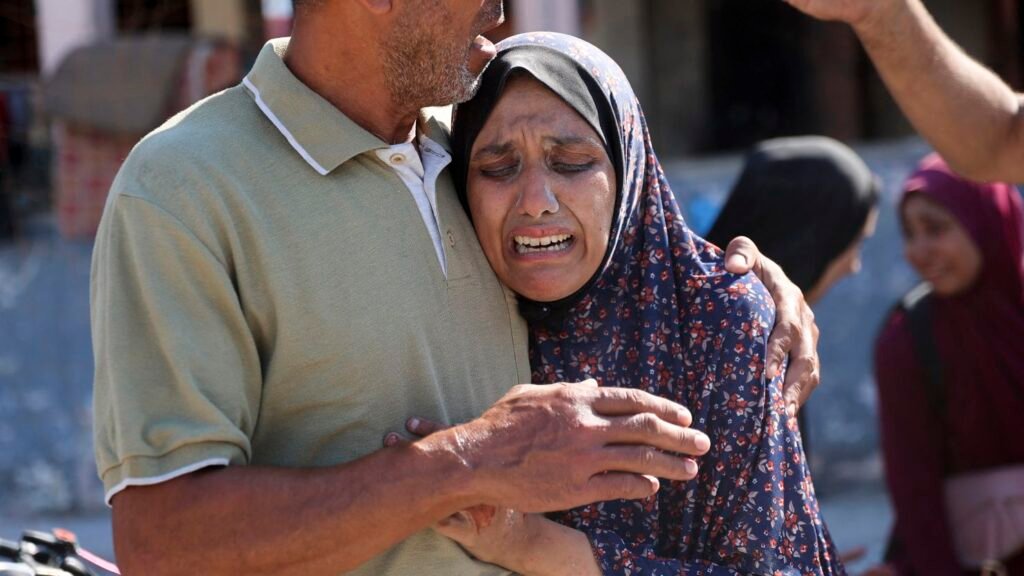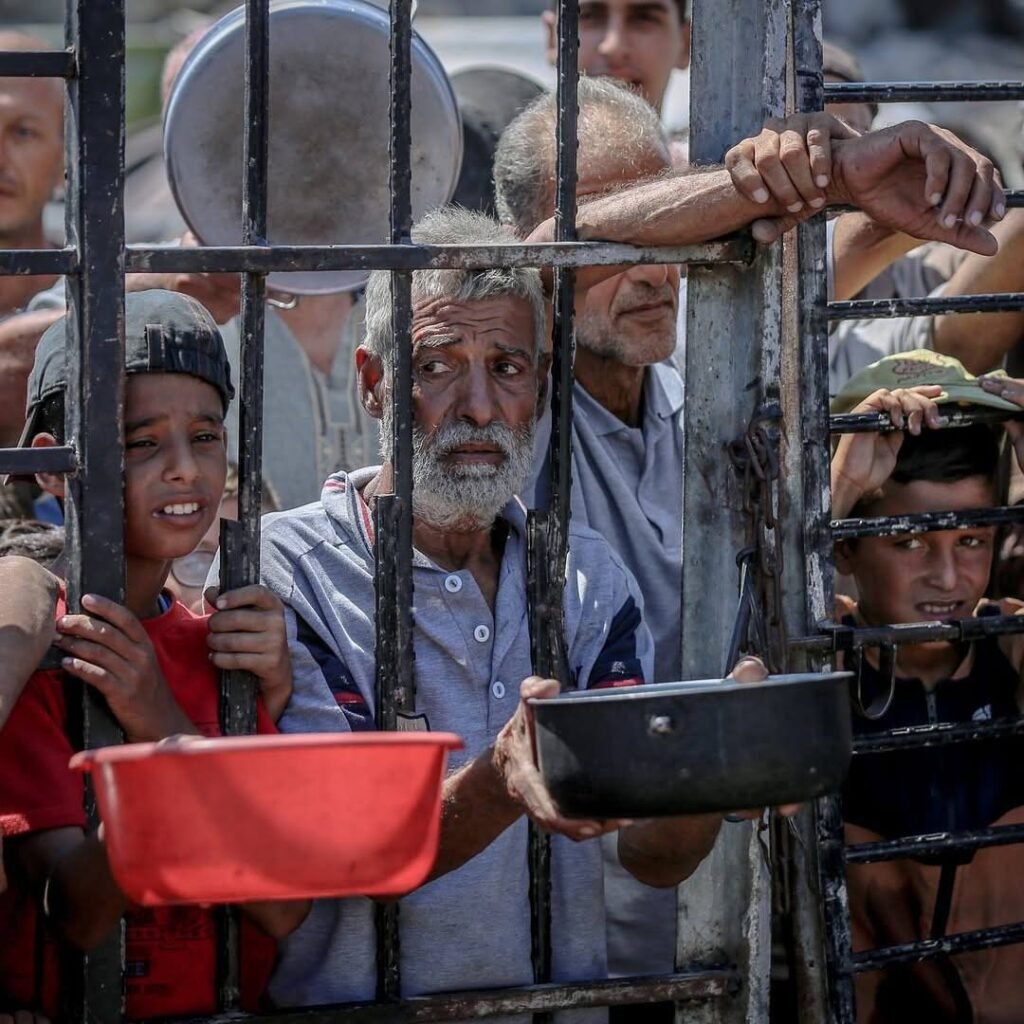
Gaza Herald – While older people around the world spend their later years seeking comfort, stability, and family support, thousands of elderly Palestinians in Gaza face a vastly different reality. For them, tents have become harsh shelters, and old age has turned into a daily struggle against hunger, disease, displacement, and isolation.
Inside overcrowded shelters and makeshift tents, elderly men and women endure chronic illnesses, food shortages, and a lack of essential medication. Many have lost their homes, loved ones, and sense of security, while being repeatedly displaced since the outbreak of war.
In one displacement camp, 61-year-old Mohammed Beili sits in a wheelchair, trying to adapt to a life that bears little resemblance to the one he once knew. Since October 2023, he has been displaced seven times. His battle with kidney failure has become even more difficult after the destruction of the medical center where he regularly received dialysis treatment.
“I suffer from severe stiffness in my arms and muscle weakness because I am not receiving the dialysis sessions I need,” he says.
Over the course of the war and repeated displacement, Mohammed has lost nearly 20 kilograms. Even moving around the camp has become exhausting due to the sandy terrain.
According to a recent health survey conducted by HelpAge International involving 416 elderly people across Gaza, older adults are facing a rapidly worsening health and psychological crisis driven by shortages of food, medicine, shelter, and humanitarian support.
Tents Unfit for Human Life
The survey found that 76% of elderly Palestinians are living in overcrowded tents, while 84% said their current living conditions negatively affect their health and violate their privacy.
Additionally, 79% reported being forcibly displaced more than three times since the war began, leading to the breakdown of family support networks and increasing feelings of loneliness and isolation.
During the winter months, thousands of elderly Palestinians endured cold temperatures, heavy rain, and flooding inside shelters lacking even the most basic necessities. For many, daily movement has become a painful challenge for bodies already weakened by age and illness.
Missing Medicine, Untreated Illnesses
The survey revealed the scale of the healthcare crisis facing older adults in Gaza. Sixty-eight percent said they had reduced or completely stopped taking prescribed medications due to shortages, while 42% reported receiving their medicine only occasionally, and 18% said they rarely received it at all.
According to Gaza’s Health Ministry, 76% of elderly residents suffer from chronic conditions such as diabetes, hypertension, and heart disease, making interruptions in treatment a direct threat to their lives.
By October 2025, fewer than 14 of Gaza’s 36 hospitals were functioning even partially, while rehabilitation services had fallen to less than one-third of their pre-war capacity, according to the World Health Organization.
Hunger Consumes Aging Bodies
The survey found that 11% of elderly respondents had not eaten a single meal during the 24 hours preceding the assessment, while 48% said they routinely reduced their food intake so younger family members could eat.
Ninety-year-old Sadiqa Al-Barawi embodies this struggle. Since being displaced from Beit Lahia, she has lost approximately 25 kilograms and now relies on charity kitchens for survival.
“We used to own land and enjoy fresh, healthy food,” she says. “Now we have nothing.”
Similarly, Samira Al-Shawa, 88, once moved independently with the help of a walker. Today, after losing around 20 kilograms, she spends most of her time lying inside a tent because walking across the sand has become nearly impossible.
The Silent Psychological Toll
Beyond physical suffering, Gaza’s elderly are enduring a profound mental health crisis.
The survey found that 77% reported feelings of grief, anxiety, loneliness, and insomnia severe enough to affect their appetite and overall well-being.
Human rights organizations argue that this suffering is not merely a byproduct of war but a direct consequence of the humanitarian conditions imposed on civilians.
Erika Guevara Rosas, Senior Director for Research at Amnesty International, said that older people in Gaza are experiencing an “unprecedented collapse in both physical and mental health,” while their humanitarian needs remain largely overlooked despite the scale of the crisis.
Numbers That Reflect the Tragedy
Palestinians aged 60 and above make up roughly 5% of Gaza’s population, or approximately 170,000 individuals.
According to Palestinian health authorities, 4,813 elderly Palestinians were killed between October 2023 and the end of 2025, a figure that does not include indirect deaths linked to the collapse of healthcare services.
At Al-Wafa Elderly Care Center in Gaza City, home to around 20 elderly residents without close family support, 15 residents died during the war, while another five reportedly died due to starvation. Staff members warn that those who remain continue to face life-threatening shortages of food and medicine.
Amid these harsh conditions, Gaza’s elderly continue to cling to life with remarkable resilience. Yet for many, old age has become a daily struggle marked by pain, uncertainty, and waiting, an existence they say has pushed them far beyond the limits of endurance.