Gaza Herald — Israel’s latest ground incursion into the besieged Gaza Strip may have formally concluded, yet its destructive impact reaches far beyond the withdrawal of armored vehicles from the targeted zone.
The Israeli assault has forced thousands of Palestinians to flee yet again, severed safe passage along one of Gaza’s primary highways, heightened fears of wider military escalation, and exposed how little real protection the October 2025 ceasefire provides to besieged civilians.
Across a territory where millions remain displaced, and vast swathes are sealed off under Israeli military control, even a brief ground incursion deepens an entrenched humanitarian catastrophe and pushes recovery further out of reach.
The push of Israeli tanks across the shifting Yellow Line, followed by renewed displacement and ongoing gunfire after the operation was declared finished, has intensified the daily terror Palestinians face over where they can safely live, travel, or return. Its consequences radiate well beyond the immediate incursion site, trapping families amid expanding military zones, shattered infrastructure, shrinking living space, and the ever-present threat of another forced expulsion.
Renewed Displacement Deepens Gaza’s Humanitarian Crisis
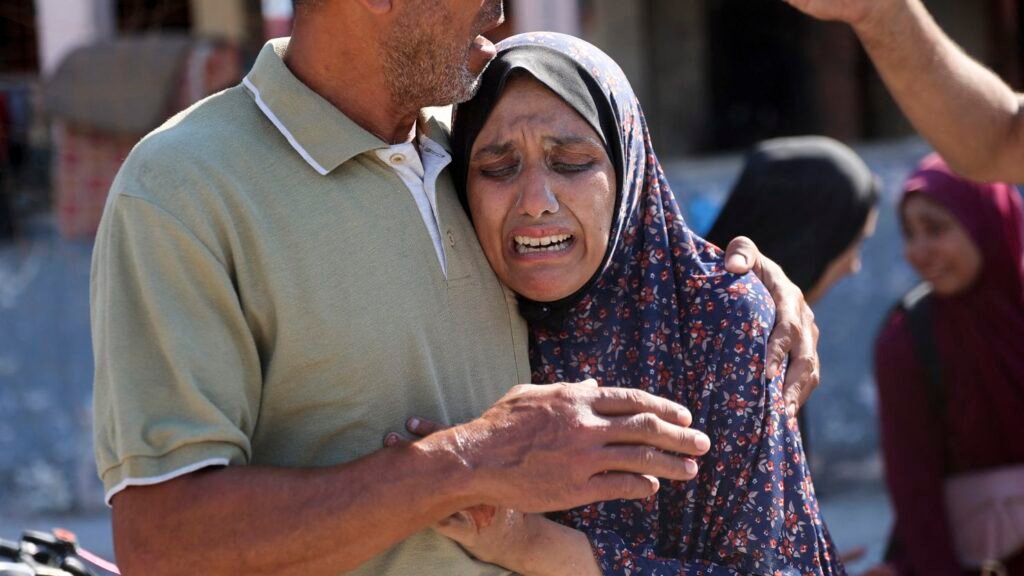
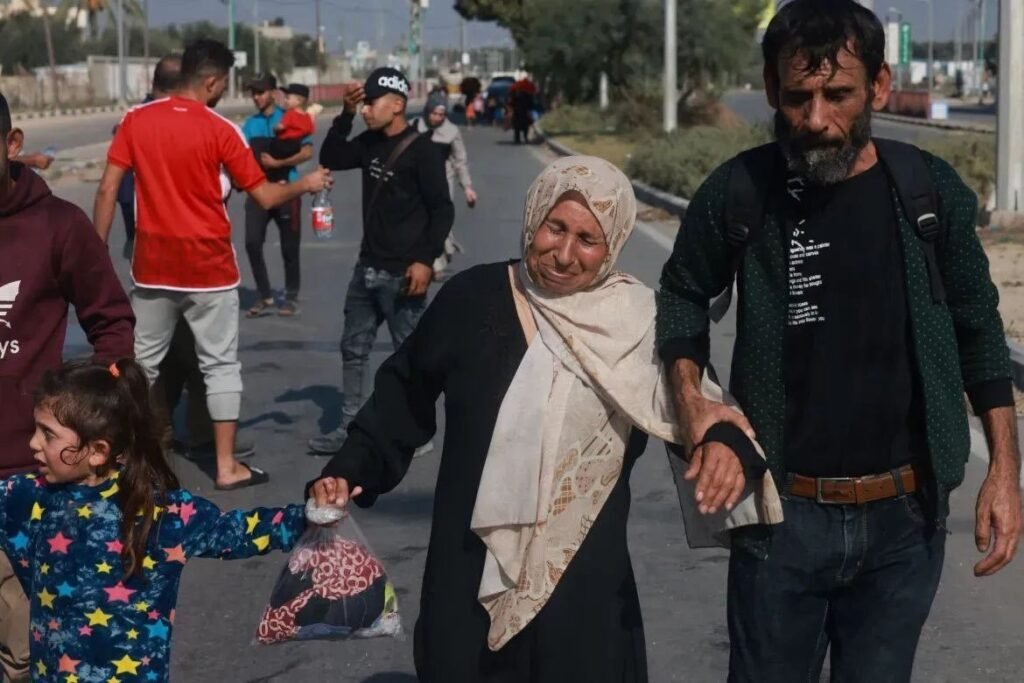
The ground operation triggered another wave of forced displacement, with approximately 6,000 Palestinians fleeing the targeted area within a single day. Families loaded meager belongings onto bicycles, motorcycles, wheelchairs, and makeshift carts, abandoning fragile shelters they had occupied after earlier rounds of displacement.
For survivors, the raid marked yet another violent disruption to fragile attempts at stability inside an enclave where safe ground has virtually disappeared.
Repeated displacement inflicts severe damage far beyond the immediate loss of shelter. Families are forced to abandon food rations, bedding, personal items, and makeshift survival routines. Children lose access to nearby learning spaces, chronically ill or wounded patients are cut off from medical care, and elderly residents or people with disabilities confront perilous journeys across ruined terrain.
Each forced evacuation also compounds the psychological toll of chronic instability. Palestinians subjected to serial displacement cannot know whether a new site will remain safe, whether they will ever be permitted to return home, or when another Israeli assault will force them to flee once more. Declarations that an incursion has ended ring hollow when gunfire persists and movement remains fraught with danger. Where displacement has become a recurring mechanism of daily life, every fresh military operation erodes any remaining sense of home, security, and normal existence.
Salah al-Din Road and the Erosion of Freedom of Movement
The nominal reopening of Salah al-Din Road following the Israeli incursion has failed to restore safe or unimpeded travel. Residents reported ongoing gunfire along the corridor, deterring civilians and vehicles from using the route despite military announcements that traffic could resume.
Disruption along Gaza’s main north-south artery carries severe repercussions for a population struggling to move between districts. Functional roads are vital for reaching hospitals, markets, aid distribution points, displacement camps, and surviving municipal services. When key routes remain under fire or obstructed by military activity, civilian movement becomes hazardous, and the delivery of essential relief faces further delays.
Damage to shelters and sand barriers erected along the highway points to lingering hazards left behind by the operation. Even after troops pull back, battered structures, rubble, restricted zones, and unexploded ordnance can endanger residents and block their return, meaning the fallout from an incursion outlasts the military maneuver itself.
A Ceasefire Increasingly Unable to Contain Escalation
The assault raises acute questions over the viability of the October 2025 ceasefire and its capacity to restrain Israeli military escalation. Intended to halt hostilities and establish a pathway toward stability, the agreement continues to be undermined by ongoing attacks, shifting territorial restrictions, and renewed ground operations that leave civilians exposed to recurring violence.
This latest incursion shows how rapidly conditions unravel despite a nominal truce. Israeli assertions regarding Hamas regrouping and rearming, paired with Hamas’s condemnation of Israeli breaches of the accord, reflect a deeply unstable security and political reality. Each new incursion risks driving additional displacement, obstructing relief operations, wrecking infrastructure, and eroding trust while stalling broader arrangements for Palestinian civil governance, Israeli military withdrawal, stabilization, and reconstruction.
For Palestinians on the ground, the boundary between a ceasefire and active warfare grows increasingly indistinct as military operations persist, casualties mount, and families are repeatedly uprooted. A truce that fails to guarantee freedom of movement, civilian protection, or the right to return home remains perilously close to collapse.
Expanding Military Control and Shrinking Gaza’s Living Space
The operation unfolds across an increasingly fragmented Gaza Strip, where Israeli occupation forces occupy large expanses of territory and confine most Palestinians into a compressed geographic area. The incursion reinforces fears that military boundaries and access bans are steadily reshaping where Palestinians can live, farm, and travel inside the enclave.
With large portions of Gaza inaccessible to their rightful inhabitants, remaining areas face acute overcrowding, damaged utilities, scarce shelter, and strained basic services. Even temporary incursions destabilize communities further and entrench territorial fragmentation. Because Gaza’s residents have no breathing room to recover between successive shocks, families cannot rebuild homes, restore livelihoods, or establish stability while access to neighborhoods remains barred and the threat of renewed military action looms.
Israel’s latest ground incursion may have officially ended, yet the displacement it sparked, the disruption to movement, the fear it reignited, and the uncertainty it entrenched continue to define life across Gaza. For thousands of Palestinians forced to flee once again, the end of a military operation does not bring safety, it means waiting inside another fragile shelter, unsure whether home can ever be reached again or when the next incursion will strip away what little remains.