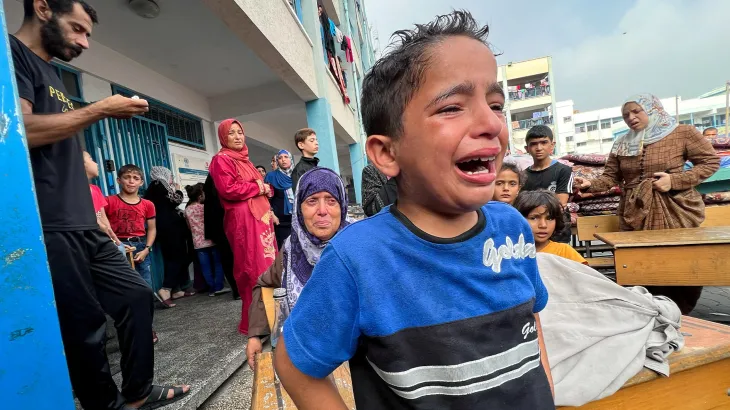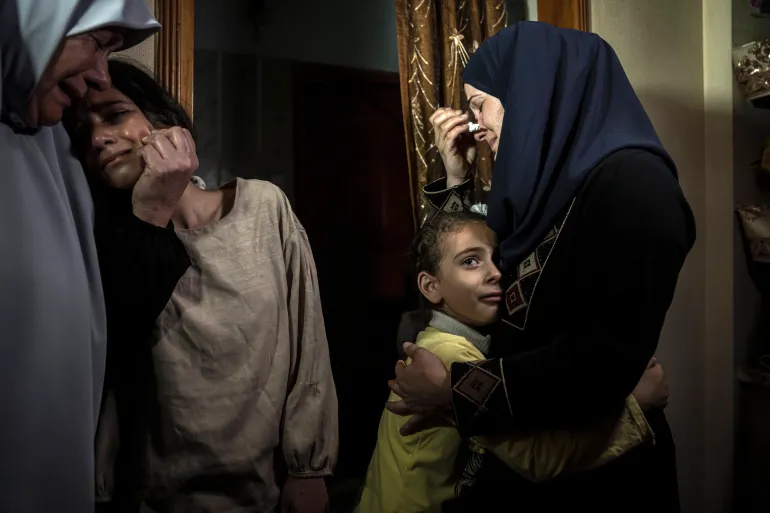
Gaza Herald — Overcrowded displacement camps and flood-ravaged tent cities across the Gaza Strip have transformed into lethal breeding grounds for infectious diseases, trapping more than one million displaced children in an escalating, life-threatening health crisis.
Beyond the perpetual threat of Israeli military bombardment, enforced displacement, and the destruction of residential neighborhoods, Gaza’s youngest population is now suffering from severe outbreaks of bacterial meningitis, epidemic skin conditions, acute respiratory infections, and watery diarrhea.
Fueled by engineered starvation, raw sewage pooling between tattered shelters, uncollected refuse, and a blockaded healthcare sector systematically stripped of diagnostic supplies, preventable illnesses are turning into swift death sentences for infants across the besieged enclave.
Fatal Bacterial Meningitis Outbreaks Strikefast in Overcrowded Displacement Shelters
Bacterial meningitis has emerged as one of the most alarming clinical threats confronting pediatric wards across Gaza’s remaining operational hospitals. Dr. Ahmed Al-Farra, head of the Pediatrics and Maternity Department at Nasser Medical Complex in southern Gaza, confirmed that his department recorded 15 severe pediatric cases of bacterial meningitis within a brief period, with four infants dying in intensive care after developing unstoppable sepsis.
Gaza’s Ministry of Health records approximately 20 cases of meningitis every month across the Strip, with medical specialists warning of a sharp rise in dangerous bacterial strains specifically targeting infants between one and three months old.
The extreme danger of bacterial meningitis lies in its rapid progression and high fatality rate, particularly when siege restrictions delay diagnostic testing and targeted antibiotic treatments.
Medical specialists emphasize that delays in detecting bacterial strains lead directly to catastrophic neurological damage, including total hearing loss, permanent vision impairment, severe cognitive disabilities, and death. Parents residing in crowded displacement camps are urged to monitor infants for critical warning signs, including sudden high fevers, persistent projectile vomiting, continuous high-pitched crying, extreme irritability, seizures, reduced consciousness, and a bulging fontanelle, the soft spot on an infant’s head that indicates dangerous intracranial pressure.
UN and International Medical Reports Document Enclave-Wide Epidemic Outbreaks
The rapid spread of bacterial meningitis represents only one devastating facet of a comprehensive, enclave-wide health collapse documented by international agencies monitoring Gaza’s displacement centers. A comprehensive situation report published by the United Nations Office for the Coordination of Humanitarian Affairs (OCHA) revealed that acute respiratory infections accounted for an astounding 60 percent of all clinical consultations conducted across remaining healthcare points.
This was followed by widespread skin conditions at 21 percent and acute watery diarrhea at 18 percent, illustrating that Gaza’s pediatric population is fighting multiple overlapping epidemics simultaneously.
Field data compiled by Doctors Without Borders (MSF) demonstrates the massive scale of skin disease transmission across crowded camps, where scabies, lice, impetigo, and severe fungal infections flourish due to an utter lack of clean water and basic hygiene supplies. Between January and March alone, skin conditions accounted for 17 percent of all clinical consultations across three MSF facilities, totaling 11,817 patient visits.
Children under five years old comprised nearly one-quarter of all documented skin disease cases, with severe scabies generating 3,225 separate medical consultations. Because displaced families share cramped living spaces, worn bedding, and contaminated clothing, reinfection rates remain exceptionally high even after patients receive temporary topical treatments.
Severe Malnutrition and Environmental Collapse Accelerate Child Mortality
The compounding environmental and living conditions across Gaza’s makeshift shelter zones continuously accelerate disease transmission while systematically weakening children’s physical ability to survive infection. Overcrowded tents offer zero ventilation or space to isolate contagious family members, while severe water shortages prevent mothers from washing hands, laundering clothes, or sanitizing eating utensils.
Simultaneously, tons of uncollected municipal waste and raw sewage channels running adjacent to residential tents attract insect vectors and rodents, creating an ideal environment for pathogenic bacteria to thrive and infect defenseless children.
These severe environmental hazards are directly compounded by widespread acute malnutrition resulting from Israel’s ongoing food and aid blockade. Malnutrition severely weakens the human immune system, stripping infants and young children of essential antibodies and rendering their bodies completely incapable of fighting off common bacterial and viral pathogens. When malnourished children contract respiratory viruses or bacterial infections, their condition deteriorates rapidly into severe sepsis or organ failure.
This fatal progression is further accelerated by the collapse of Gaza’s pharmaceutical supply chains, which leaves hospitals without basic antibiotics, fever-reducing medications, or intravenous fluids needed for emergency resuscitation.
Diagnostic Paralysis and Severe Blockade Exacerbate Hospital Collapse
Efforts to contain and treat infectious outbreaks across Gaza are severely crippled by the physical destruction of healthcare infrastructure and strict Israeli blockades on essential diagnostic laboratory supplies. Official health data indicates that 52 percent of Gaza’s laboratory machinery has been destroyed by military attacks, while 30 percent of the remaining diagnostic equipment suffers from repeated operational breakdowns with zero spare parts allowed into the Strip for repairs. Furthermore, 76 percent of essential laboratory testing reagents, including blood culture bottles, chemical reagents, and diagnostic kits, are completely out of stock across the enclave.
Deprived of chemical reagents and functional laboratory equipment, doctors inside Gaza’s overcrowded hospitals are forced to make critical treatment decisions entirely blindly. Without laboratory confirmation, medical personnel cannot differentiate between viral and bacterial meningitis, nor can they identify specific antibiotic resistance profiles in septic children. This diagnostic paralysis leads to delayed clinical interventions, inappropriate medication administration, and ultimately preventable infant deaths inside pediatric wards that lack basic operational supplies, functional oxygen generators, and reliable electrical power.
Urgent Structural Interventions Required to Prevent Mass Pediatric Casualties
Gaza’s Ministry of Health and international humanitarian organizations emphasize that containing the catastrophic spread of infectious diseases cannot be achieved through sporadic medical aid alone. Halting the daily deaths of Palestinian children requires an immediate, comprehensive halt to military hostilities, the total lifting of the illegal Israeli siege, and the unconditional opening of border crossings to allow the continuous entry of clean water equipment, fuel, municipal waste management supplies, and specialized pharmaceutical shipments.
Without immediate international pressure to compel the entry of essential medical supplies, repair damaged sewage networks, and provide secure, weatherized housing for displaced families, infectious diseases will continue to claim the lives of thousands of Gaza’s children. As winter weather brings torrential rains and freezing temperatures to flooded tent camps, the combination of engineered starvation, environmental destruction, and healthcare collapse threatens to turn largely preventable childhood illnesses into an unprecedented mass mortality crisis across the Gaza Strip.