Gaza Herald – The International Energy Agency has warned of the severe consequences of declining natural gas reserves in Europe reaching their lowest levels since 2013. This critical situation coincides with the onset of the winter heating season for 2026-2027. The agency indicated that the reduction in these reserves could prolong supply shortages in global markets until 2027.
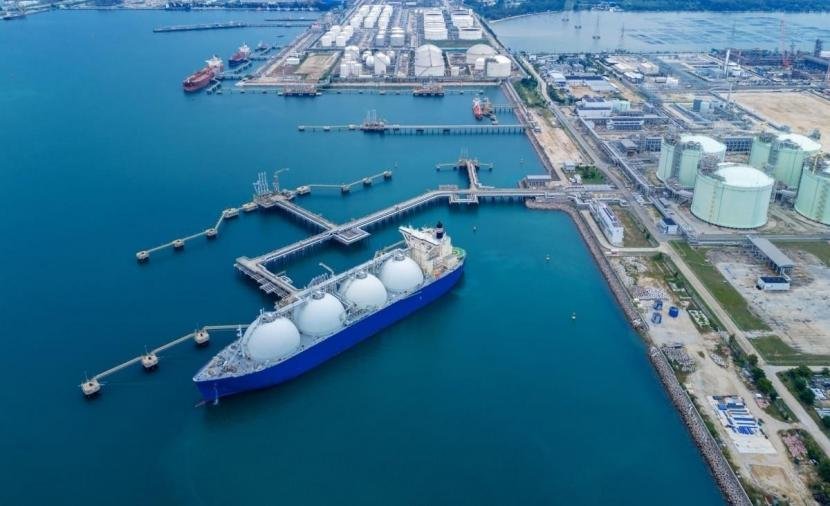
In its report titled “Global Gas Security Review 2026,” released on Tuesday, the agency stated that lower storage levels will increase European countries’ reliance on liquefied natural gas imports to meet demand during peak winter consumption periods. This dependency makes them more vulnerable to any additional supply disruptions or colder-than-expected cold waves.
The agency predicted a decline in global LNG supplies by 3 percent during 2026, equivalent to approximately 20 billion cubic meters. This represents the largest annual recorded decrease. Global demand for gas is expected to fall by about 1.5 percent, or roughly 65 billion cubic meters. This drop is attributed to reduced consumption in the Middle East and the European industrial sector, alongside several Asian nations switching from gas to coal for electricity generation due to rising prices and falling supplies.
According to the report, the actual halt of LNG flows through the Strait of Hormuz between March and October last year led to a reduction in shipments from Qatar and the UAE by more than 60 billion cubic meters compared to the same period last year. This caused significant pressure on Asian and European markets.
The agency warned that declining European reserves, combined with limited storage capacities among several LNG-importing countries in Asia and South America, will intensify competition for available shipments in the coming months. This dynamic is likely to push spot prices higher, particularly during peak demand periods.
The crisis gains additional importance amid ongoing disruptions in global energy supplies, especially as LNG shipments continue to be disrupted through the Strait of Hormuz, which previously handled about 20 percent of global LNG supplies. According to IEA estimates, EU gas reserves could fall below 10 percent of storage capacity by the end of March 2027 if supply disruptions persist and the winter proves colder than average.
In Germany, the largest gas storage market in the EU, storage levels reached approximately 61 percent on November 2, marking the lowest recorded level. This contrasts with an European average of about 74.5 percent, according to Reuters data. The agency believes that continued reserve declines will force Europe to import larger quantities of LNG during summer 2027 to refill stores for the following winter, keeping global markets under pressure and delaying supply-demand balance improvements.
This report was produced in the Gaza Herald newsroom.