
Gaza Herald _ Under the guise of prior warnings and civilian evacuations, the Israeli intelligence apparatus has increasingly weaponized pre-strike communications into an instrument of coercion and extrajudicial targeted execution.
From the crowded shelters of Gaza to the residential blocks of Beirut, phone calls from Shin Bet officers and unknown numbers have forced targeted individuals into impossible choices, demanding they expose themselves to lethal strikes or risk the immediate destruction of their families. By examining recurring patterns in Gaza and Lebanon, a chilling strategy emerges: one where psychological warfare and threats against loved ones are systematically deployed to bypass counter-surveillance and guarantee lethal results.
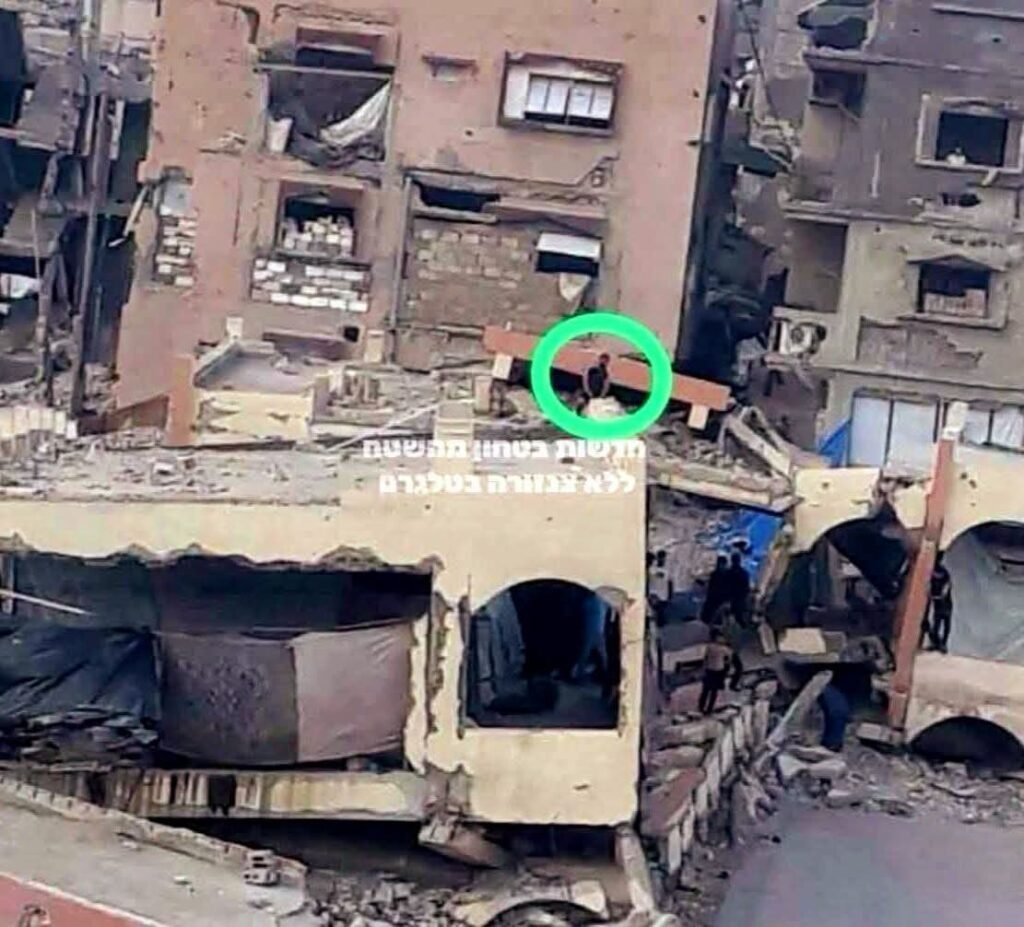
In a striking illustration of the Israeli occupation’s cruel tactics against Palestinians in Gaza, Mohammad Aliyan Al-Bayouk was martyred in an Israeli airstrike in Khan Younis after receiving an ultimatum from a Shin Bet officer. Placed in an agonizing position, Al-Bayouk was given a choice: remain inside a shelter with his family and risk having them bombed alongside him, or sacrifice himself alone on the building’s roof.
Israeli outlets, including Yedioth Ahronoth, confirmed that Al-Bayouk chose to step away from his loved ones to protect them, ascending to the roof of a displacement center before an Israeli drone struck him with a missile. A female relative was critically injured while attempting to prevent him from walking to his death.
Psychological Warfare and Systemic Coercion
Field reports highlight that the Israeli military frequently uses threats against family members as a tool of psychological warfare, coercing individuals to expose themselves to targeted strikes. Relatives and witnesses confirmed that targeted Palestinians often comply out of desperation to keep their families safe. This tactic reflects similar methods used by Israeli interrogators against Palestinian prisoners, who face threats regarding the safety of their families or are shown images of martyred relatives to break their resolve.
While Israeli security officials claim these calls serve as humanitarian warnings to evacuate structures containing military assets, observers and field sources view the practice as extrajudicial execution and psychological warfare. These tactics routinely fail to protect civilians, as Israel continues its heavy bombardment across the region. Recent strikes on a vehicle in Maghazi camp and attacks in Saftawi highlight ongoing violations of ceasefires, leaving more civilians dead and wounded.
A Pattern of Deception Across Gaza and Lebanon
This practice of using phone calls prior to strikes has a long history. In November 2012, Khalid Azzam received a call minutes before an Israeli strike on his Gaza home. Though he managed to evacuate dozens of occupants, subsequent airstrikes destroyed his home and four neighboring houses, killing three young children from the Abu Zo’or family, Sahar, Nisma, and three-year-old Mohammad. While framed by Israeli forces as “roof knocking” or prior warning, these operations frequently result in civilian carnage and widespread destruction.
Similar coercion and intelligence manipulation have been documented in Lebanon. In July 2024, senior Hezbollah figure Fuad Shukr received a call directing him from his office to a seventh-floor apartment, making him vulnerable to a precise Israeli strike that killed him, his wife, two women, and two children. In other instances, such as the November 2023 strike in Beit Yahoun or deceptive calls to residents in Khiam, phone contacts have been used to track human movement and confirm target locations moments before lethal strikes are launched.

