Gaza Herald — A’dayah for Prisoners and Former Prisoners has warned of growing health and humanitarian risks stemming from the rampant spread of scabies among Palestinian men and women held in Israeli prisons, citing the deliberate denial of essential medical care and hygiene supplies.
In documented findings, the organization revealed a severe deterioration in the health of female prisoners held at Damon Prison. Scabies infections have caused widespread skin lesions and persistent suffering, compounded by the complete absence of effective medical treatment.
Among the documented cases is 55-year-old Maha Abdul Rahman Rifai from the town of Anata, who suffers from an advanced infection that has caused intense itching, deep skin wounds, and persistent bleeding. Deprived of sleep and denied a complete course of medical care, her condition continues to worsen.
The organization also documented the infection of 23-year-old Zikra Raafat Saeed Nasser from Deir Sharaf, near Nablus, noting that she has similarly been denied effective medical intervention.
A’dayah emphasized that recurring skin disease outbreaks across Israeli detention facilities reflect the systemic collapse of basic hygiene standards, including restricted access to clean clothing, soap, and water. The group warned that without immediate medical containment, the crisis could result in a widespread health catastrophe across the prison system.
It appealed to international human rights, humanitarian, and medical institutions to intervene urgently, pressuring Israeli authorities to guarantee prisoners’ fundamental rights to medical treatment and dignified living conditions.
Biological Torment: Hygiene Deprivation as Punitive Policy
Data from Palestinian prisoner advocacy organizations indicates that scabies began spreading through Israeli prisons months ago, fueled by the deliberate withholding of basic sanitary products.
Testimonies from released detainees and legal visits detail restrictive measures imposed by the Israeli Prison Service, including:
Confiscation of laundry detergent, soap, and basic hygiene tools.
Severe restrictions on shower times and frequent, extended water shutoffs.
Depriving prisoners of clean clothing, leaving many with only a single set of damp, worn garments.
Bans on drying washed clothes outside cells, creating high-humidity environments where skin parasites thrive.
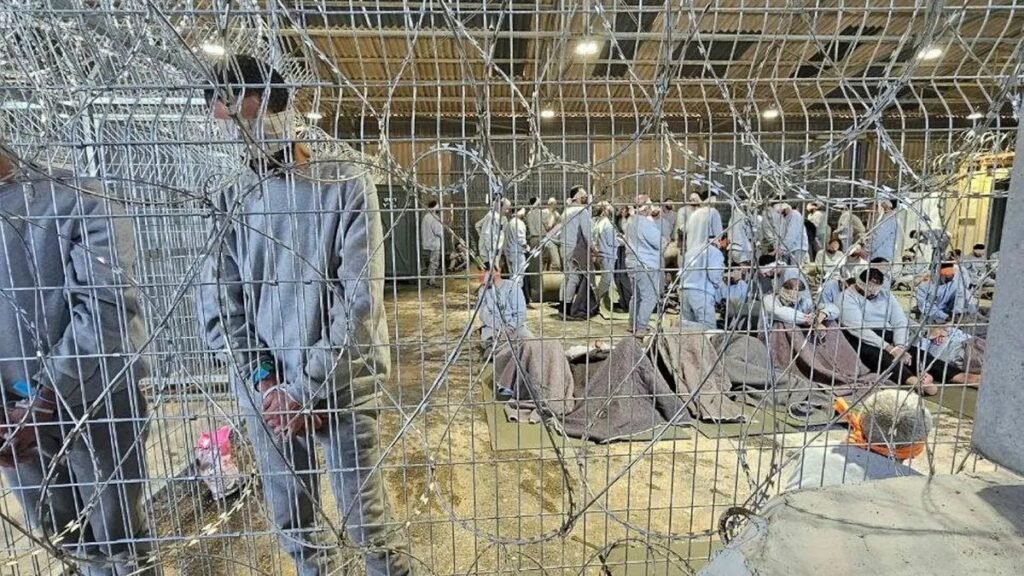
Extremely overcrowded and poorly ventilated cells exacerbate transmission rates. Large numbers of prisoners are routinely confined in cramped spaces alongside actively infected individuals. The resulting constant pain, open sores, and acute sleep deprivation inflict severe physical and psychological strain.
Rights groups accuse the Israeli Prison Service of using infectious disease as an instrument of psychological and physical punishment, withholding prescribed anti-parasitic ointments, systemic medications, and necessary antibiotics.
According to figures from Palestinian prisoner organizations, Israeli authorities currently detain approximately 9,400 Palestinians across more than 23 prisons, detention centers, and interrogation facilities. These include around 90 female prisoners, 380 children, and thousands held under administrative detention without charge or trial, all facing acute health hazards under continuing restrictive policies.