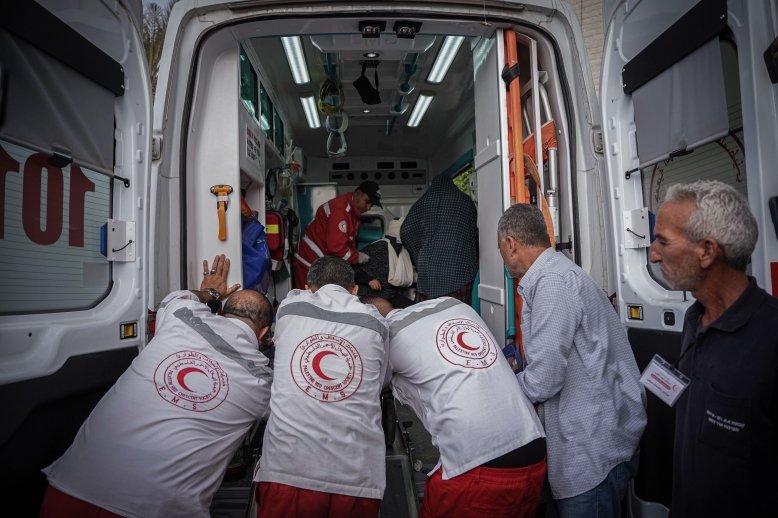
Gaza Herald — In Gaza, access to treatment is no longer determined only by whether a doctor or hospital is available. It increasingly depends on whether essential medicines and medical supplies can reach patients in time. As restrictions on humanitarian deliveries continue, the World Health Organization is warning that repeated delays in the entry of lifesaving medicines, prosthetic limbs and other health supplies are leaving thousands of Palestinians without the care they urgently need.
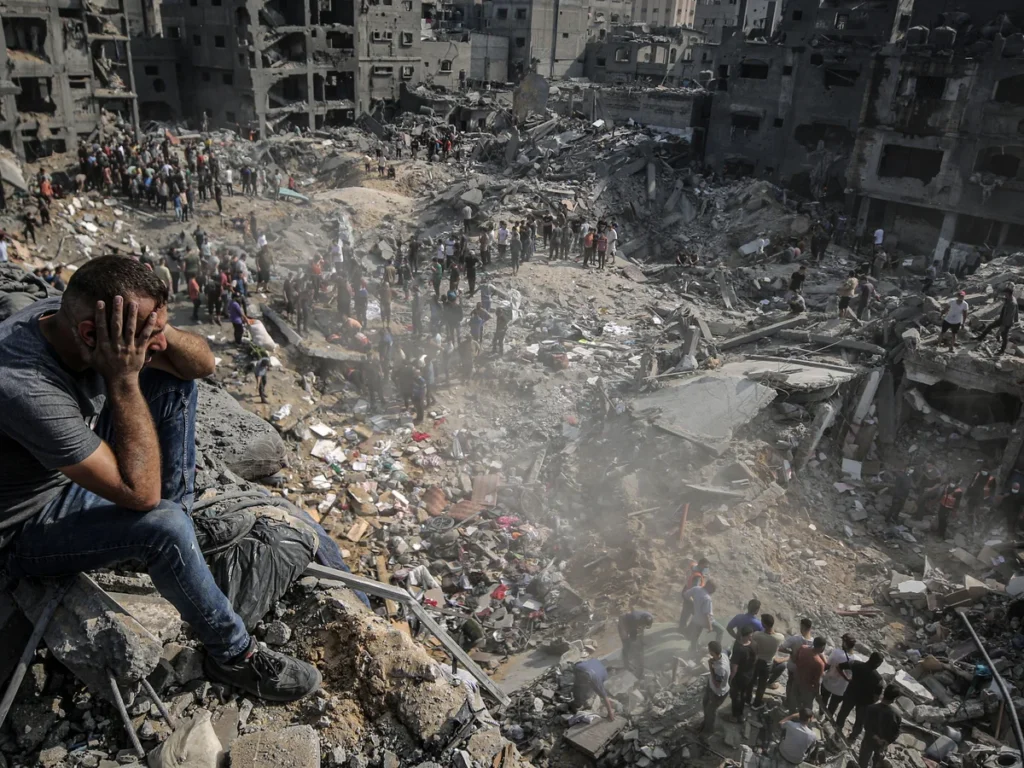
At the same time, Israeli forces continue military operations across parts of the Gaza Strip, including the demolition of residential buildings and gunfire toward populated areas. With winter approaching, the shortage of adequate shelter, clean water, and basic sanitation is adding another layer of health risks for a population already struggling to survive.
Treatment Exists, But It Cannot Reach Patients.
The World Health Organization has warned that repeated delays in bringing medical supplies into Gaza could have serious consequences for patients, particularly those who depend on essential medicines, equipment or rehabilitation services to survive or regain their mobility.
Dr. Reinhold van de Weerdt, the WHO representative in the occupied Palestinian territory, said that delivering trucks loaded with lower-priority supplies while essential items arrive too late does not save lives.
The organization has called on Israeli authorities to ease restrictions on medical supplies, stressing that essential medicines should not be classified as “dual-use” materials and blocked because Hamas fighters could potentially use them.
Van de Weerdt said the medical supplies requested by the organization are based on internationally recognized standards and include equipment and materials required by hospitals and clinics to provide basic healthcare.
The problem extends far beyond medicines. A shipment containing prosthetic limbs and assistive devices was rejected four times over the past six months, according to the WHO representative. Each rejection creates another delay for someone who has already lost a limb and is simply waiting for the chance to walk again.
Patients Wait as Medical Needs Pile Up
The WHO says the volume of supplies reaching medical teams in Gaza remains far below actual needs, leaving an insufficient number of patients able to receive the care they require.
The crisis does not affect only those currently inside hospitals. Thousands of injured Palestinians need long-term treatment, rehabilitation, assistive devices, and prosthetic limbs.
In a territory where large parts of the healthcare infrastructure have been damaged or destroyed, every additional delay can turn a treatable condition into a permanent disability or make a manageable illness far more dangerous.
The WHO is calling for humanitarian and health supplies to enter Gaza at scale, smoothly and without obstruction or delay. It is also urging the establishment of a system that allows aid to enter through multiple crossings rather than relying on a limited number of access points.
The demands come as the UN Office for the Coordination of Humanitarian Affairs continues to describe conditions in Gaza, a year after the announcement of the ceasefire, as beyond what the population can withstand.
Approved aid continues to enter through the Kerem Shalom crossing, while the Rafah crossing remains limited to the movement of people, including patients requiring medical treatment outside Gaza. Four other major crossings for humanitarian deliveries remain closed.
Winter Opens Another Health Front
As winter approaches, the WHO says the medical supply crisis cannot be separated from the shelter crisis.
Nearly two million people in Gaza need shelter capable of protecting them from cold weather, rain and flooding, while many continue to live in tents or damaged buildings that provide little meaningful protection.
In such conditions, stagnant water, inadequate access to clean water, poor sanitation and overcrowded shelters can increase the risk of preventable diseases.
The WHO has also warned of growing risks associated with the spread of rodents, which can transmit infections through bites, while Gaza’s ability to monitor and respond to outbreaks has been weakened by damage to public health laboratories and other medical facilities.
Palestinians are entering another winter facing multiple overlapping threats: shortages of medicines, inadequate shelter, limited access to clean water, damaged healthcare services and reduced capacity to detect and respond to disease outbreaks.
When Delay Becomes Part of the Crisis
In Gaza, the medical supply shortage cannot be measured only by the number of trucks that fail to enter. It must also be measured by the patients waiting for treatment, children requiring continuous care, amputees waiting for prosthetic limbs, and people whose conditions cannot withstand another delay.
The WHO has stressed that medical supplies arriving after they are needed fail to fulfill their humanitarian purpose. A lifesaving medicine loses its value when it arrives after a patient’s condition has deteriorated, just as a prosthetic limb cannot restore mobility while remaining stranded outside the territory as its intended recipient waits for the chance to stand and walk again.
As winter approaches, the crisis is expanding beyond hospitals into tents, shelters and streets. Gaza’s health, food and shelter needs can no longer be treated as separate emergencies; they have become interconnected parts of a single humanitarian crisis that deepens whenever supplies are delayed, and access routes are restricted.
What the WHO is demanding is not a luxury or privilege: it is the basic delivery of medicines, medical equipment, shelter, clean water and humanitarian supplies to civilians when they need them.
In Gaza, the difference between an aid shipment arriving today and arriving weeks later can be the difference between a condition that can still be treated, a disability that becomes permanent, and a life that could have been saved.