Gaza Herald — Repeated closures of Gaza’s land crossings severely restricted the movement of Palestinians and the entry of essential supplies throughout September 2026, according to monthly figures released by the Gaza Crossings and Borders Authority.
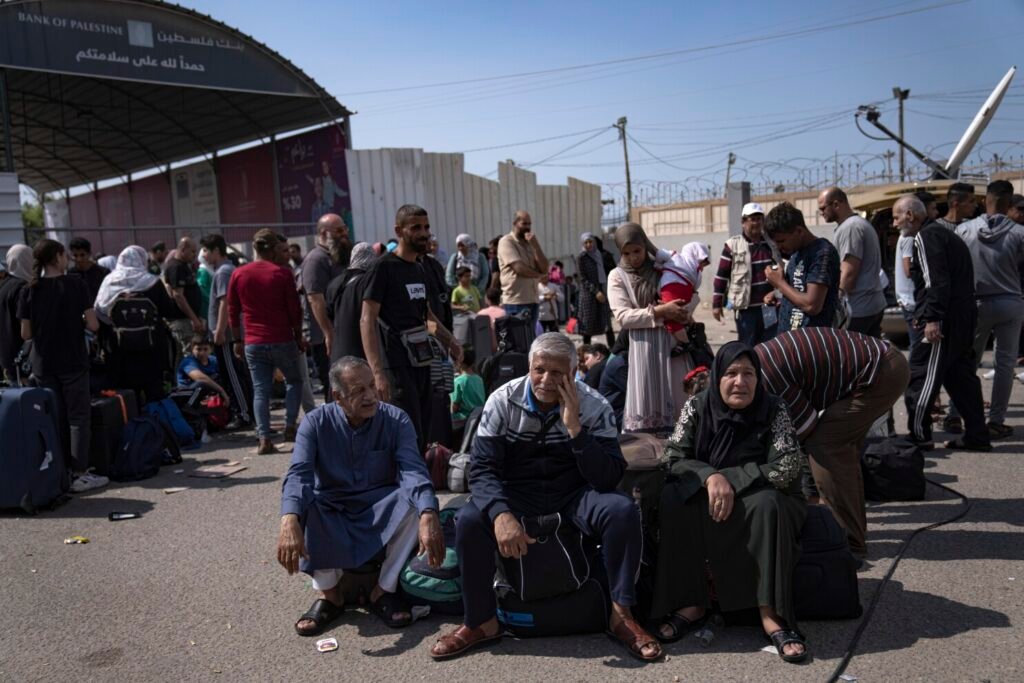
The report, released Thursday, shows that the Rafah land crossing was open to passenger traffic for only 10 of the month’s 30 days and remained closed for 20 days, a closure rate of 66.6 percent.
Kerem Shalom, which was also used for passenger movement, operated for only four days and was closed for 26 days, representing a closure rate of 86.6 percent.
As a result of the restrictions, just 1,197 Palestinians were able to leave Gaza during the entire month, while 956 people returned to the Strip.
Among those who departed were 485 patients traveling for medical treatment, accompanied by 547 escorts, while another 165 people left as part of evacuation operations.
The figures mean that an average of only around 16 patients per day were able to leave Gaza for medical treatment during September.
The report recorded no passenger movement between the Gaza Strip and the occupied West Bank.
Commercial and humanitarian access also remained concentrated through a single crossing. Zikim and Kissufim remained closed to truck traffic throughout all 30 days of September, while Kerem Shalom operated for 27 days and was closed for three.
A total of 5,265 trucks entered Gaza through Kerem Shalom during the month. According to the report, these included 3,781 commercial trucks, 1,244 humanitarian and relief trucks, and 240 fuel trucks.
However, the breakdown of incoming supplies highlights severe shortages in several sectors crucial to Palestinians living amid widespread displacement and destruction.
Only 139 trucks carrying shelter and emergency-relief supplies entered Gaza during September — fewer than five per day on average. Just five trucks carrying zinc sheets, used for repairing damaged roofs and makeshift shelters, were permitted to enter.
The report also recorded 104 trucks carrying medical and health supplies, despite the continuing needs of Gaza’s health sector.
Fuel deliveries remained particularly limited. Only six trucks carrying gasoline entered Gaza during the entire 30-day period. Another 147 trucks carried diesel, while 87 transported cooking gas, bringing the total number of fuel trucks to 240.
Food accounted for the largest share of incoming goods, with 3,450 trucks carrying food and basic provisions, while 1,273 carried consumer goods and household supplies. Another 45 trucks carried animal feed and agricultural seeds, and nine water tankers entered during the month.
The Crossings and Borders Authority said the figures demonstrate the continuing restrictions affecting passenger movement and the entry of humanitarian aid, shelter materials, medical supplies, fuel and other essential goods into Gaza.
With Rafah closed for two-thirds of September, other passenger movement severely restricted, and Zikim and Kissufim closed to commercial traffic throughout the month, Gaza remained heavily dependent on Kerem Shalom as its principal functioning route for incoming supplies.
For Gaza’s patients, displaced families and essential services, the figures show that access to the outside world and to critical supplies remained severely constrained throughout September.