Gaza Herald — As Israeli political parties gear up for national elections, media coverage routinely frames the vote as a defining referendum on the country’s democratic direction. Yet, for more than two million Palestinians surviving under siege in the Gaza Strip, this electoral process is a stark reminder of an undeniable reality: Israel’s political spectrum, from the far-right to the opposition, is united in maintaining military domination, territorial control, and the systemic dismantling of Palestinian life.
Rather than offering a genuine policy alternative, the campaign trails treat Gaza as a bargaining chip for domestic political leverage. The debate among major political factions does not center on ending military occupation or upholding international human rights law, but rather on refining the mechanics of demographic control, forced displacement, and military containment.
The Myth of Electoral Opposition
Mainstream media commentary frequently contrasts Prime Minister Benjamin Netanyahu’s far-right administration with opposition figures like Gadi Eisenkot. Yet, a critical analysis of Israel’s institutional consensus reveals that this binary is largely superficial. As a former military chief of staff who served in the war cabinet, Eisenkot represents the continuation of a decades-long security doctrine rooted in military dominance and the explicit denial of Palestinian statehood. While political rhetoric may vary in tone between parties, their core strategic objectives remain structurally aligned across three key pillars: demographic engineering through the permanent removal of Palestinians under the euphemism of “voluntary emigration,” weaponized deprivation that systematically restricts food, medical supplies, and shelter to create unlivable conditions, and total political erasure that treats the complete disenfranchisement of Palestinians as an essential prerequisite for Israeli state security.
Forced Displacement as State Strategy
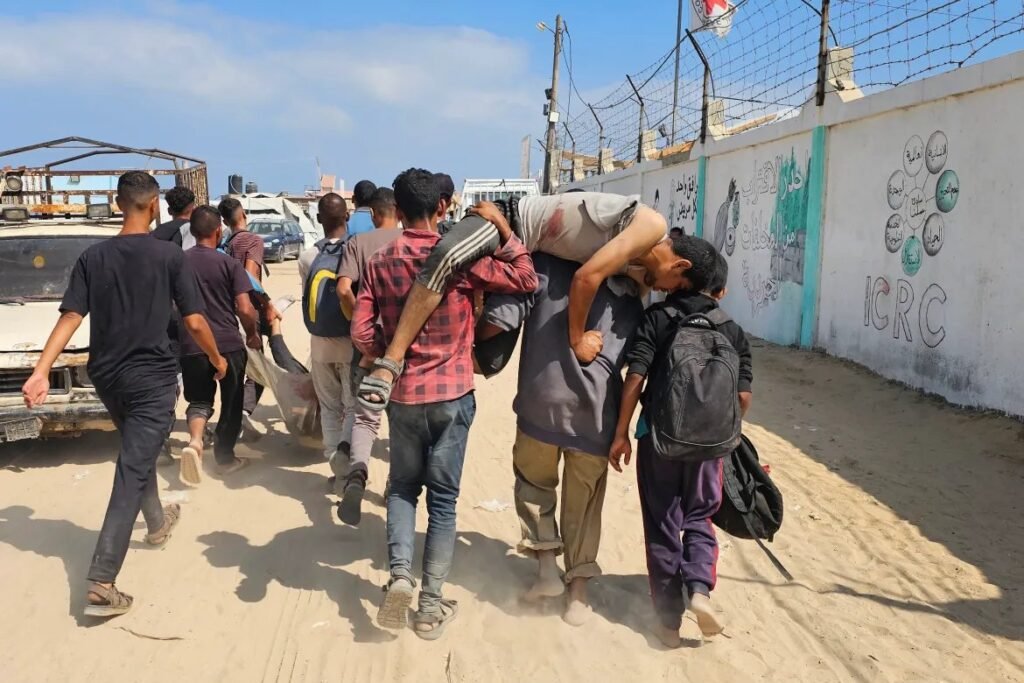
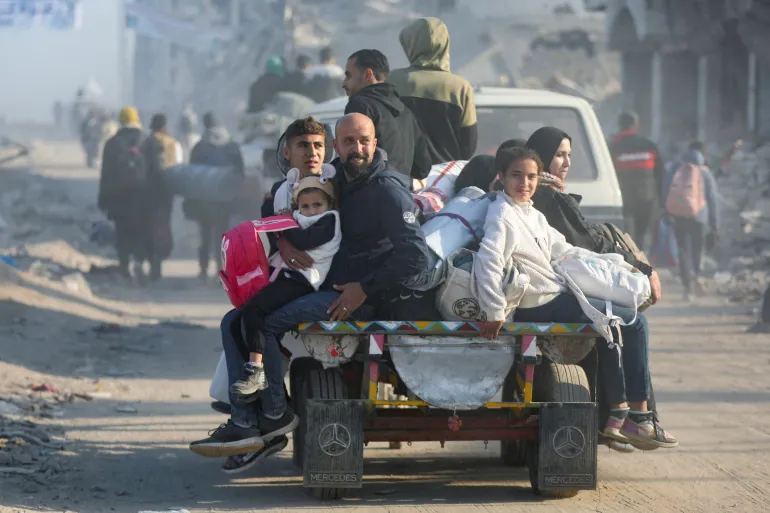
For displaced Palestinians like 30-year-old Maryam al-Dabala, who has been forcibly uprooted 14 times, the semantics of Israeli political debates offer no protection. The threat of another wave of forced movement is not a theoretical concern; it is the direct outcome of a deliberate state strategy to render Gaza structurally unviable for human habitation.
When homes, hospitals, water systems, and agricultural lands are systematically targeted, “emigration” ceases to be a voluntary choice; it becomes coerced exile. The current administration’s reliance on far-right minister Ben-Gvir’s platform demonstrates how policies once considered extreme have been fully integrated into mainstream governance.
Systematic Disenfranchisement Under Occupation
The fundamental injustice of the upcoming election lies in the absolute disenfranchisement of the population most affected by its outcome. Over two million Palestinians live under the direct military authority of a foreign state whose leadership they have no power to elect, question, or hold accountable.
As 65-year-old Osama al-Arbaei, who lost nine family members to bombardment, points out, minor shifts in coalition politics do not alter the foundational framework of the occupation. Whether market prices for basic food items soar out of reach or military perimeters shrink further, the underlying policy of structural subjugation remains constant.
The October elections will decide which political coalition manages Israel’s apparatus of state power. But so long as the international community treats these elections as a legitimate democratic exercise while ignoring the millions kept in a state of statelessness and siege, the fundamental reality on the ground will remain unchanged: an ongoing campaign to erase Palestinian presence, unity, and sovereignty from their native land.