Gaza Herald — What began as an inevitable consequence of Israel’s catastrophic destruction of Gaza is now spilling back across the militarized border. Rats, mice, and other rodents, thriving in the ruins left by relentless bombardment, are spreading into Israeli military outposts, agricultural fields, and nearby settlements surrounding the Gaza Strip.
In recent months, Israeli occupation soldiers stationed along the border began reporting surging numbers of rodents around their posts. The plague quickly reached neighboring border settlements, where residents now report trapping dozens of rats daily in homes they are struggling to maintain control over.
While Israeli reports frame this as an emerging pest control issue, environmental experts acknowledge the root cause: the sheer volume of Gaza’s ruined neighborhoods, pulverization of civil infrastructure, and months of continuous, devastating military attack.
From the Dust of Gaza to Border Agricultural Lands
The scale of the infestation is causing alarm across the Gaza envelope, a stark reminder that the environmental devastation inflicted on Gaza cannot be isolated behind concrete walls and military checkpoints.
In surrounding agricultural fields, gerbils have reportedly destroyed up to 70 percent of peanut crops. Settlement residents report an unprecedented influx of rodents into homes and public spaces, with one resident in Nahal Oz claiming to have caught roughly 10 rats every day for three weeks. In Kibbutz Nir Yitzhak, some households removed between 50 and 100 rats, and at least 10 residents have been bitten in recent weeks.
Israeli regional authorities, alongside the military and health ministries, have scrambled to contain the outbreak. Yet the situation points to a far broader reality: the ecological fallout of military aggression does not respect physical borders.
Rooted in the Destruction of Gaza’s Displaced Communities
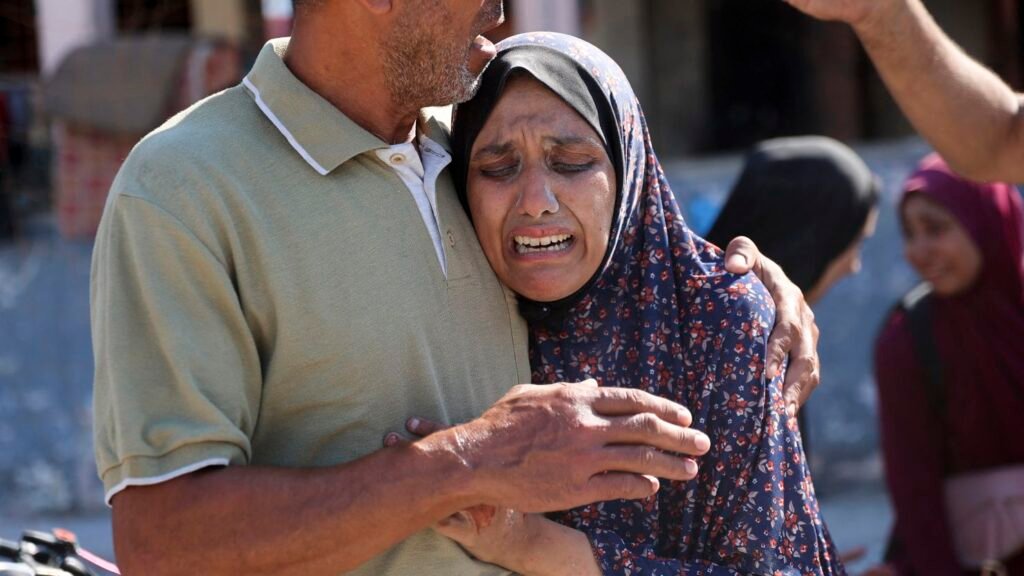
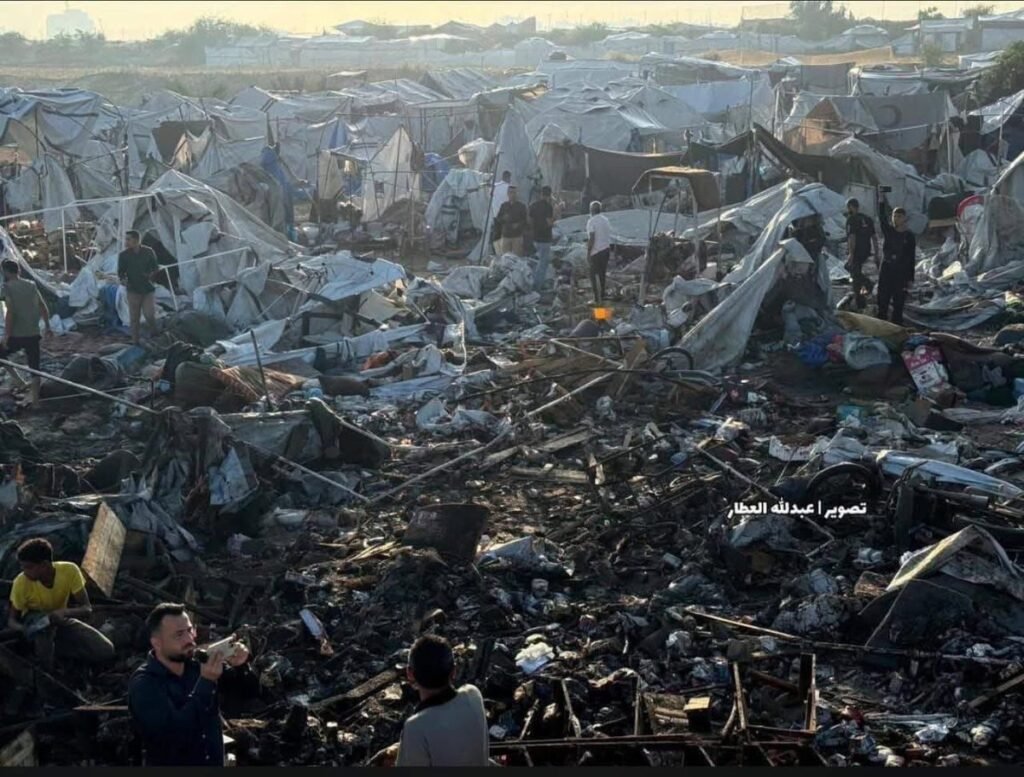
Inside Gaza, the crisis was deliberately set in motion long ago. Displaced Palestinians, forced into overcrowded tent camps after their homes were systematically leveled, have been living alongside severe pest infestations caused by the destruction of civil life.
With water and sewage systems deliberately disabled, waste collection halted, and millions of tons of concrete turned to rubble, the siege created an ideal environment for pests to multiply. Save the Children reported in May that over 80 percent of 1,600 assessed displacement camps were suffering from severe pest and rodent issues.
For Palestinians surviving under canvas tents, the situation is intolerable. Rodents tear through shelters, contaminate scarce food rations, and crawl over sleeping children. Parents face constant dread over disease and bites, stripped of any means to protect their families amid a total breakdown of municipal services under ongoing bombardment.
A Monument of Rubble and Human Suffering
The destruction of Gaza has generated tens of millions of tons of debris, a landscape of shattered concrete, broken sewage lines, and uncollected waste. While this rubble shelters disease-carrying pests, for Palestinians it represents unexploded ordnance, crushed homes, and lost lives.
Health experts warn of heightened risks for leptospirosis, hantavirus, and other rodent-borne diseases. But for displaced families in Gaza, this is not an abstract health warning; it is a daily struggle for survival alongside hunger, lack of clean water, and constant displacement.
The spread of rodents into Israeli military posts and settlements underscores a basic truth: the total ecological and physical destruction of Gaza carries consequences that extend far beyond the rubble left behind.