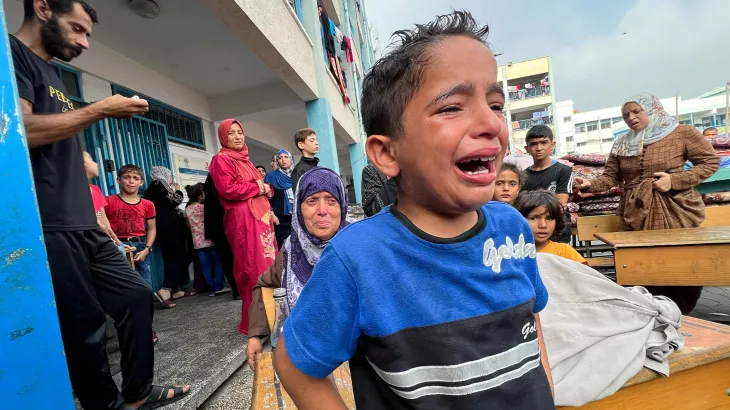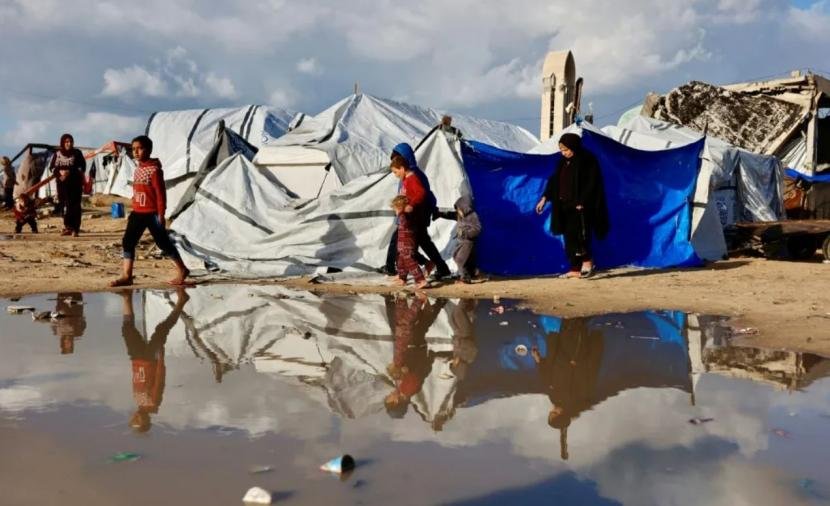
Gaza Herald – Mohammed Saleh, General Coordinator of the Network of Palestinian NGOs in the Gaza Strip, stated on Saturday that the humanitarian reality in the territory is worsening gradually. He emphasized that approximately 800,000 citizens are currently residing in dilapidated tents and are in urgent need of replacement shelters as winter approaches.
Saleh told Wafa News Agency that the humanitarian response remains weak and limited due to severe restrictions imposed by Israeli forces on aid entry. He noted that while agreements stipulated the daily entry of 600 trucks, actual needs range between 800 and 1,000 trucks per day.
According to Saleh, Israeli authorities currently allow only between 200 and 260 trucks to enter the strip daily, representing merely 30 percent of the genuine requirements. He clarified that 60 percent of these entering vehicles belong to the private sector, leaving only 40 percent for humanitarian assistance.
The coordinator warned that Gaza stands on the brink of famine if aid flows remain insufficient. He highlighted that 90 percent of the population relies primarily on humanitarian aid, yet current supplies are inadequate given the high unemployment rate, which exceeds 85 percent.
Saleh reported that roughly 77 percent of Gaza’s residents now live in tents, a figure that increases daily due to ongoing bombardments of residential buildings. Many families have been forced to set up camps on streets and near sewage areas, exposing them to health risks.
Regarding water scarcity, Saleh cited the prohibition on importing mineral oils and spare parts for generators. This has halted water wells, particularly in eastern and northern areas, forcing reliance on limited truck deliveries providing only 60 to 80 liters per day for large families.
On education, the coordinator stated that less than 40 percent of children receive educational services, meaning 60 percent are deprived of their right to learn. UNICEF currently manages education but lacks the comprehensive data base held by UNRWA.
Saleh stressed that UNRWA is essential for recovery and must not be dismantled. He added that without serious efforts to rebuild schools, the situation for students will become catastrophic within two to three years as they complete primary education without formal schooling.
This report was produced in the Gaza Herald newsroom.