
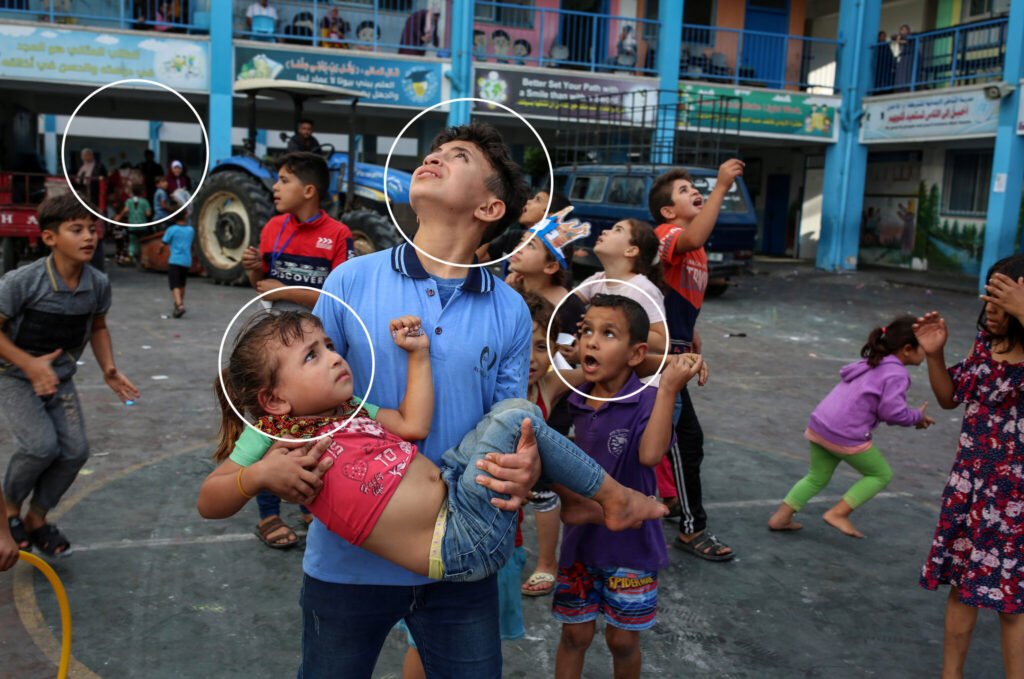
Gaza Herald— Palestinian civilians, including children, continue to be killed and injured in Gaza and the occupied West Bank, according to the United Nations Office for the Coordination of Humanitarian Affairs (OCHA), as humanitarian agencies warn that children in Gaza are also facing serious long-term nutritional challenges.
OCHA reported that several people, including a child, were killed in Israeli airstrikes in Gaza over the previous two days. An airstrike also damaged three UN warehouses in Deir al-Balah, in central Gaza.
UN spokesperson Stéphane Dujarric reiterated the UN’s calls for civilians and civilian infrastructure to be protected and never targeted.
UNICEF warns of long-term nutritional damage
Meanwhile, a new UNICEF assessment has highlighted the lasting impact of the conflict on Palestinian children and mothers, pointing to chronic malnutrition, poor-quality diets and childhood illnesses.
The survey was conducted between May 31 and June 15, following the expansion of humanitarian assistance after the ceasefire announced in October 2025.
The assessment found that acute malnutrition among children in accessible areas was relatively low at the time of the survey. However, UNICEF warned that the longer-term nutritional picture remains deeply concerning.
Poor diets affecting Gaza’s youngest children
The study found that 12.2 percent of Palestinian children under the age of five are affected by stunting, a condition associated with impaired growth and the cumulative effects of inadequate nutrition and poor health over time.
Meanwhile, 4 percent of children under five were affected by overweight.
The combination of stunting, wasting and overweight points to a broader problem with the quality and diversity of children’s diets, rather than food shortages alone.
Among children in Gaza aged 6 to 23 months, around 73 percent consumed unhealthy foods, while only 22.4 percent received the minimum acceptable diet needed for healthy growth and development.
“These figures represent children who are not receiving the diverse and nutritious food they need to grow and remain healthy,” Dujarric said.
Calls for sustained humanitarian access
The UN renewed its call for sustained and unrestricted humanitarian access to Gaza, including the entry of fuel and continued funding for nutrition, healthcare, water and sanitation services.
The UN also called for commercial markets to be allowed to operate so that families can access food and other essential goods through multiple channels.
For Gaza’s children, the consequences of the war extend far beyond immediate hunger. Poor diets, limited access to healthcare and inadequate living conditions can affect their growth and health for years to come.
As children continue to face the consequences of conflict, humanitarian agencies warn that preventing further nutritional deterioration requires sustained access to food, healthcare, clean water and essential services.

