
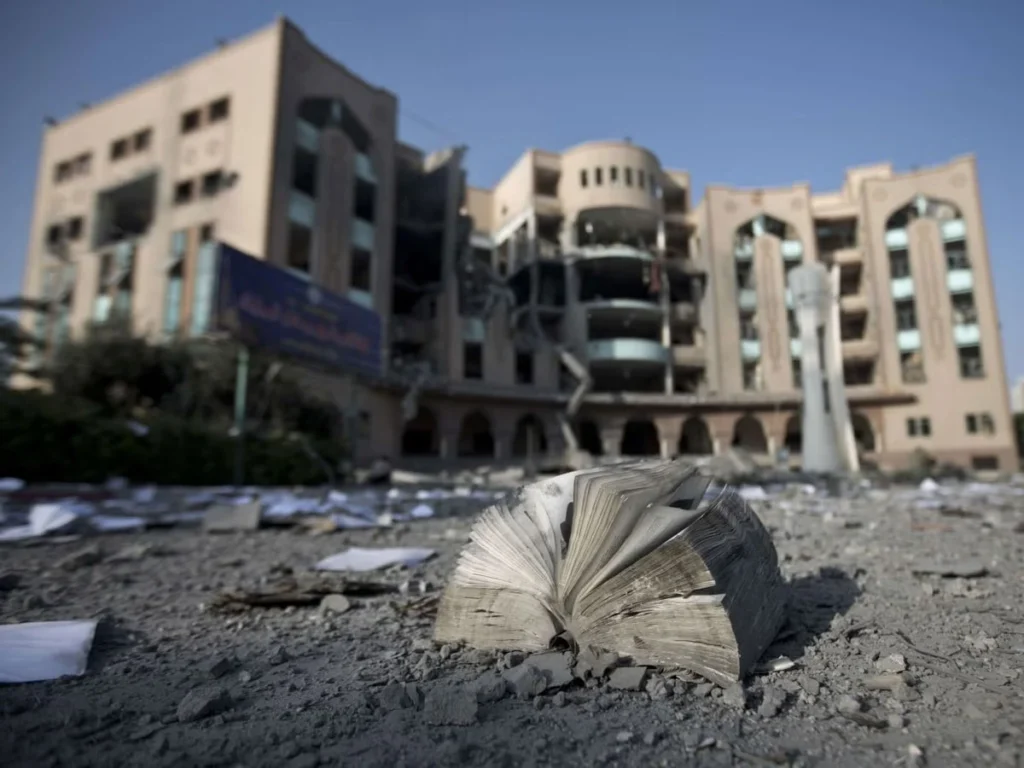
Gaza Herald – Gaza recorded the highest number of humanitarian worker deaths in the world in 2025, with 186 aid workers killed in Israeli attacks, according to figures released by the United Nations, underscoring the immense danger facing those trying to deliver lifesaving assistance to Palestinians living under Israel’s devastating assault and siege.
The UN Office for the Coordination of Humanitarian Affairs (OCHA) said Monday that 350 humanitarian workers were killed worldwide in 2025, stressing that the toll is another “tragic record” in attacks against humanitarian personnel. A total of 907 aid workers were killed, injured or abducted during the year.
More than half of the humanitarian workers killed globally were in Gaza, where 186 aid workers lost their lives. Sudan recorded the second-highest toll, with 71 deaths.
The figures reflect the extraordinary risks faced by humanitarian teams working to provide food, medicine, shelter and other essential assistance to Palestinians amid widespread destruction and the collapse of vital civilian infrastructure.
The attacks have continued into 2026. OCHA reported that 82 humanitarian workers have been killed so far this year, while 97 have been injured and 39 abducted in wars around the world.
UN humanitarian chief Tom Fletcher said more than 1,000 humanitarian workers have been killed over the past three years, calling the number “completely unacceptable.”
Fletcher said condemnation alone is not enough, urging governments to uphold international humanitarian law, protect civilians and aid workers, and hold accountable those responsible for violations.
For humanitarian workers in Gaza, the crisis has become particularly severe. Aid personnel have continued operating under bombardment, displacement, shortages and the destruction of hospitals, shelters, roads and other essential infrastructure, while trying to reach Palestinians facing an enormous humanitarian catastrophe.
The UN also warned of the growing threat posed by armed drones, whose increasing availability and relatively low cost have expanded the ability of armed actors to deploy lethal force against civilians and vital infrastructure.
Technological advances, he stressed, do not erase the obligations imposed by international law. Weapons may change, but the responsibility to protect Palestinian civilians, humanitarian workers and other non-combatants remains.

