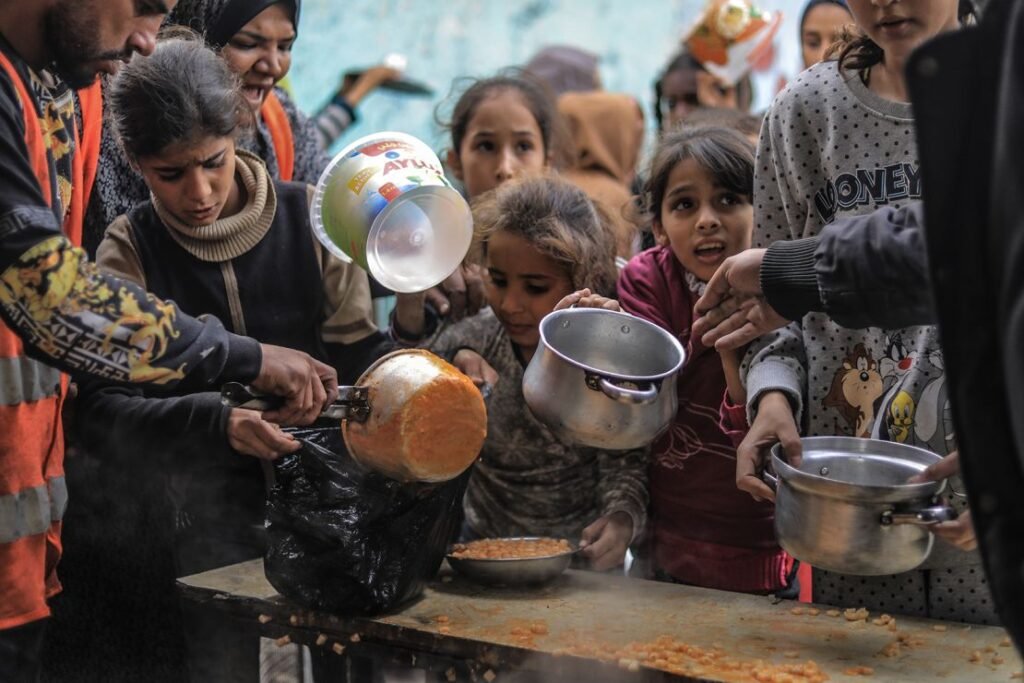
Gaza Herald – In Gaza, receiving a bag of flour no longer means that a family’s struggle for food is over. For thousands of Palestinian families, it marks the beginning of another daily battle: keeping that flour safe enough to eat.
As temperatures rise and electricity remains largely unavailable, displaced families living in tents and makeshift shelters have few options for storing food safely. Heat, humidity and inadequate storage conditions allow insects and other pests to spread through flour, threatening one of the most basic sources of food for families already facing severe shortages.
Inside Gaza’s displacement camps, families search for the coolest and driest corners of their tents to store flour. But with tents offering little protection from the summer heat, keeping food in usable condition has become increasingly difficult.
For displaced Palestinians, wasting even a small amount of flour can be devastating. Families often spend hours repeatedly sifting and cleaning their supplies in an effort to salvage what they can, knowing that replacing a damaged bag may be impossible.
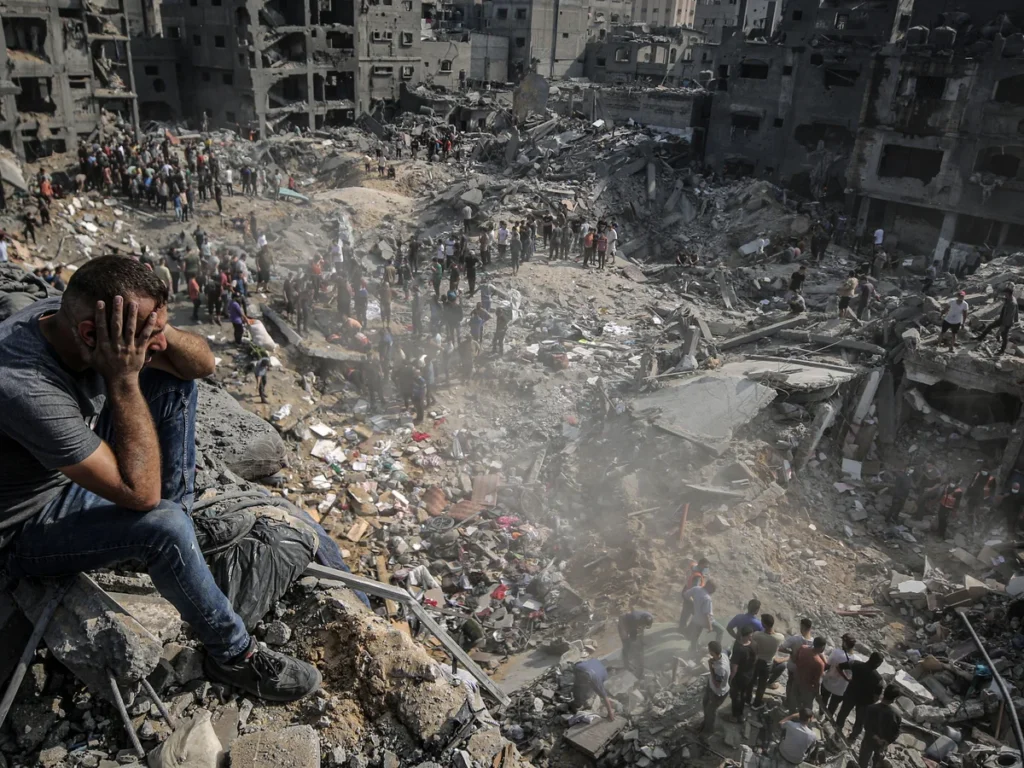
The problem is particularly severe for hundreds of thousands of Palestinians living in worn-out tents after vast areas of Gaza’s residential infrastructure were destroyed during the Israeli genocide. Without electricity, refrigeration or adequate storage facilities, basic food preservation has become another burden added to the daily struggle for survival.
Nutrition specialists warn that high temperatures and poor storage conditions can increase the risk of insects and fungal growth. Flour containing insects may sometimes be salvaged through thorough cleaning and sifting if it has remained dry and shows no signs of mold, unusual odor or discoloration. However, flour exposed to moisture or visible spoilage can pose health risks and should not be consumed.
Families are advised to keep flour in clean, tightly sealed containers and store it in the coolest and driest place available. Older supplies should be used first, while new flour should not be mixed with older stocks in order to reduce the risk of contamination and spoilage.
But in Gaza, even these basic food-safety measures are difficult to maintain. Displacement, extreme heat, damaged infrastructure, lack of electricity and limited access to proper storage leave families with few practical alternatives.
The flour crisis therefore goes beyond the question of how much food reaches Gaza. It is also about whether families can preserve the food they receive long enough to feed their children.
For Palestinians living through prolonged displacement and a devastating humanitarian crisis, protecting a bag of flour from heat and insects has become another daily struggle, one that shows how deeply the destruction of basic living conditions has reached into the most ordinary parts of life.