Gaza Herald – In the Gaza Strip, death often begins in silence, inside a body already weakened by illness, then grows slowly with every passing day: every closed crossing, every missing medicine, every delayed treatment that eventually arrives too late.
Fading before his eyes
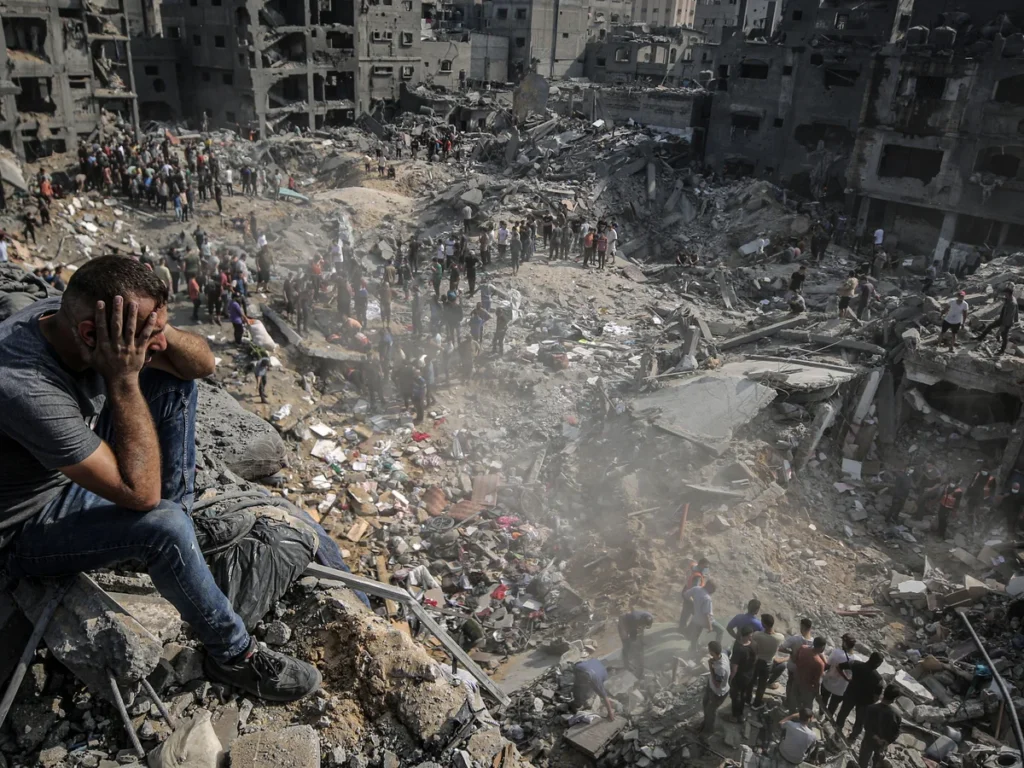
Behind the rising lists of casualties lie thousands of untold human stories, stories of mothers, fathers, and children who are not only victims of bombardment, but also of a collapsing healthcare system and blocked access to treatment.
One of those stories is that of Suhaila al-Mabhouh, whose journey began with fatigue and ended in death.
In the final days of last Ramadan, Suhaila felt increasing weakness that her family initially assumed was temporary. Medical tests later revealed a devastating diagnosis: a gallbladder tumor that had already begun spreading to the liver.
Her husband, Samah al-Mabhouh, recalls watching her condition deteriorate before his eyes while trying desperately to find any possible chance of survival.
The critical factor: time
The couple did not stop at Gaza’s limited medical capacity. They contacted a professor at Egypt’s National Cancer Institute.
The response was both hopeful and devastating: the case was treatable, and surgery could save her life, but time was critical, and every delay allowed the disease to advance further.
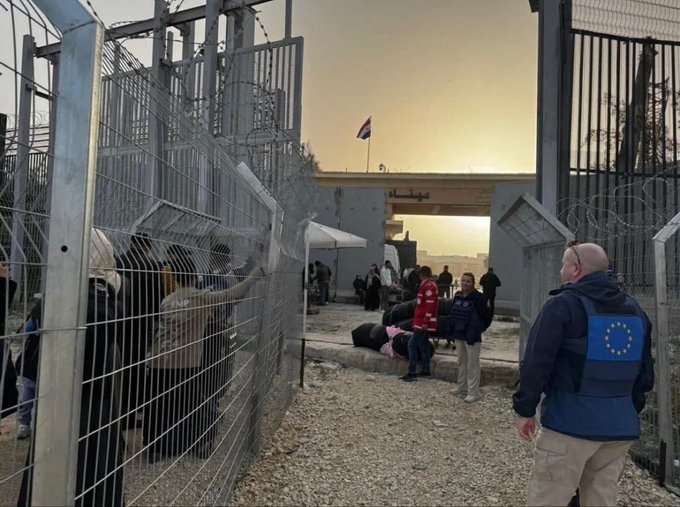
Yet in Gaza, time is rarely in the hands of patients. Between medical referral procedures, travel restrictions, and shortages in hospitals, including Al-Shifa Hospital, still operating amid severe destruction, the cancer progressed faster than any approval process.
Suhaila waited for her humanitarian travel permit. She never received it in time.
A rare blood type out of reach
Her suffering was not limited to cancer. Suhaila’s rare blood type (O-negative) created another layer of crisis, as her family spent weeks searching for compatible blood units in a city where hospitals and blood banks have been severely depleted by genocide.
Her husband says the central blood bank repeatedly ran out of her blood type, while she steadily lost the ability to eat, and even painkillers required difficult searches and delays.
A story that ended in waiting
On Friday night, Suhaila passed away. Her husband says it was not cancer alone that killed her, but the long chain of waiting: waiting for approval, waiting for travel, waiting for treatment that never came.
She died while still awaiting a chance that never arrived.
Her husband now asks a question that echoes the broader tragedy in Gaza: What if she had reached the operating room in time?
He concludes that what his wife endured made rapid death seem easier than the prolonged suffering of waiting, where time itself becomes a weapon, and delay turns into a silent death sentence before any final diagnosis is made.