Gaza Herald_Gaza’s already devastated healthcare system is facing another life-threatening crisis as blood banks and medical laboratories run dangerously low on essential supplies. Health workers warn that if border crossings remain closed and medical shipments continue to be blocked, hospitals across the Gaza Strip could lose the ability to provide even basic emergency care, putting thousands of patients, injured civilians, and those with chronic illnesses at immediate risk.
The prolonged restrictions on medical imports have pushed laboratories and blood banks toward collapse, leaving hospitals without critical materials needed for blood testing, disease monitoring, emergency surgeries, and life-saving treatments.
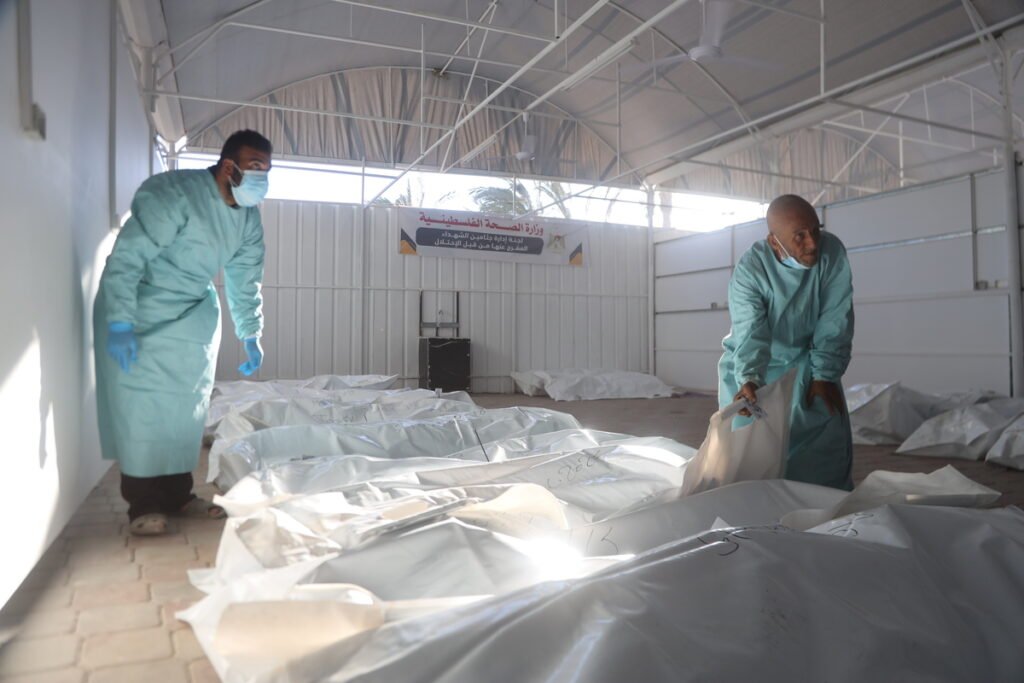
Healthcare workers say Gaza’s hospitals are suffering from severe shortages of blood collection bags, laboratory testing materials, chemical reagents, platelet and plasma separation supplies, and basic equipment required to process blood samples.
As the number of wounded patients continues to rise and hospitals perform daily emergency surgeries, doctors warn that the remaining blood reserves are being rapidly exhausted.
Blood Banks Near Empty as Hospitals Struggle to Save Lives
Palestinian health authorities say that approximately 86 percent of essential supplies needed by laboratories and blood banks have reached zero stock levels due to continued consumption and the inability to replenish supplies.
Medical teams are also facing additional threats from electricity shortages and fuel restrictions, which endanger the operation of refrigeration systems needed to preserve blood units and laboratory samples.
Without stable electricity and equipment maintenance, hospitals risk losing blood supplies and being unable to perform accurate medical tests required for diagnosing illnesses and monitoring patients.
Those most vulnerable include cancer patients, people suffering from kidney failure, pregnant women, premature infants, and patients with chronic diseases who depend on regular laboratory testing to survive.
Laboratory Supplies Running Out Across Gaza
Sahar Ghanem, director of the Laboratory and Blood Bank Department at Gaza’s Ministry of Health, said shortages have reached unprecedented levels after months of pressure caused by the ongoing war.
She explained that laboratory testing materials are currently facing an estimated 87 percent shortage, while supplies needed for collecting samples and conducting tests are facing a shortage of around 76 percent.
Among the most critical shortages is the lack of materials needed for complete blood count tests (CBC), one of the most essential medical examinations used in emergency departments, operating rooms, maternity wards, and other hospital units.
Ghanem warned that supplies needed for diabetes testing, kidney function tests, liver enzyme analysis, and other vital examinations are also close to running out.
She added that blood gas testing supplies, which are essential for intensive care patients, emergency cases, and premature babies in neonatal units, have already reached zero stock levels in many facilities.
Doctors Forced to Work Without Reliable Tests
The shortage has reached the point where hospitals are struggling to obtain even basic blood collection tubes.
Medical teams have been forced to use unsuitable alternatives that do not provide the accuracy required for safe diagnosis and treatment.
Ghanem warned that materials required for blood transfusions and compatibility testing before patients receive blood units are also nearly exhausted.
Without urgent intervention, she said, blood bank services across Gaza could completely stop within weeks.
Many specialized medical tests have already been suspended since the beginning of the war, including tests needed for organ transplant patients, kidney transplant monitoring, hormone-related conditions, and medication level monitoring for patients suffering from seizures.
The Ministry of Health warns that continued shortages could lead to the complete shutdown of laboratory services in hospitals and primary healthcare centers.
Destroyed Infrastructure and Missing Equipment Deepen the Crisis
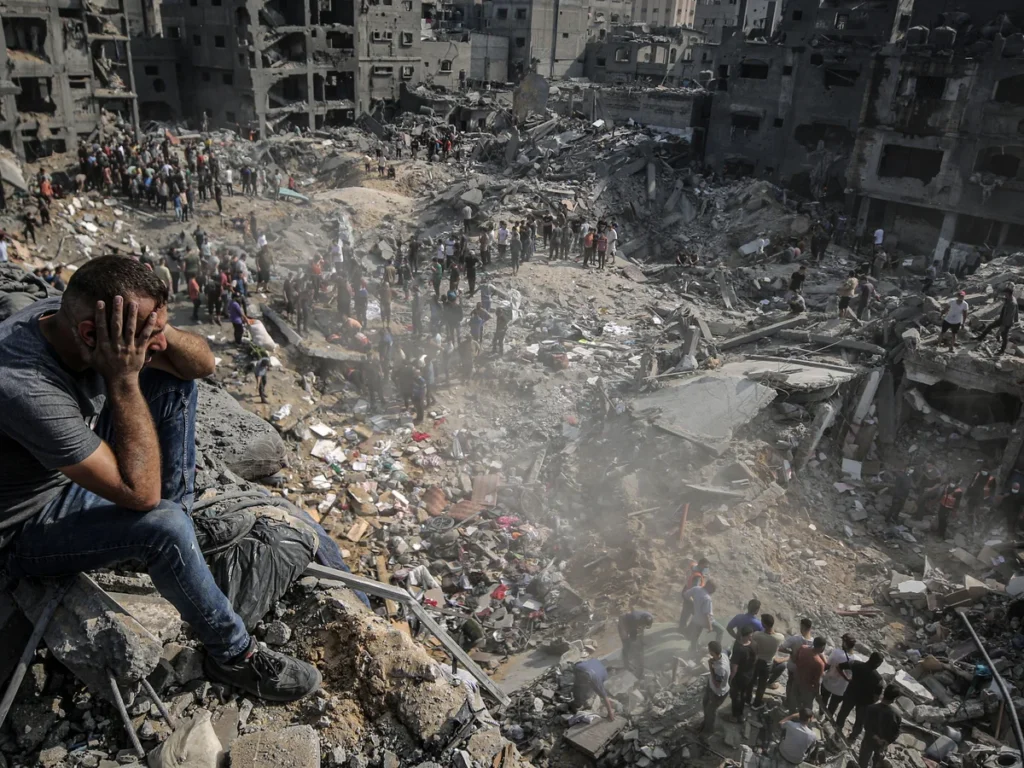
The collapse of Gaza’s healthcare system has also been worsened by the destruction of medical facilities and the lack of replacement parts.
The Ministry of Health says that around 53 percent of laboratory equipment has been lost due to attacks on healthcare facilities, while many remaining machines are damaged or unusable because spare parts cannot enter Gaza.
Medical technicians are unable to repair broken equipment, leaving hospitals dependent on a shrinking number of functioning laboratories.
The Ministry has repeatedly appealed to international organizations and UN agencies to urgently facilitate the entry of laboratory supplies and medical equipment.
Doctors say they are increasingly struggling to provide blood units for emergency patients, sometimes forcing hospitals to delay surgeries or rely on direct blood donations from patients’ relatives.
Patients Fear Losing Access to Life-Saving Treatment
For patients with chronic illnesses, the shortage has created constant fear and uncertainty.
Saeed Hamid, a 52-year-old kidney failure patient, says his ability to monitor his condition has been severely affected because many routine blood tests are no longer available.
Before the crisis, he underwent weekly blood and electrolyte tests before dialysis sessions. Now, many of these examinations are delayed because laboratories lack the necessary supplies.
“Doctors are increasingly forced to rely on estimates instead of accurate laboratory results,” he said, warning that any delay or mistake could lead to dangerous complications.
“For kidney patients, regular monitoring is not optional. Without these tests, treatment becomes incomplete and unsafe.”
Wounded Patients Face Another Battle
The shortage of blood supplies has also become a major threat for thousands of people injured during the war.
Alaa Al-Salmi, 27, who was wounded by shrapnel and underwent several surgeries, said the shortage of blood has become a direct threat to his survival.
“Doctors repeatedly told me that the hospital was suffering from a severe shortage of blood units, especially because of the large number of injured patients,” he said.
He described how his family sometimes searched for hours to find blood donors so he could continue receiving treatment.
“Every time I need another surgery or blood transfusion, I feel afraid because the available quantities are extremely limited while the number of wounded people continues to rise.”
A Healthcare System Fighting to Survive
With supply chains disrupted, medical equipment damaged, and essential materials blocked from entering Gaza, hospitals are operating under conditions described by health workers as unsustainable.
Doctors warn that the crisis is no longer only about treating injuries from war. It is now about maintaining the basic ability to diagnose illnesses, perform surgeries, provide blood transfusions, and keep patients alive.
As Gaza’s hospitals continue to struggle with shortages, health workers say urgent international action is needed to prevent a complete collapse of the medical system and protect thousands of patients whose lives depend on supplies that are rapidly disappearing.