Gaza Herald – The National Committee for Gaza Administration, headed by Dr. Ali Shaath, held a coordination meeting with representatives of the European Union, the United Nations, and the World Bank to discuss the results of a rapid damage and needs assessment in the Gaza Strip, as well as priorities for early recovery and reconstruction.
According to a statement issued by the committee, participants emphasized that Gaza’s recovery and reconstruction process must be Palestinian-led, underscoring the committee’s central role in coordinating national and international efforts and preparing for a sustainable and systematic rebuilding phase.
Dr. Ali Shaath stated that the committee has adopted the assessment findings as a primary reference for developing recovery and reconstruction plans. He noted that sector-specific priorities and implementation strategies have already been prepared, enabling immediate action once conditions on the ground permit and facilitating a rapid response to the needs of Gaza’s population.
Committee commissioners presented key priorities for the next phase, including healthcare, housing, infrastructure, economic recovery, agriculture, telecommunications, and social protection. They stressed the importance of integrating international support with national efforts and strengthening partnerships with municipalities, civil society organizations, national institutions, and the private sector.
The committee reaffirmed its readiness to begin field operations as soon as circumstances allow, emphasizing that serving citizens, addressing urgent humanitarian needs, and strengthening community resilience remain at the forefront of its mission.
During the meeting, representatives of the European Union, the United Nations, and the World Bank reviewed the main findings of the rapid assessment, including the scale of destruction, economic losses, humanitarian needs, and the requirements for restoring essential services and revitalizing Gaza’s economy.
The international representatives reiterated their commitment to continued technical cooperation and coordination with the committee in support of recovery, reconstruction, and sustainable development efforts across the Gaza Strip.
The National Committee for Gaza Administration was established in January 2026 by decision of the Peace Council as part of the Gaza ceasefire framework. Although its members are currently based in Egypt and have yet to begin operations inside Gaza, the committee is expected to assume responsibility for civilian administration and recovery planning once access to the territory becomes possible.
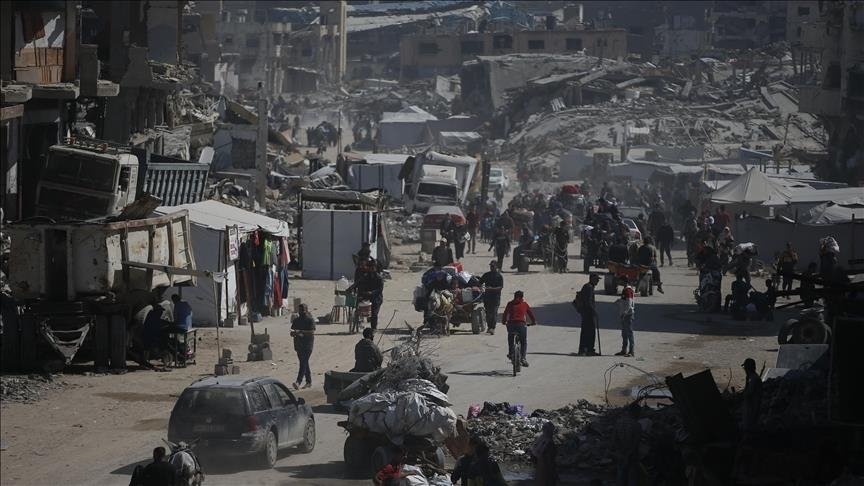
Gaza faces an immense reconstruction challenge following the Israeli genocidal war that began in October 2023. Preliminary assessments estimate that more than 70% of the territory has been damaged or destroyed, with reconstruction costs expected to exceed $70 billion. Despite the scale of destruction, no international donor conference has yet been convened to secure the funding required for rebuilding efforts.
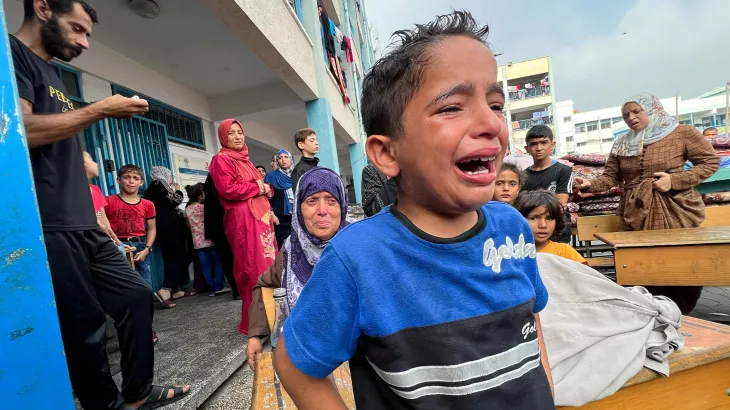
Meanwhile, humanitarian and reconstruction challenges continue to deepen as destruction, restrictions, and ongoing obstacles to recovery hamper efforts to restore normal life for Gaza’s more than two million Palestinians.