Gaza Herald – The water situation in the Gaza Strip has reached increasingly severe levels amid widespread destruction of water infrastructure and continued mass displacement. Field reporting indicates a sharp decline in available drinking and domestic water, leaving residents dependent on irregular deliveries and severely restricted daily allocations.
In displacement sites across central Gaza City, residents wait for hours to access water trucks, often receiving only small quantities that must be carried back to temporary shelters. Each truck typically carries around 10,000 liters, which is shared between large displaced populations, resulting in per-person access dropping below 10 liters per day, well under internationally recognized minimum standards for basic survival needs.
Before the current escalation, Gaza’s water system supplied roughly 100,000 cubic meters per day through a combination of groundwater wells, imported supply, and desalination. That system has been heavily degraded, with most infrastructure damaged or non-operational. Current estimates place total daily availability at around 35,000 cubic meters, reflecting a drastic contraction in supply capacity.
Municipal data indicate that per capita access has fallen from approximately 80 liters per day in the pre-conflict period to single-digit levels, with some areas experiencing even lower availability during peak shortages. Entire neighborhoods are now experiencing near-total supply disruption, particularly in densely populated and heavily affected zones.
Access to water has also become physically hazardous. Water distribution points and transport routes are frequently located near areas of military activity, exposing both civilians and service providers to risk during collection and delivery operations. In several reported incidents, water transport vehicles have come under attack, further reducing the reliability of supply chains.
In areas such as Khan Younis and other displacement-heavy zones, reliance on limited groundwater pumps has increased. However, these systems are constrained by fuel shortages and intermittent operation, often functioning only briefly each day for thousands of people. As a result, households receive only minimal quantities insufficient for hygiene, cooking, and sanitation needs.
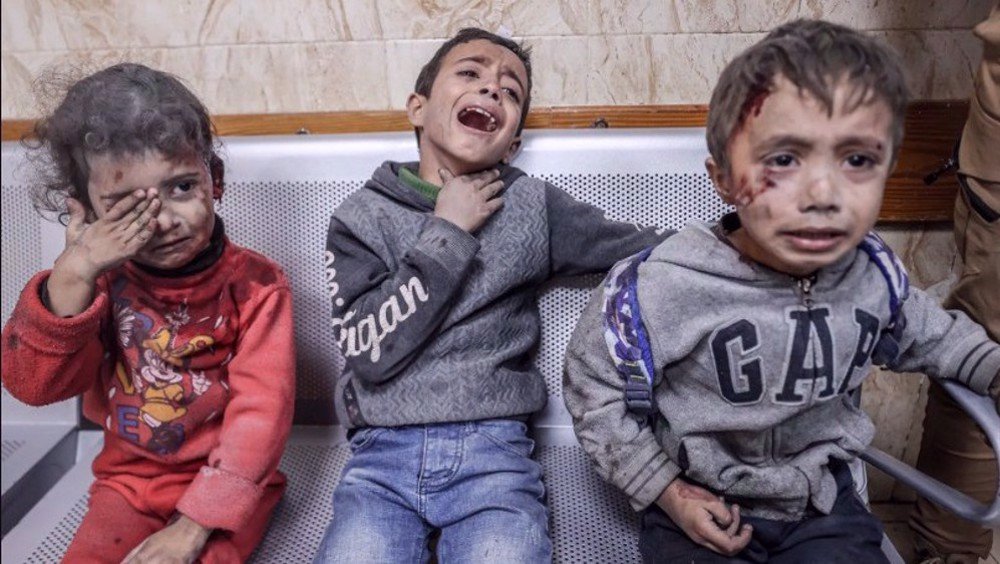
Residents report relying on non-potable or saline water in some locations, contributing to rising health concerns, particularly among children. Drinking water deliveries remain infrequent in many areas, sometimes limited to a few distributions per week.
Humanitarian assessments warn that continued damage to infrastructure, combined with population density pressures, is driving a sustained water emergency. The system’s reduced capacity, coupled with logistical and security constraints, has created a structural shortage that affects nearly all aspects of daily life.