
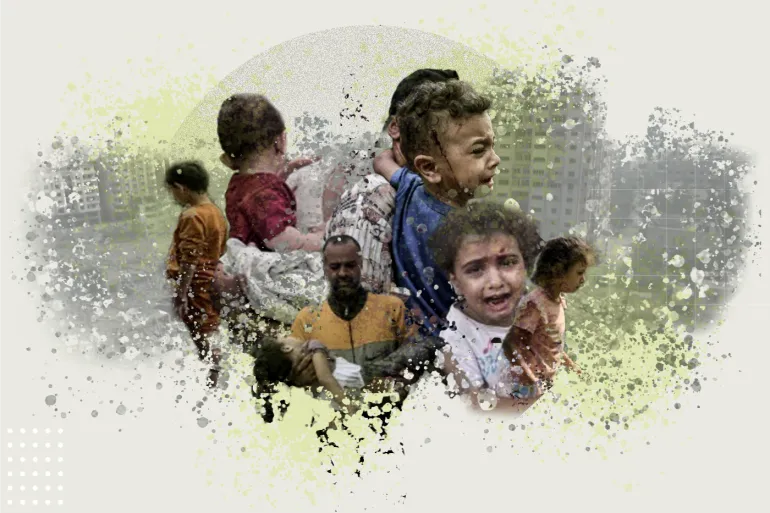
Gaza Herald – Gaza is witnessing an alarming increase in congenital anomalies and stillbirths, with health authorities reporting what they describe as an unprecedented public health trend linked to the ongoing war conditions.
At Nasser Hospital in southern Gaza, neonatal intensive care units are treating newborns with severe medical complications, including heart defects, brain abnormalities, and multiple congenital deformities. Medical staff reports that many of these cases are occurring among infants born during the war, with mothers exposed to extreme stress, malnutrition, displacement, and unsafe living conditions.
One case highlighted is that of a two-week-old infant diagnosed with hydrocephalus, a condition involving excess fluid in the brain that can cause neurological damage. Doctors note that such conditions are not always genetically inherited and are often associated with environmental stressors during early pregnancy.
Health officials in Gaza report a significant statistical increase in adverse birth outcomes. According to the Ministry of Health, congenital anomalies doubled in 2025 compared with 2022, while stillbirths increased by approximately 140%. Neonatal deaths have also risen substantially, reflecting the growing strain on maternal and child health services.
Medical experts attribute this surge to multiple interrelated factors, including widespread food insecurity, severe deterioration in healthcare services, contaminated water supplies, overcrowded displacement shelters, and ongoing exposure to bombardment and environmental hazards.
Specialists in pediatrics and neonatology emphasize that fetal development is particularly vulnerable during the first trimester and that adverse environmental and nutritional conditions during this period can significantly increase the risk of developmental abnormalities. However, they also stress that the current scale of cases exceeds previously observed levels, indicating a systemic crisis.
The broader healthcare system in Gaza is struggling to cope with rising demand while facing shortages of equipment, medications, and diagnostic tools. Officials warn that limited resources mean many newborns with severe conditions cannot receive adequate treatment.
Data from the Ministry of Health indicates that live births dropped by more than 30% at the height of the genocide, with only partial recovery later on. Even so, birth rates remain below pre-war levels, while complications and mortality rates continue to rise.
Despite the announcement of a ceasefire in October 2025, health officials and humanitarian observers report that ongoing instability and repeated strikes continue to affect civilian life, including maternal and neonatal health outcomes.
The situation underscores a growing humanitarian and medical crisis affecting the most vulnerable population group, newborn children, whose survival is increasingly shaped by the conditions of war rather than standard medical factors.

