Gaza Herald- Dr. Yahya Al-Sarraj, head of the Gaza Municipalities Union, warned that Gaza continues to suffer under a stringent blockade, with Israeli authorities restricting the entry of vital supplies such as heavy machinery, fuel, and spare parts required for water and electricity infrastructure, while only limited food aid is permitted into the besieged territory.
He said the ongoing intransigence would worsen Gaza’s health and environmental conditions amid the spread of insects, rodents, and disease, adding that rats have begun attacking children in their sleep.
Al-Sarraj reported that Israel continues to block the entry of essential supplies, including fuel, heavy machinery, vehicle tires, and engine oils used to operate electricity transformers.
This would lead to the shutdown of the remaining functioning systems, he continued.
According to the Gaza official, Israeli intransigence threatens the continued operation of hospitals and clinics and hampers municipalities’ ability to collect solid and medical waste.
Gaza municipalities were heavily affected by the recent war, with most of their equipment destroyed, leaving them unable to operate electricity generators and water wells due to shortages of fuel, oil, and spare parts, Al-Sarraj added.
He stated that people in the Gaza Strip currently receive less than 40% of their drinking water needs, warning that this proportion may fall further during the summer if generator operations are scaled back, unless fuel and oil supplies are permitted to enter.
The Gaza Municipalities Union has called for urgent supplies of fuel, generators, spare parts, and infrastructure equipment, while the government media office in Gaza said only 14% of fuel truck deliveries have been allowed in, with Israel still blocking heavy machinery needed to clear rubble and reopen roads.
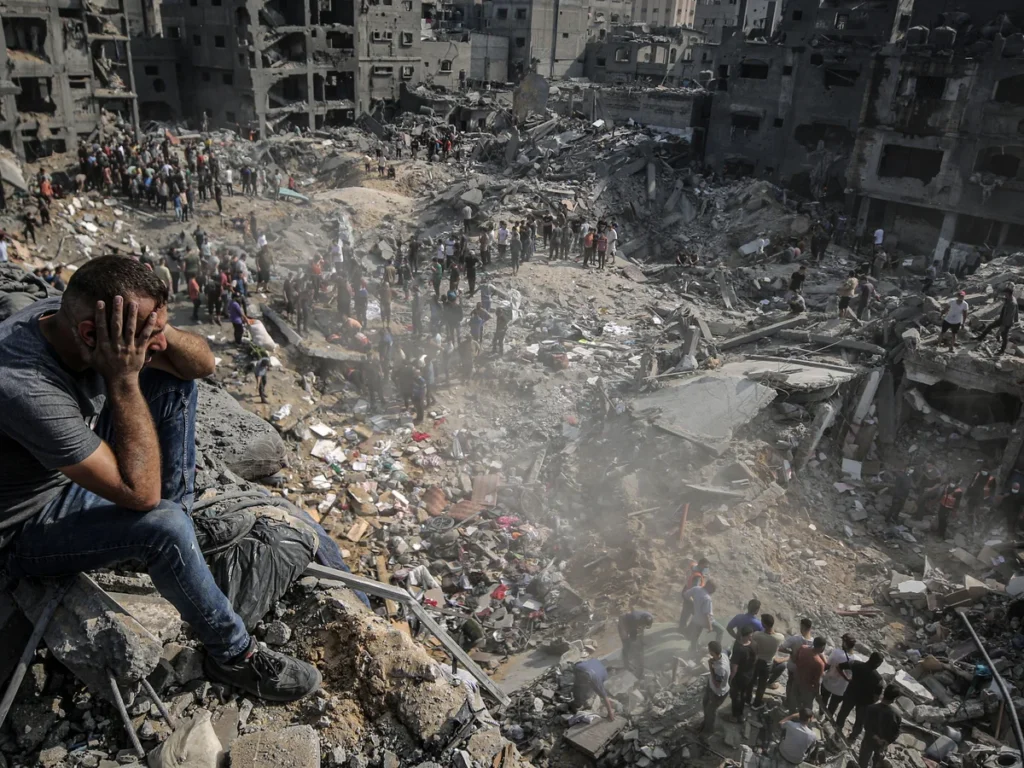
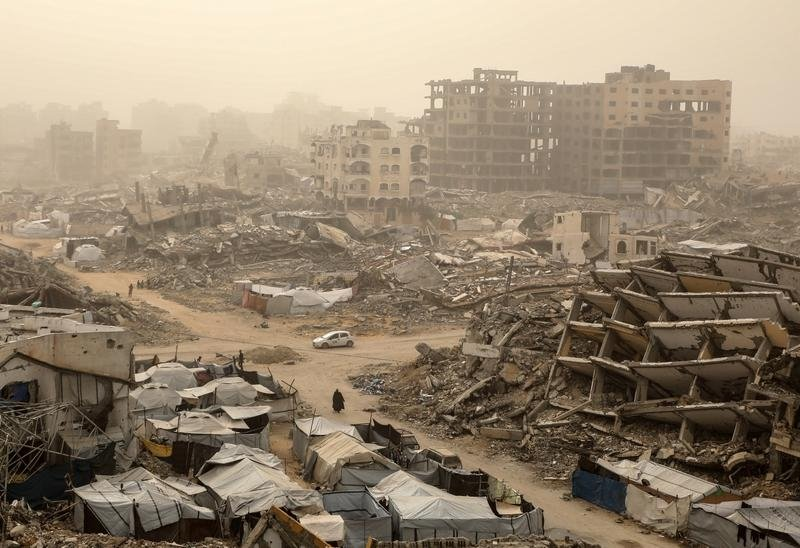
The government media office reported that Israeli forces have destroyed nearly 90% of Gaza’s urban infrastructure, including more than 106,400 homes and 23 civil defense vehicles, as well as hundreds of water wells and extensive electricity and water networks.
The ceasefire agreement required 600 aid trucks daily, but Israel’s failure to comply has worsened the humanitarian crisis in Gaza, which the government media office described as a systematic policy of starvation and restrictions.
Hundreds of thousands of displaced people are living in tents with limited basic services amid a severe fuel shortage, with families receiving about 8 kilograms of gas every two months, forcing them to rely on costly alternatives, according to the government media office.