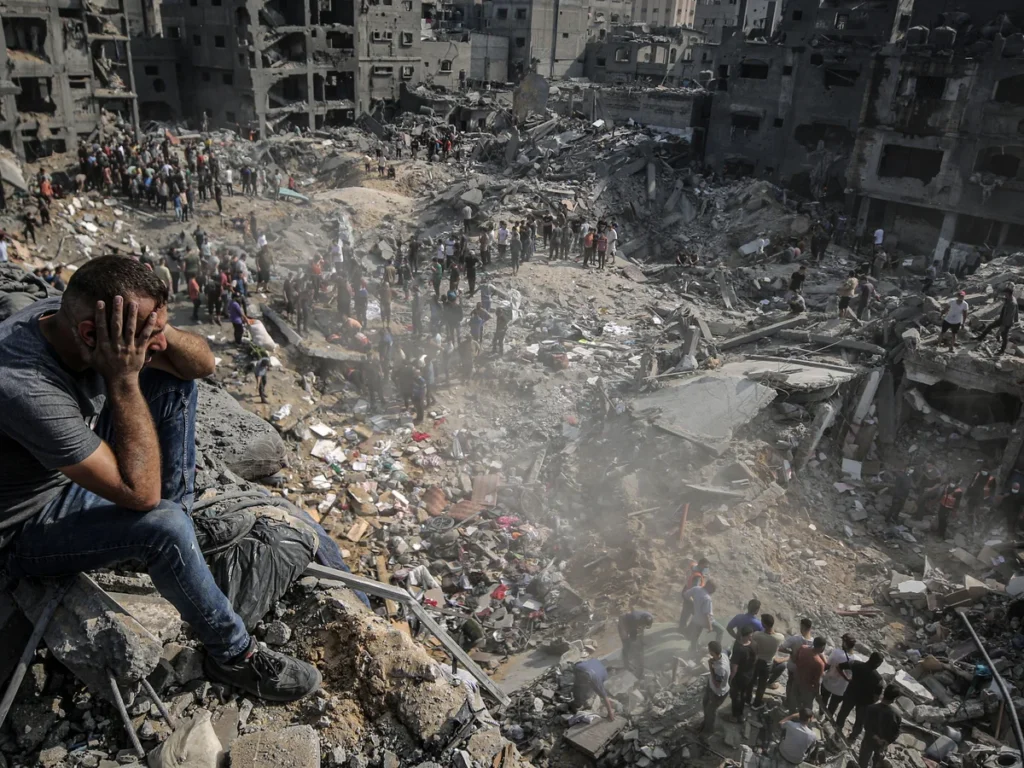
Gaza Herald – The Gaza Strip is witnessing a sharp and accelerating deterioration in basic and life-sustaining services, raising serious concerns about a deepening humanitarian, health, and environmental crisis despite the ongoing ceasefire. Reports from local and international organizations indicate a significant decline in critical sectors such as healthcare and water, alongside growing waste accumulation and severe food shortages, increasing the risk of disease outbreaks and even mass fatalities.
Médecins Sans Frontières has warned that needs in Gaza are enormous, yet insufficient medical and food aid is being allowed in, noting that no supplies have entered since the beginning of 2026. The organization highlighted that restrictions on importing equipment and spare parts are forcing delays or cancellations of surgeries, potentially leading to severe complications, permanent disabilities, or preventable deaths.
Health authorities have also raised alarms about an imminent catastrophe due to the depletion of generator fuel needed to power hospitals. This threatens the lives of hundreds of patients in critical units such as intensive care and dialysis while also putting vaccines, blood supplies, and essential medications at risk of spoilage due to unreliable electricity.
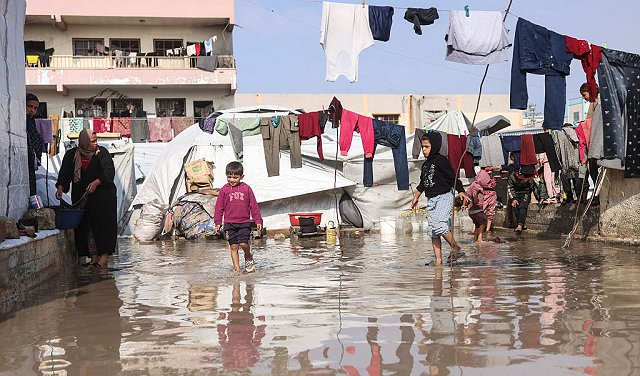
At the municipal level, officials warn of a near-total collapse of essential services. Severe fuel shortages and restrictions on spare parts have paralyzed the operation of water wells, sewage systems, and waste management services. As a result, thousands of tons of garbage are piling up in streets and around shelters, creating an environment ripe for the spread of diseases, insects, and rodents, and posing a serious public health threat.
Humanitarian organizations report that aid deliveries have dropped significantly, with only a fraction of the required supplies entering Gaza. Civilians are facing acute shortages of medicine, food, and basic necessities, while prices continue to rise beyond the reach of many families. The shortage of essential goods, combined with worsening living conditions, is increasing the likelihood of a return to famine.
Experts warn that without urgent international intervention to ensure the entry of aid and restore essential services, Gaza could face a full-scale collapse, with devastating consequences for its civilian population.