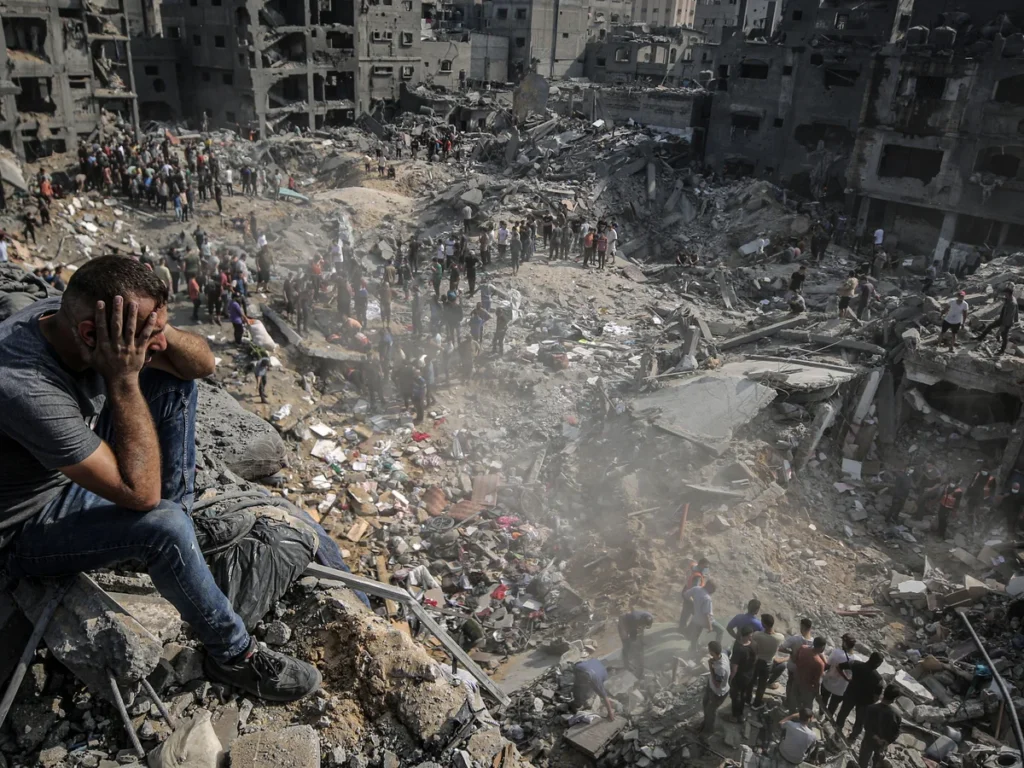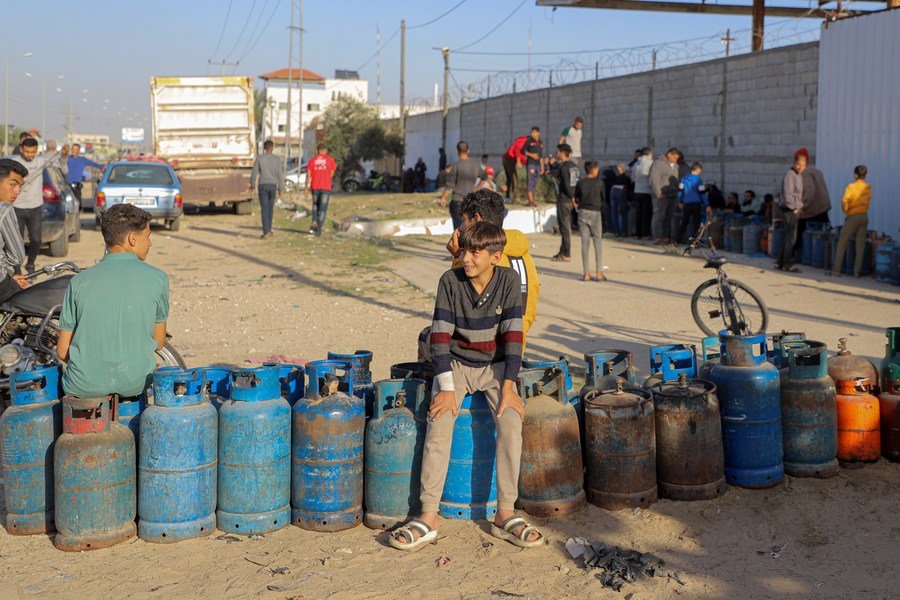
Gaza Herald – Palestinians in Gaza are facing severe shortages of fuel and cooking gas, leaving families waiting months for minimal supplies amid soaring prices. The crisis, driven by Israeli restrictions and the destruction of Gaza’s public power infrastructure during the Israeli genocidal war, has forced residents to rely heavily on private generators and alternative cooking methods.
Electricity costs have surged dramatically, with the price per kilowatt-hour rising from roughly 2.5 shekels ($0.80) before the war to 20-30 shekels ($7-$10) today, nearly ten times higher, placing reliable energy far beyond the reach of many households.
Despite the October 2025 “ceasefire” agreement between Hamas and Israel, fuel deliveries remain far below the agreed levels. According to Gaza government data, only 1,190 of the 8,050 expected fuel trucks have entered the enclave since the ceasefire began, a compliance rate of just 14.7%.
Iyad al-Shorbaji, director general of Gaza’s Petroleum Authority, said the territory requires 350-400 cooking gas trucks monthly, alongside 15 million litres of diesel and 2.5 million litres of gasoline. “Currently, only 100 gas trucks enter each month, and the diesel and gasoline delivered are mainly reserved for health and public services. Commercial supplies are extremely limited,” he said.
The shortages have sent fuel prices soaring. Diesel now costs about 90 shekels ($29) per litre, roughly triple pre-war levels, pushing up transportation and production costs and affecting the broader economy.
Households now receive a single 8kg gas cylinder every 45 to 100 days, compared with pre-war consumption of 12kg every 25 days per family. Al-Shorbaji noted that rising prices reflect higher procurement costs, transportation fees, supplier coordination charges, and the combined pressures of scarcity and growing demand.
“The situation remains contingent on Israeli control of border crossings,” he said, describing the restrictions as part of a broader policy of “suffocation and limitation” imposed on Gaza.
With over two million civilians affected, the ongoing fuel and gas crisis compounds Gaza’s overlapping humanitarian emergencies, leaving families struggling to meet basic energy needs while grappling with the economic and social fallout of prolonged genocide.