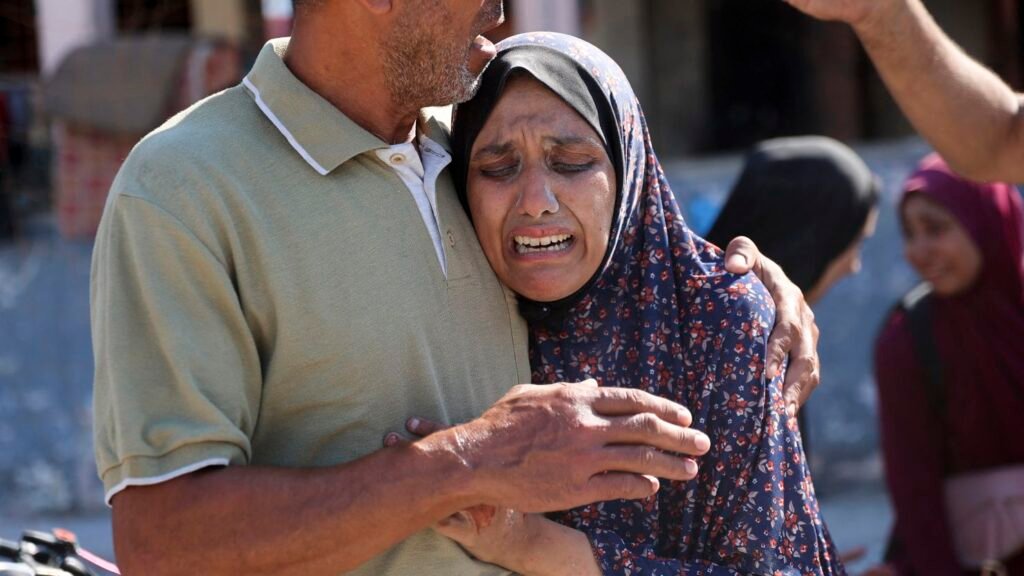
Gaza Herald – Summer in the Gaza Strip is no longer simply a season of rising temperatures. It has become a daily test of survival for Palestinians struggling to adapt to relentless humanitarian conditions.
While summer elsewhere is often associated with vacations, beaches, and family gatherings, as it once was in Gaza before the Israeli genocide, it now carries an entirely different meaning. Scorching heat combines with severe water shortages, chronic electricity outages, and overcrowded displacement camps, turning even the most basic aspects of daily life into constant challenges.
A Daily Battle
With sunrise begins another exhausting day under blistering temperatures. Families search for a patch of shade or a brief breeze to escape the oppressive heat, while children, older adults, and Palestinians with chronic illnesses, those most vulnerable to extreme weather, bear the greatest burden.
The hardship extends far beyond the heat itself.
Securing enough water for drinking and daily use has become a relentless struggle, forcing families to ration every available drop. Under such conditions, maintaining personal hygiene and keeping living spaces clean becomes increasingly difficult, heightening concerns about the spread of disease, particularly among children.
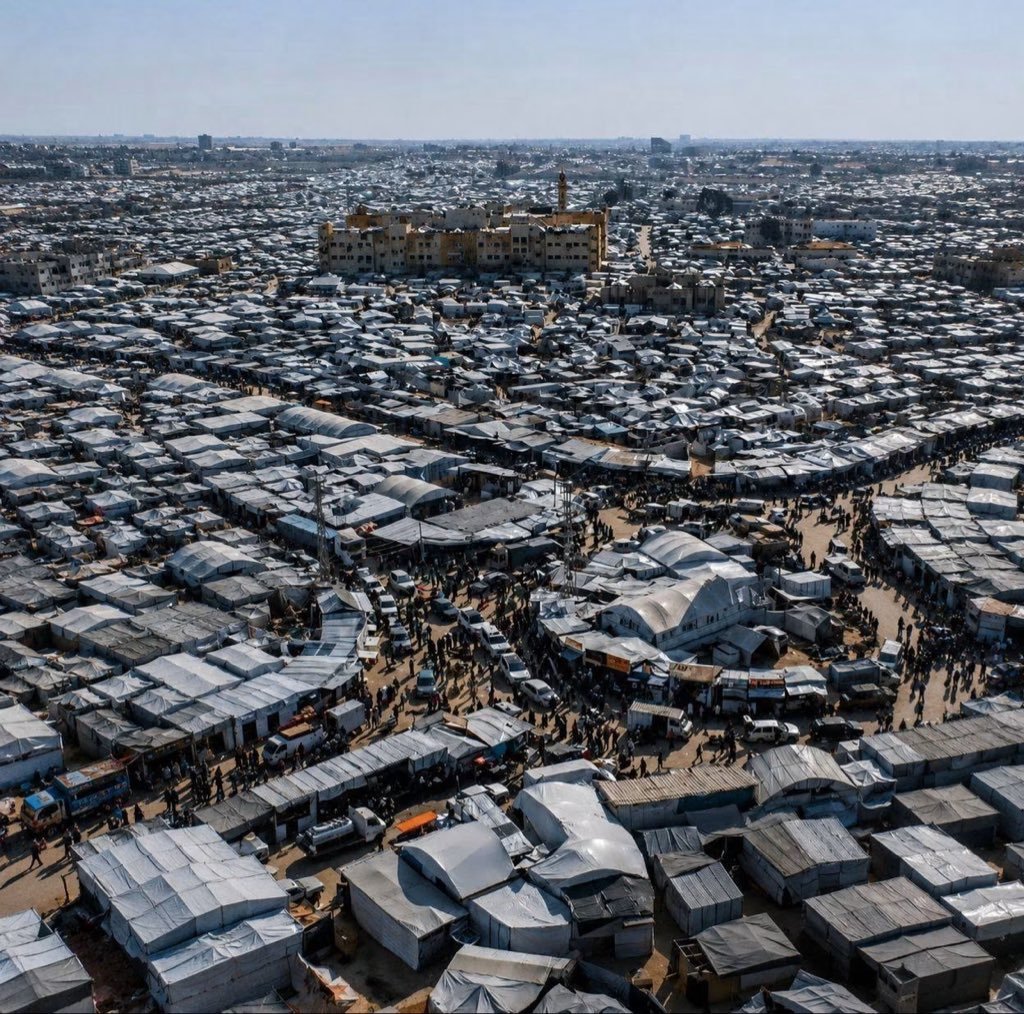
For the hundreds of thousands sheltering in displacement camps, summer brings an even harsher reality. Tents and makeshift shelters offer little protection from the sun, while overcrowding traps heat, making long daylight hours nearly unbearable for families already enduring extraordinary hardship.
The burden also falls heavily on mothers, who must somehow preserve food, secure drinking water, and care for children in sweltering conditions despite having few resources.
“A Piece of Hell”
Sixty-year-old Umm Jamal, who lives in a tent at a displacement camp in central Gaza, describes summer as nothing less than “a piece of hell.”
“Our lives are nothing but repeated death every single day,” she says.
“As soon as the sun rises, the tent becomes unbearably hot. The humidity is suffocating. We cook inside these tents just like figs ripen under the summer heat.”
She says the extreme temperatures are only part of the ordeal.
“The insects are another disaster. Flies torment us during the day, while mosquitoes and other insects take over at night. We can hardly sleep.”
Every Hour Is a Struggle
Abu Salem, who lives in another displacement camp west of Gaza City, says every hour in Gaza during the summer has become a different battle for survival.
“Sleeping is a battle because of mosquitoes, insects, and rats,” he says.
“Finding a drop of drinking water is another battle because clean water barely reaches the camps. Even finding water for washing or bathing has become extremely difficult now that demand has increased during the summer.”
Several of his children have developed skin diseases because there is not enough water to maintain basic hygiene.
“The overcrowding and the heat only make things worse,” he says.
Summer Deepens an Existing Humanitarian Crisis
International humanitarian organizations warn that summer is compounding an already catastrophic humanitarian situation.
According to the UN Office for the Coordination of Humanitarian Affairs (OCHA), displaced families living in overcrowded camps continue to face extreme heat alongside rising cases of skin diseases and infections caused by limited access to safe water, sanitation, and healthcare.
OCHA has also warned that mounting garbage and the inability to access waste disposal sites are contributing to the spread of insects and rodents.
A subsequent OCHA report documented continued outbreaks of skin diseases and acute watery diarrhea, linking them to overcrowding and the deterioration of water and sanitation services.
Meanwhile, the UN Relief and Works Agency for Palestine Refugees (UNRWA) reports that more than half of displaced families lack basic hygiene supplies, while large numbers report skin diseases, scabies, and other health problems.
The World Health Organization (WHO) has likewise warned that the risk of disease outbreaks remains high because of overcrowding, damaged water and sanitation infrastructure, poor shelter conditions, and limited access to healthcare.
In a separate assessment published in April 2026, Médecins Sans Frontières (Doctors Without Borders) concluded that the collapse of water and sanitation systems has severely undermined public health, contributing to widespread hygiene-related illnesses, accumulating waste, and environmental contamination throughout displacement camps.
More Than a Season
For Palestinians in Gaza, summer has become far more than another season.
Finding water, shade, and relief from the heat has become part of the daily struggle to survive. Yet amid the hardship, families continue trying to adapt, protect their children, and preserve hope despite the overwhelming humanitarian crisis surrounding them.
Summer in Gaza has become a stark reflection of the challenges Palestinians face every day, where necessities taken for granted elsewhere, such as clean water, shelter from the sun, and a night’s uninterrupted sleep, have become daily goals in a fight simply to endure.