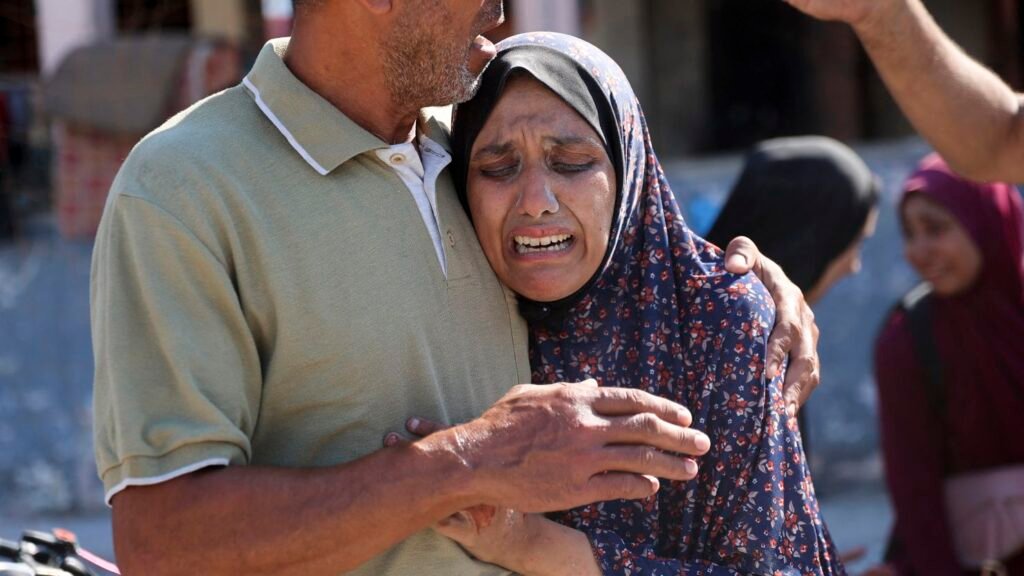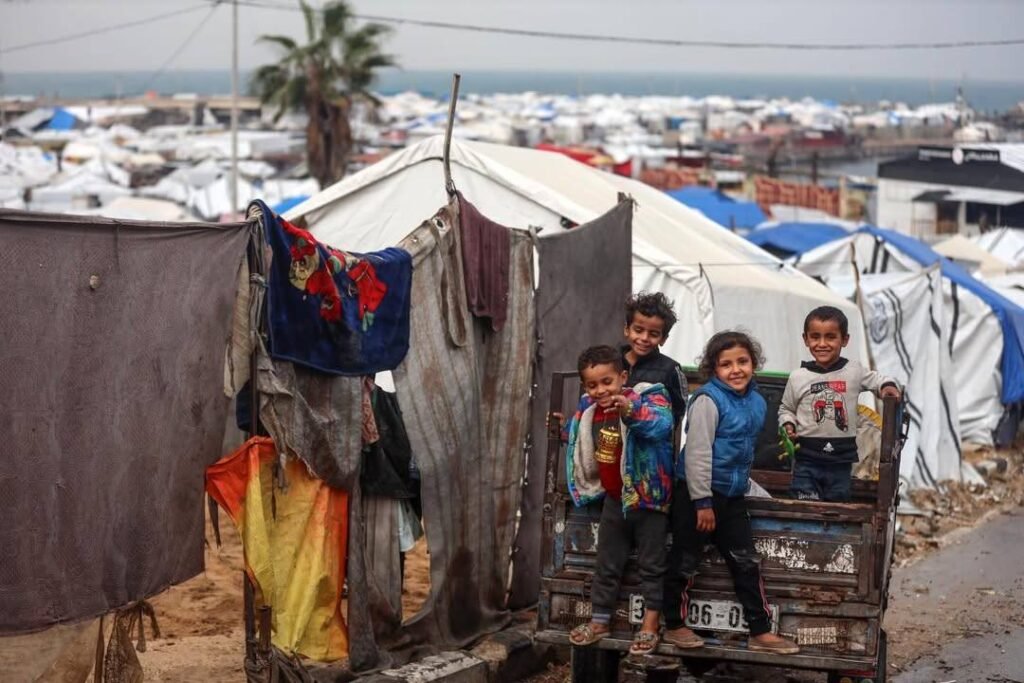
Gaza Herald_ As Ramadan approaches, a month traditionally associated with mercy, solidarity, and compassion, Gaza stands overwhelmed by devastation and uncertainty. Among ruined neighborhoods, collapsed homes, torn tents, overcrowded shelters, and families forced into displacement, painful questions dominate daily life. Will this suffering ever end? Where is the Arab and Islamic responsibility? Where is the international community? And where is humanity itself?
Months after the announcement of a ceasefire that failed to bring a full end to the violence, Gaza’s humanitarian reality remains unforgiving. Destruction continues to define everyday existence, and the promise of calm has not translated into safety, dignity, or stability for civilians.
A Daily Struggle for Survival
Gaza’s residents are enduring acute shortages of basic services alongside deepening poverty, unemployment, and widespread psychological and physical distress. Reconstruction efforts remain slow and fragmented, while humanitarian assistance is weak and inconsistent, leaving most people trapped in a state of survival rather than experiencing genuine recovery.
Economic life has nearly collapsed. Countless families have lost their sources of income, unemployment has soared, and poverty has become widespread. With job opportunities scarce and rebuilding stalled, dependence on humanitarian aid has become the norm, yet this aid is neither sufficient nor reliable enough to meet basic needs.
The health sector reflects the same crisis. Since the start of the war, Gaza’s medical system has been crippled by shortages of medicines, equipment, and qualified staff. Hospitals and clinics, many of them damaged, are operating beyond their capacity with limited resources. Patients with chronic illnesses, the wounded, and vulnerable groups are often unable to access proper treatment. Malnutrition, polluted water, and harsh living conditions continue to worsen health outcomes, raising the risk of disease outbreaks.
During periods of harsh weather, conditions deteriorate further. Flooded tents, collapsing, damaged homes, and freezing temperatures have claimed lives, particularly among children and the elderly. Daily life unfolds in mud, dampness, and insecurity, with limited access to services due to destroyed infrastructure and damaged roads.
Ceasefire Without Safety
This grim humanitarian reality exists alongside a ceasefire that remains fragile and incomplete. The security situation is tense and unstable, marked by repeated violations that directly impact civilians. Local reports document hundreds of breaches since the ceasefire came into effect, including air and artillery attacks, gunfire, and military incursions, resulting in numerous injuries and deaths.
At the same time, severe restrictions persist at border crossings. Limits on the movement of goods, aid, and people, along with the continued ban on caravans, reconstruction materials, and essential supplies, openly contradict the ceasefire terms. These measures allow Israel to maintain control over every aspect of life in Gaza, from food and medicine to shelter and fuel.
Data from Gaza-based sources indicate that crossings were closed for the majority of the year, blocking tens of thousands of aid trucks. Fuel deliveries fell dramatically short of agreed needs, further crippling hospitals, water systems, and basic services. These policies have effectively turned the crossings into tools of pressure rather than channels for relief.
Beyond Emergency Aid Toward Real Recovery
Gaza’s needs now go far beyond temporary relief. What is required is a comprehensive and responsible approach that protects lives, restores dignity, and lays the groundwork for genuine recovery. This must begin with ensuring consistent and sufficient flows of food, medical supplies, fuel, and water through fully opened crossings, prioritizing the most vulnerable segments of society.
Civilian protection is equally essential, through monitoring violations, enforcing respect for international humanitarian law, and rejecting the use of siege and deprivation as instruments of control. Reviving the health sector requires rehabilitating hospitals, supplying medicines and equipment, and ensuring treatment for the wounded and chronically ill, whether inside Gaza or through facilitated medical travel.
Education must also be safeguarded to prevent the loss of an entire generation. This includes rebuilding schools, creating safe learning environments, and providing psychological support for students traumatized by war. In parallel, Gaza must transition from aid dependency to recovery by rebuilding infrastructure, creating jobs, and restoring livelihoods, allowing families to regain a measure of self-reliance.
From Rhetoric to Responsibility
At the Arab and Islamic levels, solidarity can no longer remain confined to statements and seasonal gestures. The scale of Gaza’s catastrophe demands sustained, practical engagement that matches the severity of the crisis. This means shifting from reaction to action and from symbolic support to a real humanitarian partnership that upholds the right to life, dignity, and a future.
Within this context, proposals have emerged for the establishment of a humanitarian coordination council involving Turkey, Egypt, and Jordan, with the participation of supportive Arab and Islamic states. Such a body could unify efforts, coordinate aid mechanisms, and apply collective pressure to transform Gaza’s crossings into genuine humanitarian corridors and, ultimately, stable commercial gateways that support resilience and economic recovery.
As Ramadan approaches, Gaza remains suspended between endurance and despair. Without decisive international and regional action, the month of mercy risks unfolding amid continued deprivation, loss, and unanswered cries for justice.