Gaza Herald — An Israeli report has revealed a significant rise in academic boycotts targeting Israeli researchers and institutions, even after the Gaza war formally ended. The findings, prepared by the Academic Boycott of Israel Monitoring Team, established by the Committee of University Presidents in Tel Aviv, indicate that Israel’s deteriorating reputation in Europe is now so deeply rooted that political efforts alone cannot repair public perception.
According to the team’s analysis, published by The Marker, the economic edition of Haaretz, pressure has not eased with the conclusion of hostilities. Instead, the situation has intensified, with a marked increase in boycott-related cases reported by universities and individual scholars across Europe. The report warns that the widening scope of academic boycotts threatens to push Israel’s higher education system into a dangerous state of isolation, posing what it described as a “strategic threat” to its international status.
Even Israeli government officials have begun acknowledging this shift. In mid-September, Prime Minister Benjamin Netanyahu admitted that Israel had entered “a kind of isolation,” emphasizing that the country must prepare for a more self-reliant economic future.
The report highlights a dramatic expansion in institutional boycotts, noting that by November, one thousand European universities had severed academic cooperation with Israeli counterparts. It also documents a growing number of European academics refusing to collaborate with Israeli colleagues, further deepening the divide.
In 2025, Israeli researchers experienced a significant drop in funding from Horizon Europe, the EU’s primary research program and a vital source of scientific financing for Israeli academia. This decline is directly linked to the exclusion of Israeli scholars from international research consortia applying for Horizon grants. The team found that 57 percent of boycott cases affected individual researchers, primarily through exclusion from research groups and academic partnerships.
Meanwhile, 22 percent involved institutional boycotts between universities, 7 percent stemmed from professional associations imposing restrictions, and 14 percent were tied to the suspension of international educational programs, including student exchanges and postdoctoral placements.
The report concludes that the trend is likely to intensify, warning that the academic boycott movement will continue to shadow Israeli universities “for a long time” and will not ease without major regional or geopolitical change.
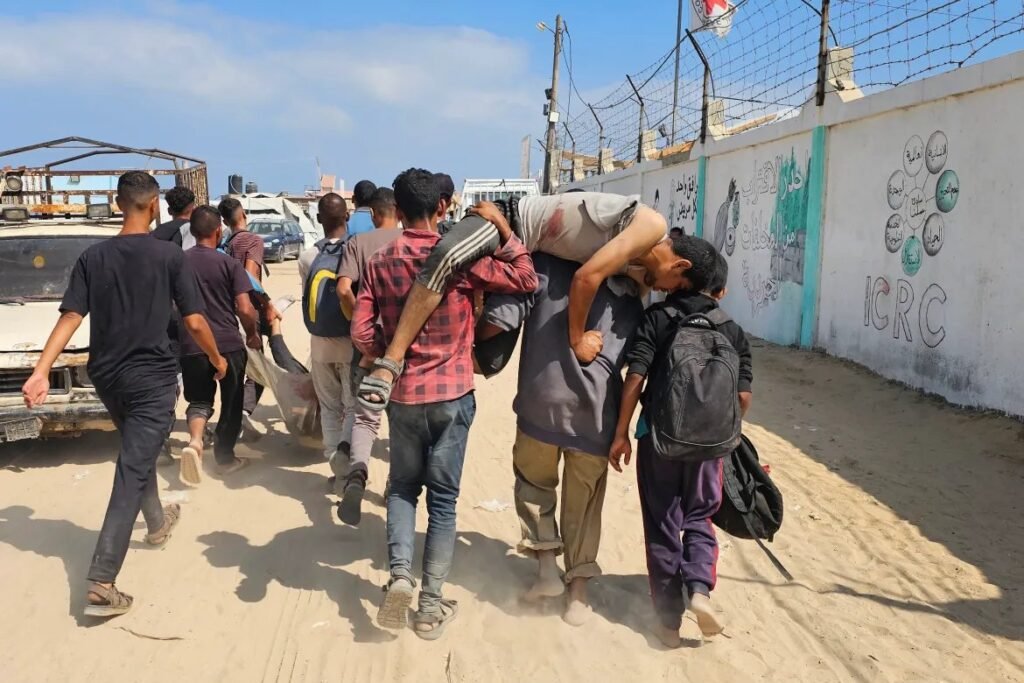
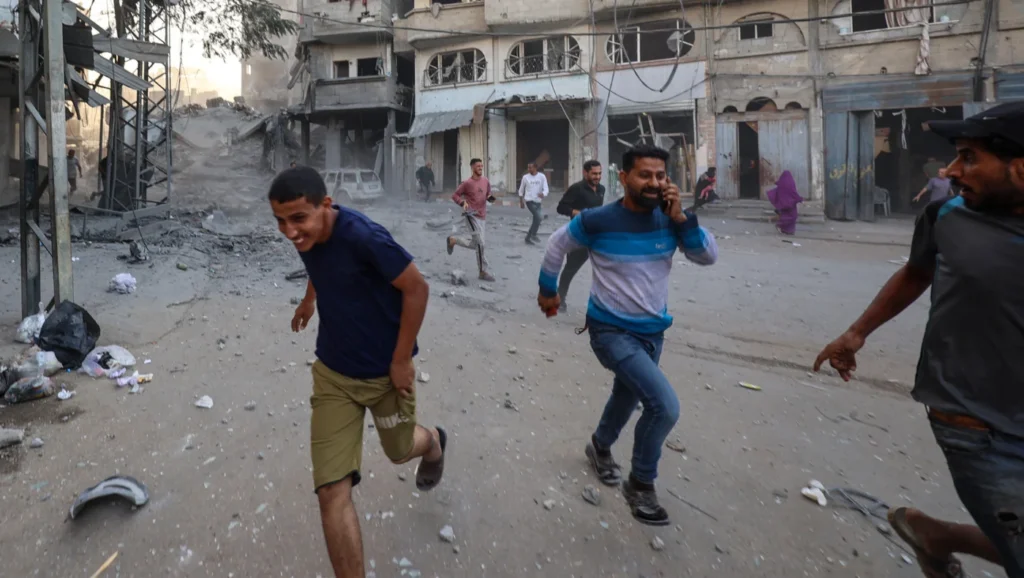
Since October 2023, Israeli military operations have killed nearly seventy thousand Palestinians in Gaza, most of them women and children, and injured more than one hundred seventy thousand, in a two-year campaign that has reduced much of the enclave to ruins. This devastating reality, the report suggests, continues to shape global academic opinion, fueling a widening moral and scientific reckoning that Israel has so far been unable to reverse.