Gaza Herald_ Israeli bombardment has continued across the Gaza Strip just hours after mediators announced that a ceasefire agreement had been reached to end the two-year war that has devastated the besieged enclave.
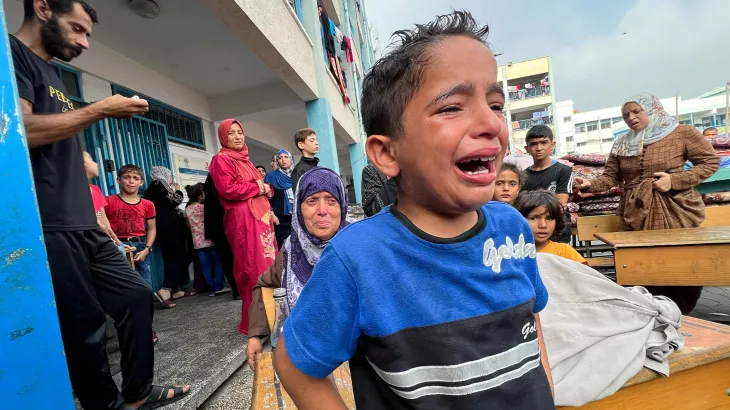
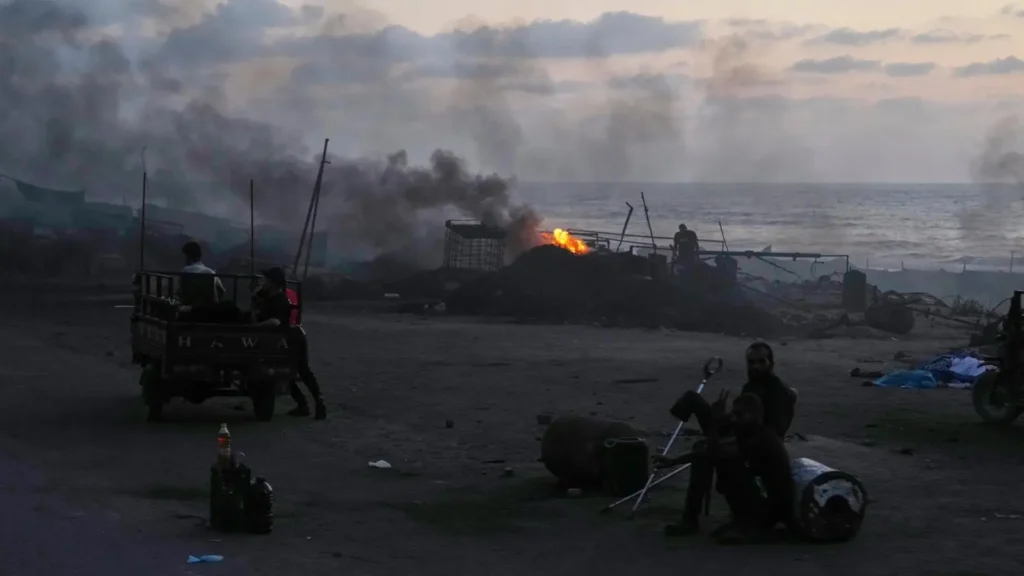
Overnight, heavy airstrikes and artillery shelling struck Gaza City and Khan Younis, according to local media and civil defense reports. Residents described scenes of panic as Israeli quadcopters dropped small bombs on civilian areas, killing at least one person and injuring several others.
The renewed assault came despite an early Thursday announcement by mediators from the United States, Qatar, and Egypt that Israel and Hamas had reached a deal “to end the war.” According to Qatar’s Foreign Ministry spokesperson, Majed al-Ansari, the first phase of the agreement would include “ending hostilities, releasing captives on both sides, and allowing the unrestricted entry of humanitarian aid.”
In a statement, Hamas confirmed the deal’s core principles an end to the war, full withdrawal of Israeli forces, and the start of a large-scale prisoner exchange — but warned that “trust will depend on Israel’s behavior on the ground.”
Israeli Prime Minister Benjamin Netanyahu, posting on X, hailed the deal as “a great day for Israel,” thanking US President Donald Trump and his administration for their “tireless efforts.” Netanyahu said he would convene his government to approve the agreement and “bring the hostages home.”
Media reports suggest that the ceasefire could take effect by noon Thursday, with Hamas expected to release 20 living captives in exchange for 2,000 Palestinian prisoners. Israeli troops are to begin a phased withdrawal from Gaza as part of the first stage, though the precise lines of retreat remain unclear.
The agreement also includes the immediate entry of 400 aid trucks per day, a long-awaited relief for Gaza’s starving population, with numbers expected to increase in the coming days.
However, many in Gaza remain unconvinced that the ceasefire marks the true end of Israel’s war. After two years of unrelenting destruction, more than 67,000 Palestinians have been killed, over 80 percent of them civilians, according to leaked Israeli military data. At least 169,000 have been wounded, thousands more remain missing under the rubble, and the Strip itself has been reduced to ruins.
Israel’s bombing campaign has turned neighborhoods, hospitals, schools, mosques, and churches into rubble, while its blockade has deliberately starved the population. UN experts and international human rights organizations have classified Israel’s actions as genocide, citing systematic attacks on civilians, obstruction of aid, and the targeting of vital infrastructure.
The war began on October 7, 2023, when Hamas launched a surprise cross-border attack, citing decades of Israeli occupation, the suffocating blockade, and repeated assaults on Al-Aqsa Mosque. Israel’s initial military collapse in the south gave way to a campaign of overwhelming vengeance, one that would engulf Gaza in the deadliest war of the 21st century.
Now, as Israel claims victory and prepares for what Trump has called his “Middle East peace plan,” Palestinians in Gaza are left questioning what “peace” truly means after two years of fire, famine, and loss.
In the words of one displaced resident in Deir al-Balah: “We’ve heard the word ‘ceasefire’ too many times. What we need is an end, not another pause before the next massacre.”
The persistence of Israeli strikes after the ceasefire announcement underscores the fragility of any agreement reached under American pressure. While political leaders speak of progress and diplomacy, Gaza’s reality remains unchanged, a landscape of ruins and unburied grief. Whether this truce signals the beginning of genuine peace or merely a tactical pause in a long war will soon become clear, but Gazans have learned to expect little from promises made abroad.