Gaza Herald- A recent poll by aChord, a research group affiliated with Hebrew University specializing in social psychology, has revealed a striking consensus among Israeli Jews: a significant majority believe there are “no innocents” in the Gaza Strip. According to the poll, 76 percent of Jewish respondents partially or fully agreed with the statement, signaling a public mindset that experts say may help justify civilian casualties in Gaza.
Even among Israeli opposition voters, the sentiment remains high, with 47 percent fully supporting the claim, while a majority of Jewish opposition voters also agreed. Ron Gerlitz, a researcher involved in the study, described the findings as “difficult” but illuminating, highlighting the role of public perception in enabling ongoing violence. In a statement on X (formerly Twitter), Gerlitz clarified that agreeing with the statement does not equate to advocating for the indiscriminate killing of all Palestinians. He wrote, however, that the widespread belief that “there are no innocents” constitutes “toxic soil” for the dynamics and actions that result in civilian deaths.
Rising Anti-Palestinian Sentiment and Racist Violence
The survey also underscores a broader surge in anti-Palestinian and anti-Arab sentiment across Israel. Palestinians, both in the occupied territories and within Israel, have increasingly faced hostile rhetoric, attacks, and systemic discrimination. Last week, for instance, a Palestinian bus driver in Petah Tikva, central Israel, was violently assaulted by a group of Jewish youths who shouted “death to Arabs” during the attack.
Footage circulated online shows one of the attackers smashing a bus windshield with an emergency hammer near a woman holding a baby and subsequently destroying one of the bus doors. The driver, Mohammed Abd al-Hadi, told Israeli news outlet Ynet that the assault occurred after he asked the young passengers to stop screaming and vandalizing the vehicle. The attackers reportedly shouted racist slurs, including “Jew, good; Arab son of a bitch” and “death to Arabs.”
This incident is part of a wider pattern. In May, supporters of Beitar Jerusalem, a football club closely linked to Israel’s far-right, attacked two Palestinian drivers in Jerusalem following the team’s loss in the national championship final. One driver, Ahmad Kara’in, sustained serious injuries and required medical attention after being assaulted by approximately 150 fans, who also used pepper spray and punctured his vehicle’s tires while shouting anti-Arab slogans.
The Abraham Initiatives, an organization promoting equality for Palestinian citizens of Israel, told Middle East Eye that such attacks are “not exceptional,” but reflect “a dangerous wave of violence and racism against Arab citizens of Israel.” The group further argued that the violence is fueled by ongoing incitement, systemic discrimination, and government inaction, which together create an environment where individuals feel empowered to commit attacks against people solely based on their ethnic identity.
Implications for Israeli Public Opinion and Policy
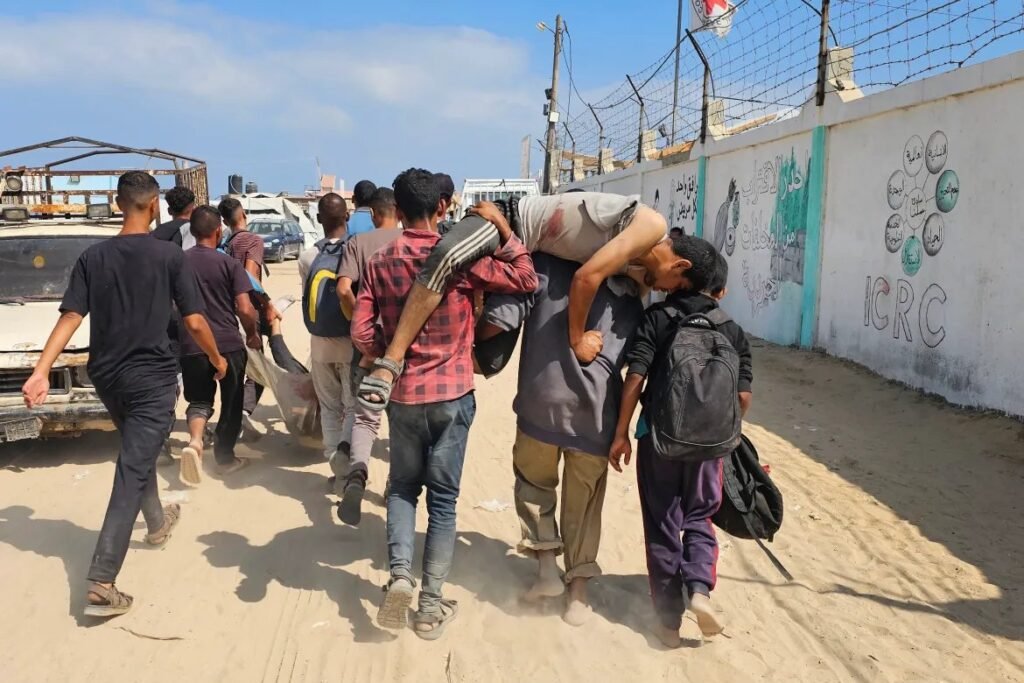
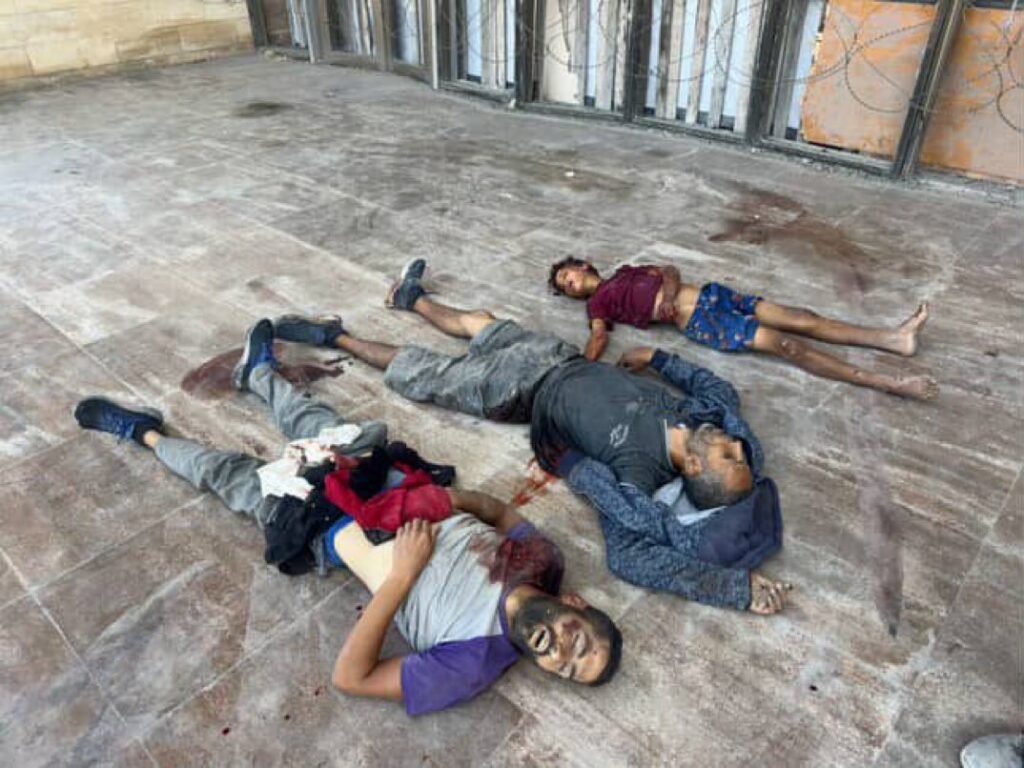
Experts analyzing the poll suggest that the normalization of dehumanizing rhetoric against Palestinians plays a critical role in shaping Israeli public opinion regarding Gaza. The widespread belief that there are “no innocents” may help explain the high tolerance within Israeli society for military operations that have resulted in massive civilian casualties. Since the war escalated in October 2023, over 62,000 Palestinians have been killed and more than 150,000 wounded, with hospitals, schools, and other civilian infrastructure frequently coming under attack.
While the Israeli government and military often present strikes as targeted operations against combatants, research and eyewitness accounts frequently indicate that civilians are disproportionately affected. Gerlitz emphasized that public attitudes like those reflected in the aChord survey create the psychological and social conditions in which civilian deaths are either rationalized or ignored, further entrenching cycles of violence.
Broader Social Consequences
Beyond the immediate human cost in Gaza, the growing anti-Palestinian sentiment within Israel also manifests domestically, affecting the daily lives of Palestinian citizens of Israel. Attacks on Palestinian individuals and communities are increasingly common, from physical assaults to vandalism and intimidation. These acts of violence reinforce a climate of fear and marginalization, as seen in both the Petah Tikva and Jerusalem bus attacks.
Human rights organizations warn that without significant governmental intervention, this rising hostility could escalate further, eroding civil protections and normalizing discriminatory attitudes toward Palestinians both within Israel and in the occupied territories. The Abraham Initiatives argue that addressing incitement and promoting accountability is essential to curbing both racist attacks and public support for military policies that disproportionately harm Palestinian civilians.