Gaza Herald- Despite Israel’s announcement of daily “tactical pauses” in military operations across parts of Gaza, the onslaught against Palestinian civilians continues unabated.
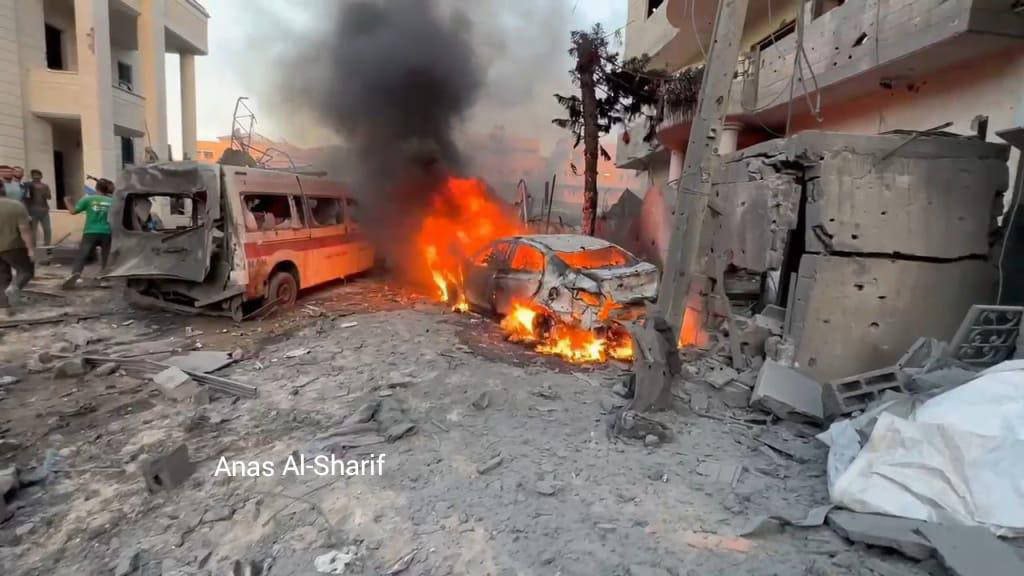
At least 53 Palestinians were killed on Sunday in Israeli air and ground attacks, exposing what critics call the hollow nature of these so-called humanitarian pauses.
The Israeli army declared that it would begin daily “tactical pauses” in fighting from 10 a.m. to 8 p.m. (07:00–17:00 GMT) in select areas, including al-Mawasi, Deir el-Balah, and parts of Gaza City, allegedly to facilitate the delivery of humanitarian aid. The announcement was made amid growing international pressure over the humanitarian catastrophe in the besieged enclave.
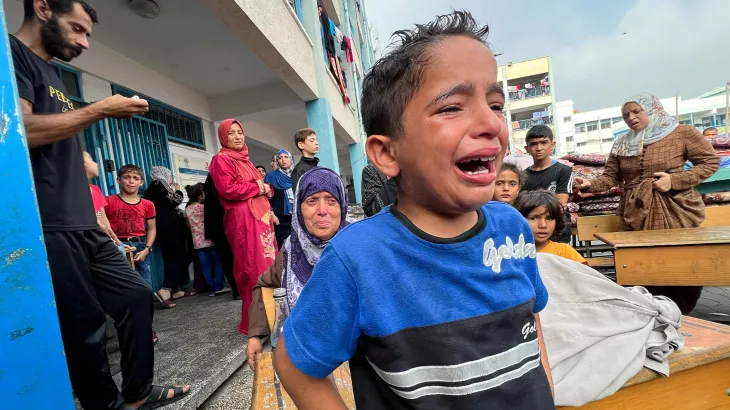
However, eyewitnesses and local medical teams report that Israeli attacks have continued both within and around these designated zones. In multiple incidents, artillery shelling and airstrikes struck residential areas and makeshift shelters, killing scores and wounding dozens more.
Among the dead were children and women sheltering in what they believed were “safe zones.” The Health Ministry in Gaza confirmed that six additional civilians, including at least two infants, died of starvation on Sunday, bringing the total number of starvation-related deaths this week to 21.
Psychological Warfare
Local sources described the “pauses” as a form of psychological warfare. “What kind of humanitarian pause is this if the bombs never stop?” said Dr. Ayman Abu Daqqa, a physician in central Gaza. “People stepped out thinking they could find food or aid, and instead walked into ambushes of fire.”
The Israeli military has made no indication that operations will cease entirely, stating that its pauses are “tactical and conditional”, a term human rights observers say effectively grants the army freedom to continue operations at will while evading international accountability.
International organizations have condemned the lack of safe corridors and accused Israel of using aid as leverage. The United Nations has reiterated that humanitarian assistance must be unconditional and protected under international law. “Aid must not be weaponized,” said Martin Griffiths, UN Under-Secretary-General for Humanitarian Affairs. “Palestinians cannot be expected to walk through minefields for a bottle of water.”
Since the beginning of the war on October 7, 2023, more than 54,000 Palestinians have been killed and over 124,000 wounded. The vast majority are women and children. Gaza’s healthcare system is in total collapse, and over 1.5 million people are now displaced, many surviving without adequate food, water, or shelter.
As Israel continues to market its temporary pauses as proof of humanitarian concern, the death toll tells another story, one of ongoing, deliberate devastation, where civilians are trapped in a zone of fire, with nowhere safe to go.