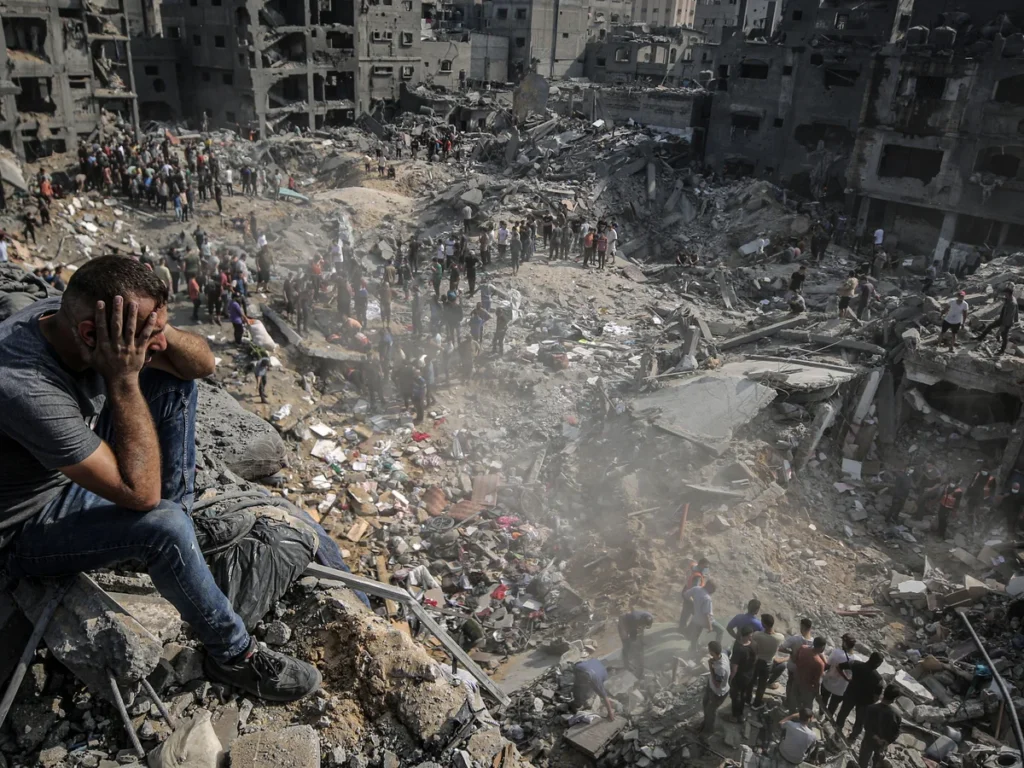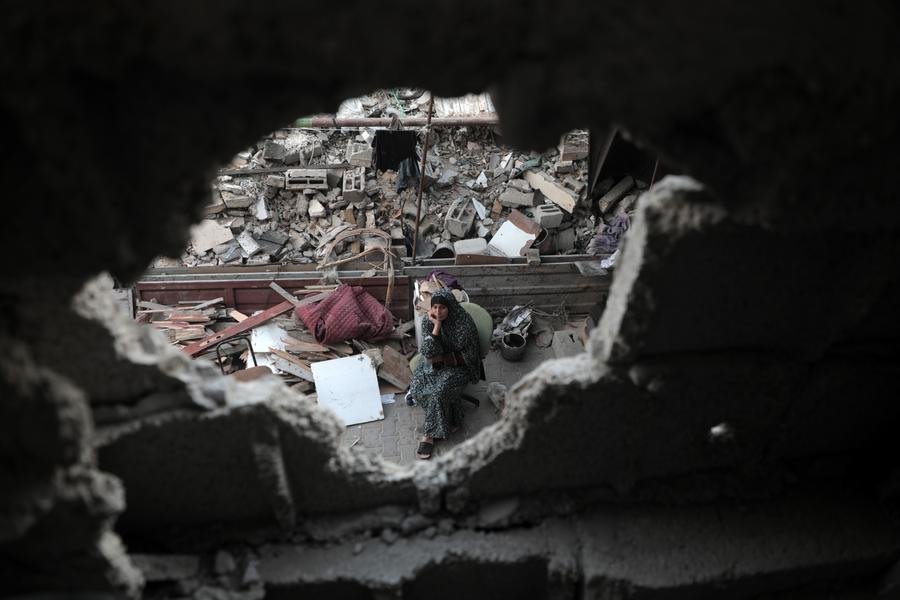
Gaza Herald – In Gaza, daily life is increasingly defined by prolonged power shortages that are dismantling livelihoods, disrupting essential services, and pushing both businesses and healthcare systems to the brink of collapse. Amid ongoing restrictions on fuel and electricity supplies, residents describe a situation of near-total paralysis affecting every aspect of survival.
Since the escalation of hostilities in 2023 and the severing of external power lines, Gaza has faced chronic electricity failure. The territory’s sole power plant ceased attacks in October 2023 after fuel shortages, leaving the population dependent on limited solar systems and expensive private generators that cannot meet demand.
For many small business owners, the crisis has become financially devastating. In Gaza City, bakeries, workshops, and home-based businesses report repeated losses due to sudden blackouts. One local baker described how dozens of prepared cakes were ruined after an unexpected power cut caused oven failure, forcing her to refund customers and absorb the cost of wasted materials.
Business owners say unstable generator systems and fuel scarcity have made production unpredictable, often halting operations for days at a time. This instability has led to rising financial losses, loss of clients, and inability to pay workers who themselves support families in extreme poverty.
The electricity crisis is most severe in the health sector. Hospitals, already weakened by damage to infrastructure and shortages of medicines and equipment, rely almost entirely on generators to keep critical units operational. However, repeated mechanical failures and lack of spare parts have severely compromised their functioning.
Medical officials report that intensive care units, neonatal incubators, and dialysis centres are among the most affected departments, where even brief interruptions can endanger patients’ lives. Fluctuating electrical currents have also damaged sensitive medical equipment, further reducing hospital capacity.
Hundreds of patients requiring scheduled surgeries face indefinite delays as hospitals prioritize only emergency cases. Health administrators warn that without stable electricity and backup systems, essential medical services risk complete breakdown.
Energy sector representatives in Gaza have issued repeated warnings about the depletion of fuel, mineral oils, and spare parts needed to maintain generators. They estimate that a significant portion of existing generators have already failed due to lack of maintenance resources, with more expected to shut down.
Some generator operators have resorted to using alternative fuels such as industrial diesel or cooking oil, accelerating engine damage and increasing long-term costs. Reports indicate sharp price increases in essential maintenance materials, making repairs increasingly unaffordable.
The crisis has also affected transportation. A large proportion of Gaza’s vehicles have been destroyed or rendered inoperable, leaving ambulances, water trucks, and delivery vehicles struggling to function. Shortages of spare parts, tyres, and oils are further accelerating system-wide breakdown.
Transport officials warn that continued restrictions could result in the complete collapse of remaining transport services, directly affecting emergency response, food distribution, and access to basic necessities.
For ordinary residents, the consequences are immediate and severe. Many rely on small charging stations for basic electricity, while others walk long distances due to reduced transportation options. Access to water, food preservation, and communication has become increasingly difficult.
Business owners attempting to rebuild after temporary ceasefires report that investments in equipment and repairs are repeatedly lost due to continued power instability. Even after reopening, many small enterprises struggle to sustain operations for more than a few days at a time.
Across Gaza, the electricity crisis has evolved into a broader humanitarian emergency, affecting health, commerce, transport, and household survival simultaneously. Observers describe the situation not as a temporary outage, but as a structural collapse of essential systems that sustain daily life.