Gaza Herald – Gaza’s healthcare system is facing a severe and escalating oxygen supply crisis, driven by the widespread destruction of production facilities and continued restrictions on the entry of spare parts needed for maintenance. This situation poses a direct threat to the lives of thousands of patients, particularly those in intensive care units and neonatal wards.
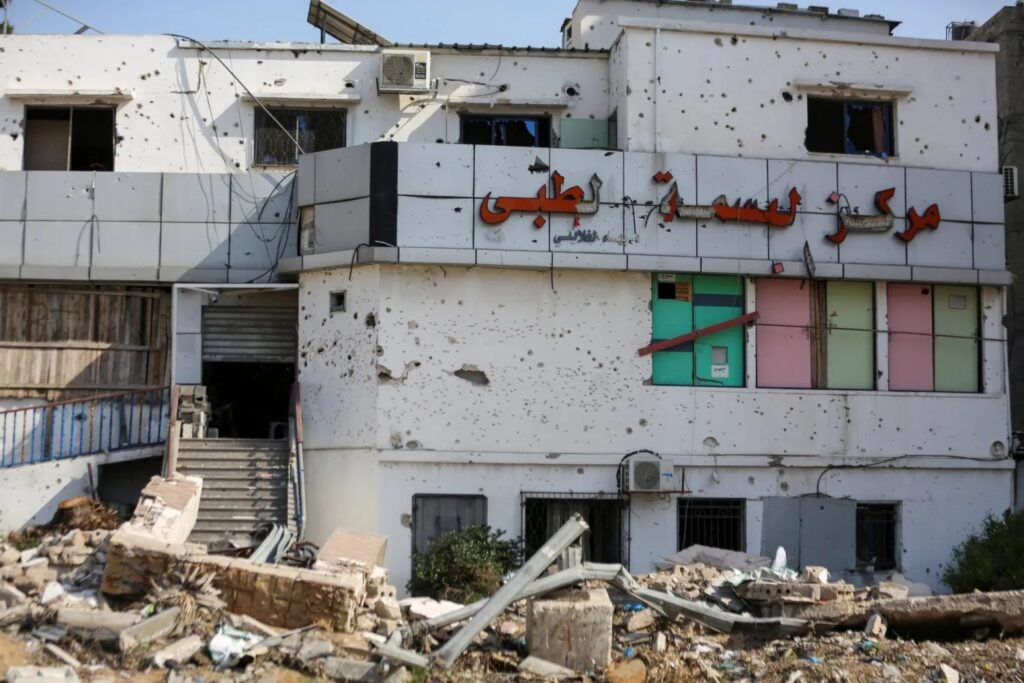
The scale of deterioration is evident at the main oxygen station in northern Gaza, which has been kept operational by assembling components from other stations destroyed since the beginning of the genocide in an effort to maintain minimal life-saving supplies.
According to Gaza’s Ministry of Health, the territory had 34 oxygen stations before the war. However, 22 have been destroyed, leaving only 12 functioning at limited capacity, while the number of patients in need of oxygen continues to rise.
Medical sources warn that these remaining stations are at risk of shutting down at any moment due to repeated malfunctions and the ongoing ban on importing essential maintenance equipment. Such a scenario would leave hospitals unable to meet critical demand.
The central oxygen station at Al-Shifa Medical Complex is among the most vulnerable, facing recurring technical failures amid strict restrictions on the entry of spare parts.
Mazen Al-Araysha, director of the Ministry of Health’s maintenance department, stated that key components of the healthcare system, including oxygen stations, have been systematically targeted. He described these facilities as the lifeline for vital hospital departments such as operating rooms, intensive care units, and for patients suffering from respiratory diseases and cancer.
He emphasized that preventing the entry of spare parts, even those required for routine maintenance, poses a direct threat to the continued attacks of these stations, warning of an imminent humanitarian catastrophe, especially for patients who depend on oxygen to survive.
Al-Araysha added that a single station can serve around 150 patients who rely on oxygen cylinder refills at home, stressing that any disruption in supply could be fatal in the absence of alternatives.
The Ministry of Health has contacted multiple international parties, including the World Health Organization, in an effort to facilitate the entry of spare parts currently stored in the occupied West Bank and already funded. However, their entry remains pending Israeli approval.
Efforts to procure new oxygen stations through international organizations have also stalled due to restrictions on their entry, despite the urgent need to replace the overburdened and deteriorating existing facilities.
Amid these conditions, fears are mounting over a total collapse of oxygen supplies in Gaza, which would have devastating consequences for patients and the already strained healthcare system.